8 Trail Safety Habits That Help Outdoor Travelers Feel More Prepared Before a Hike
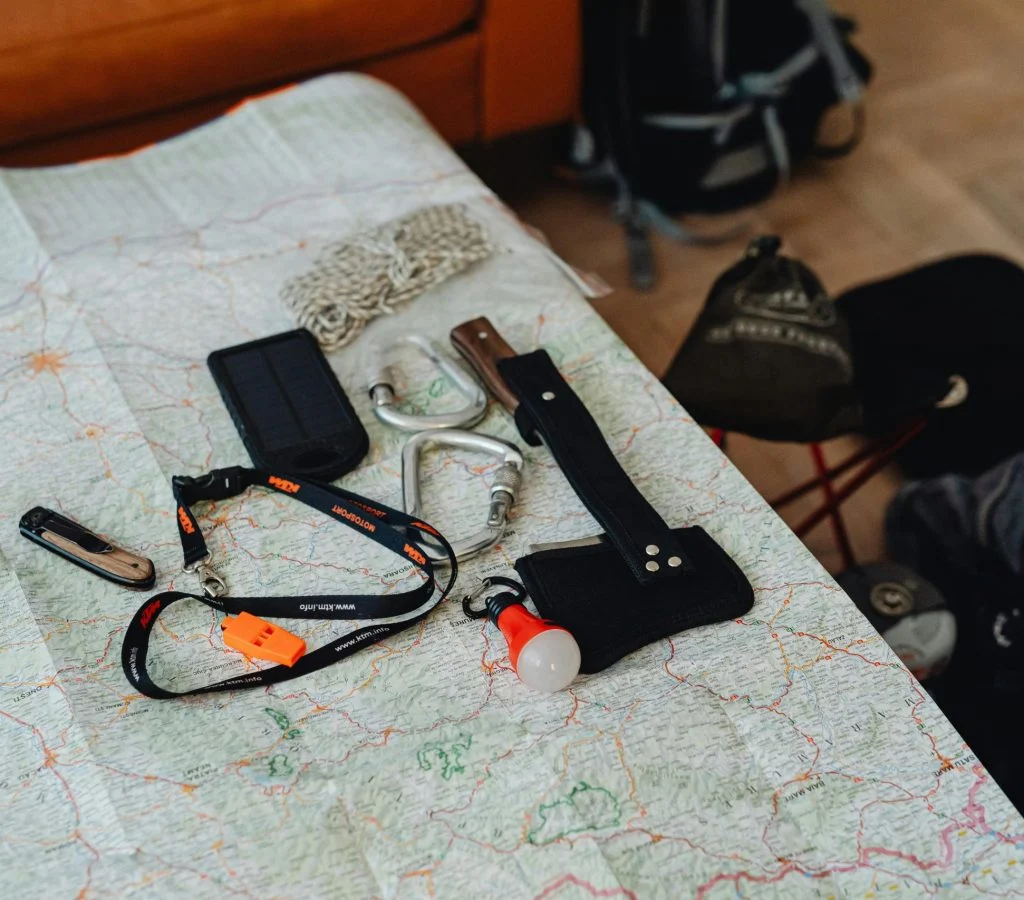
Good trail safety habits can make an outdoor trip feel calmer before the hike even begins. Many trail problems do not start with a dramatic mistake. They often start with smaller gaps in planning, such as weak weather checks, no turn-around time, or missing emergency basics. The National Park Service says the best way to have a fun and safe hiking adventure is to plan ahead, while NOAA warns that outdoor activities can become dangerous because of weather hazards.
1. Start every hike with a real trip plan
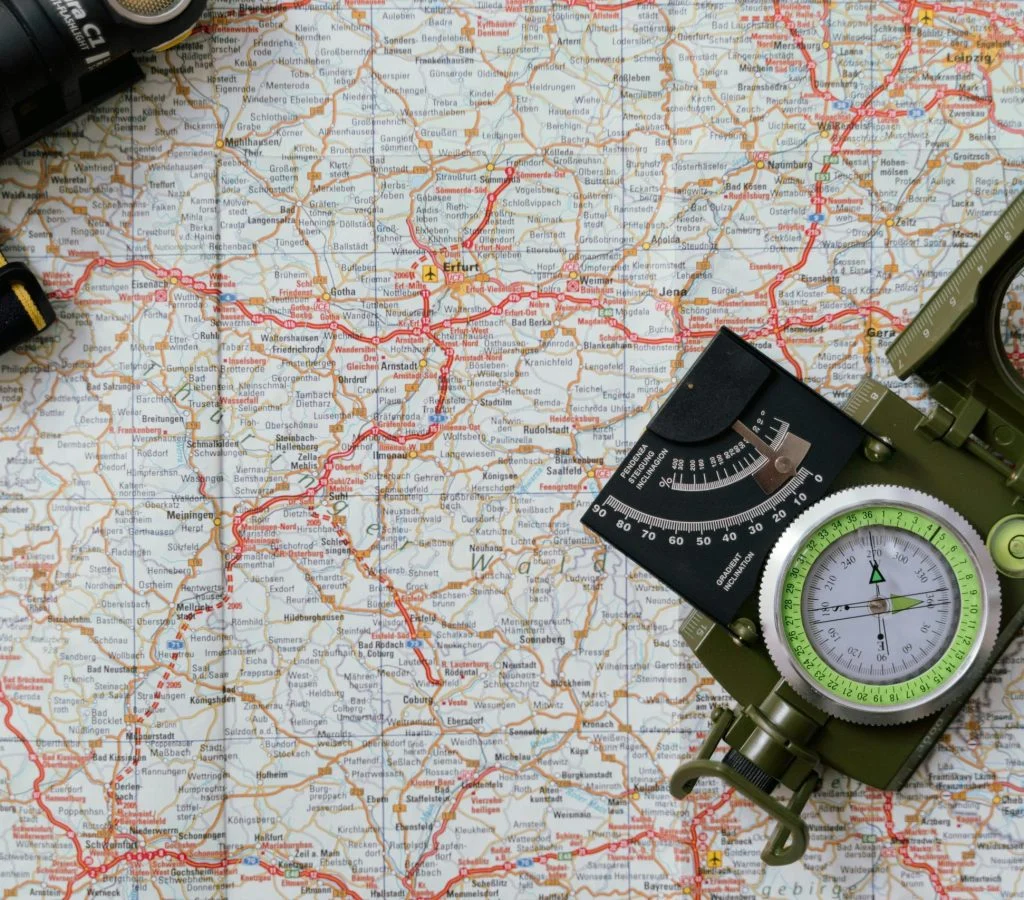
One of the most useful trail safety habits is making a real trip plan before leaving home. The National Park Service trip planning guide says visitors should fill out a trip plan template, practice an outdoor emergency plan, and review the 10 Essentials before heading out.
This matters because a route usually feels safer when the important decisions are made early. Distance, return timing, emergency thinking, and backup options are easier to manage before the trailhead than in the middle of the hike.
2. Check the weather more than once
Another strong trail habit is checking the forecast twice instead of once. NOAA says hikers should schedule day hikes to avoid times when thunderstorms are possible, which typically form in the late afternoon. It also warns that there are no safe places outdoors during a lightning storm.
A weather check the evening before can shape the plan, while a second check on the day of the hike can confirm whether the route still makes sense. This often gives hikers more time to shorten the trip, start earlier, or switch plans completely.
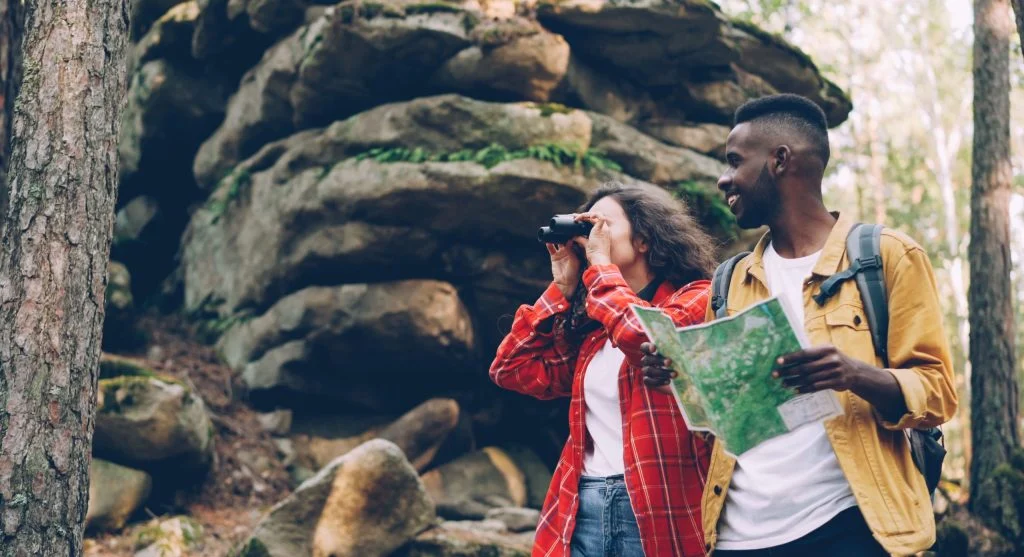
Credit: Tima Miroshnichenko / Pexels
3. Carry the Ten Essentials every time
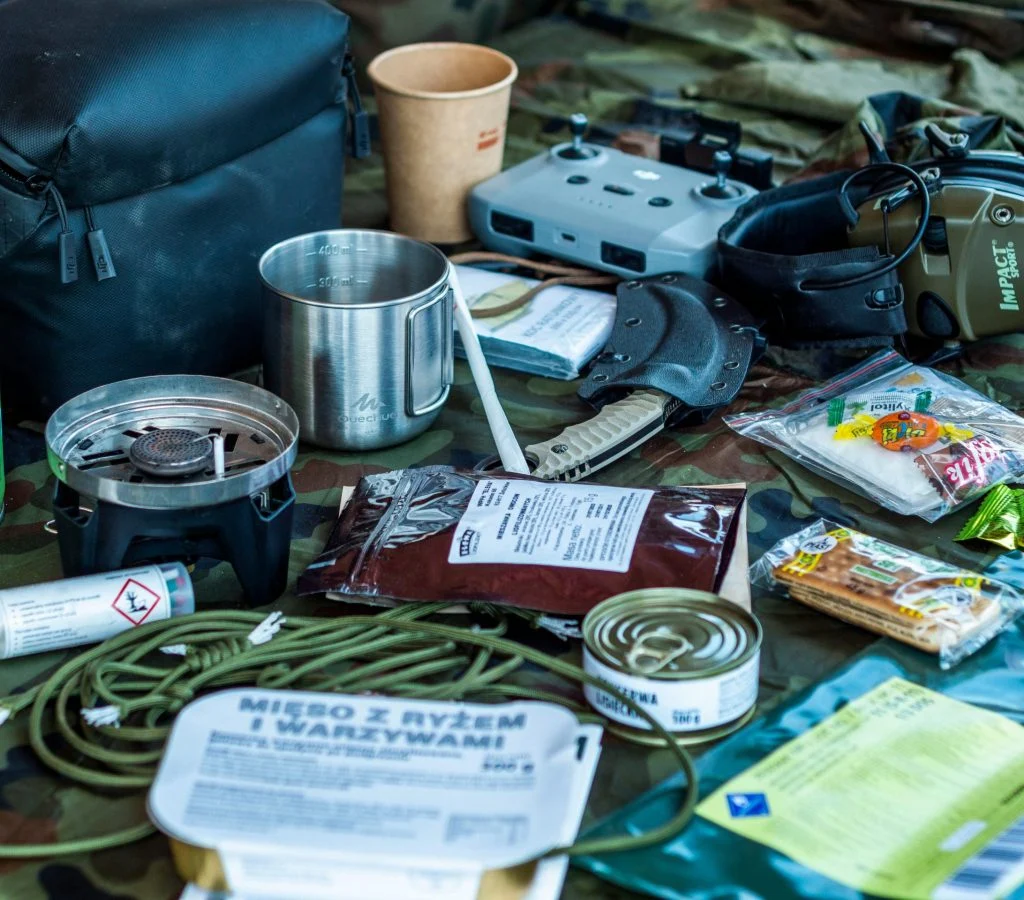
The National Park Service says the 10 Essentials are a collection of first-aid and emergency items that can help with minor injuries, sudden weather changes, or unexpected delays, and it says hikers should carry them even on short sightseeing hikes. Leave No Trace also says travelers should pack the 10 Essentials for comfort, safety, and Leave No Trace qualities.
This makes essential gear part of a routine, not a special-case decision. Hikers usually feel more prepared when the basics are always packed instead of debated each trip.
4. Set a turn-around time before the hike begins
One of the simplest and strongest outdoor habits is deciding the turn-around time before the trail starts. The National Park Service says hikers should keep track of time and distance, remember that total hike time includes both the way out and the return, and set a turn-around time if the trip is taking longer than planned so they do not get stuck outside in the dark.
This works well because it removes one of the hardest decisions from the most tiring part of the day. A clear rule often leads to calmer choices later.
5. Let the slowest hiker shape the pace
The National Park Service says hikers should let the slowest hiker set the pace, keep the group together, and take breaks often. It also notes that if a hiker can talk while walking, the pace is about right. This matters because strong pacing is part of trail safety too. A group that starts too fast often becomes more tired, more spread out, and less able to make good decisions later in the day.
6. Tell someone the route before leaving
Mount Rainier National Park says hikers should always tell someone their travel plans so that person can notify the park if they fail to return. Death Valley’s safety guidance also says visitors should write down their planned itinerary, designate an emergency contact, and be clear about when they expect to be back in touch.
This is one of the simplest trail safety habits because it takes very little effort but creates a strong backup if the hike takes longer than expected.
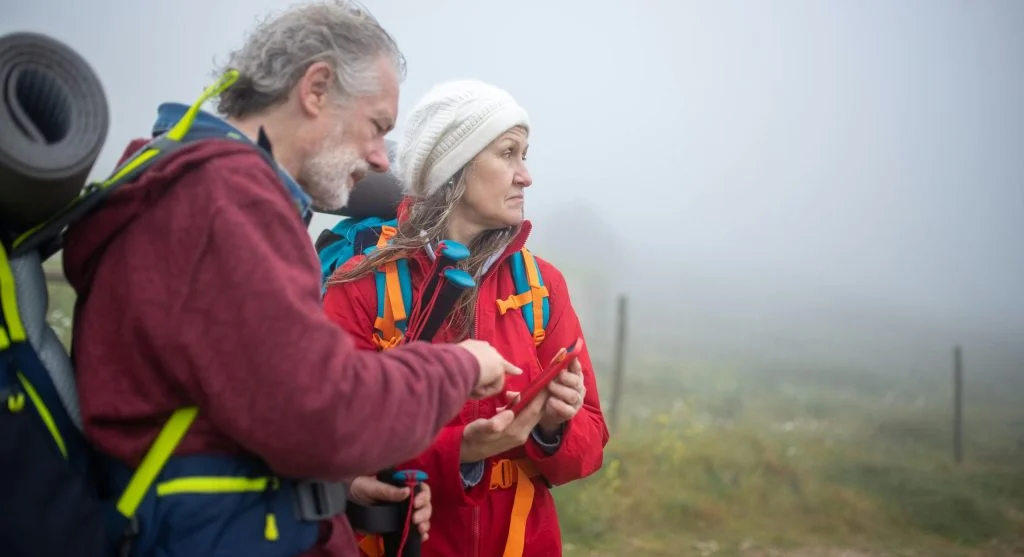
Credit: SHOX ART / Pexels
7. Expect change instead of planning for a perfect day
Leave No Trace says being well-prepared supports outdoor ethics and that when travelers choose reliable gear and expect change, they reduce the chances of shortcuts, trail widening, and other avoidable problems.
This is useful because a better trail day is rarely about everything going perfectly. It is usually about having enough backup thinking to stay calm when conditions shift a little.
8. Review the trip after you return
Leave No Trace says travelers should evaluate their trip upon return and note changes they will make next time.
This habit often improves hiking more than people expect. A short review of pace, gear, route choice, and weather decisions can make the next outdoor day safer and more organized.
Frequently Asked Questions
Q: What are the most useful trail safety habits?
A: The most useful trail safety habits include making a trip plan, checking weather more than once, carrying the Ten Essentials, setting a turn-around time, and sharing the route with one trusted person.
Q: Do hikers really need the Ten Essentials on short hikes?
A: Yes. The National Park Service says hikers should carry the Ten Essentials even on short sightseeing hikes because they help with minor injuries, sudden weather changes, and unexpected delays.
Q: Why is weather such a big part of hiking safety?
A: NOAA says outdoor activities can become dangerous because of weather hazards, and it warns that there are no safe places outdoors during a lightning storm.
Q: Why should hikers review the trip after coming back?
A: Leave No Trace says travelers should evaluate the trip upon return and note changes they will make next time.
Key Takeaway
Strong trail safety habits help outdoor travelers feel more prepared by turning route planning, weather checks, the Ten Essentials, and backup thinking into a repeatable routine. Official guidance supports planning ahead, respecting the weather, and sharing the route before leaving. A safer hike usually starts long before the first step on the trail.











Post Comment