8 Public-Space Habits That Help Travelers Show Better Respect Abroad
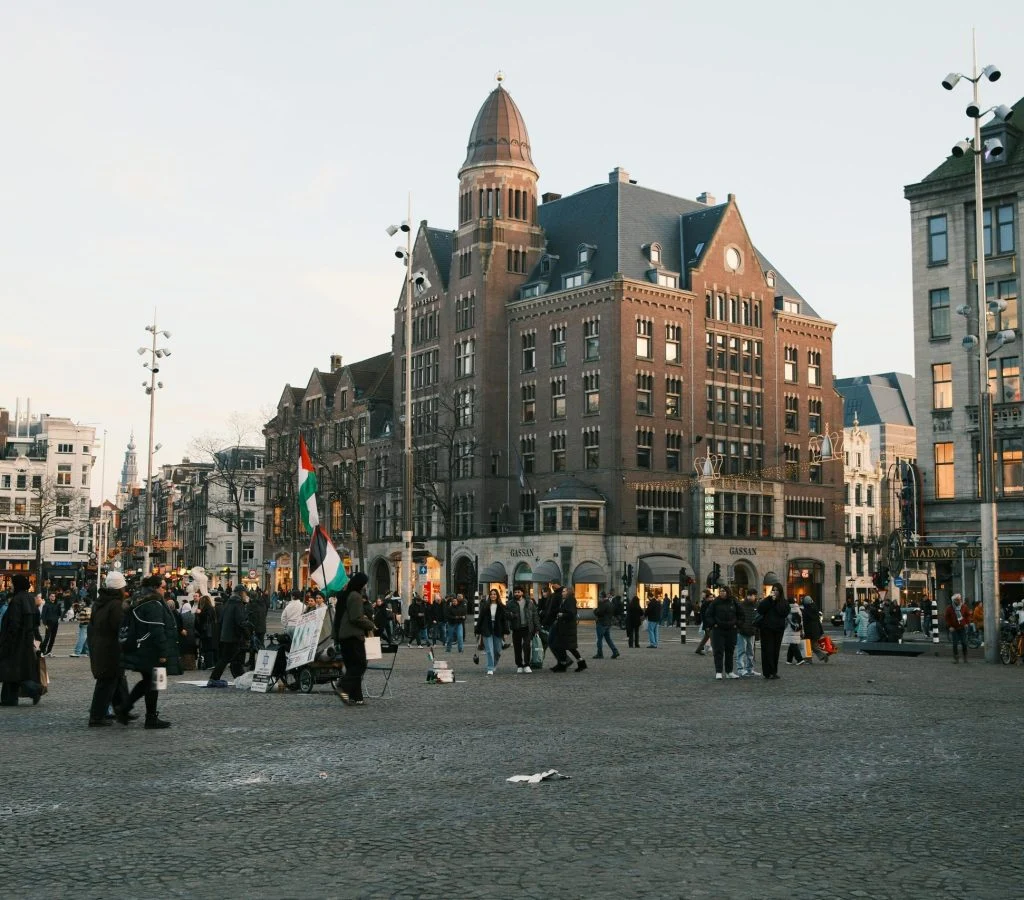
Strong public-space habits can help travelers move through unfamiliar places with more respect and less friction. Many travel etiquette mistakes do not come from bad intentions. They come from assuming that sidewalks, stations, queues, and public behavior work the same way everywhere.
Official U.S. travel guidance supports a more aware approach. Travel.State.gov says travelers should learn local laws and customs before going abroad, keep a low profile, and remain aware of their surroundings. It also advises travelers to review destination guidance and local laws even when only passing through a place.
1. Observe the space before stepping into the flow
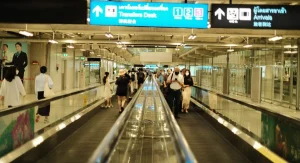
One of the most useful public-space habits is taking a moment to watch how people use a place before joining in. This matters in station entrances, hotel lobbies, sidewalks, transport platforms, and public buildings. A short pause can show where people stand, how quickly they move, and what behavior feels normal there.
This habit helps because respectful travel often starts with reading the room instead of assuming it works like home. Travel.State.gov says travelers should learn local laws and customs and be mindful of their surroundings.
2. Step aside before checking maps or changing plans
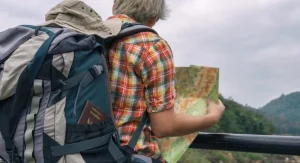
Many visitors stop in the middle of a walkway when they need directions. A better habit is moving to the side first, then checking the map or phone in a calmer spot. This keeps the main path clear and usually helps the traveler think more clearly too.
Travel.State.gov’s crime guidance says travelers should stay alert, keep phones charged, and download offline maps before travel. That guidance supports a simple etiquette habit: use navigation tools without blocking the shared space around you.
Credit: VV 97 / Pexels
3. Keep a lower profile in busy public areas
Another strong etiquette habit is keeping a lower profile. Travel.State.gov says travelers abroad should keep a low profile and be prepared. Some destination pages also warn travelers not to display signs of wealth and to stay aware of their surroundings.
In practical terms, this often means calmer movement, less open display of valuables, and more awareness of how much attention a traveler is drawing in a shared place. That supports both safety and smoother public behavior.
4. Treat bags and belongings as part of your footprint
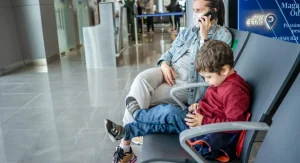
Public courtesy is not only about where a traveler stands. It also includes where their bags sit. A backpack on an extra seat, a suitcase across a narrow path, or shopping bags spread across a waiting area can inconvenience other people quickly.
A better habit is keeping belongings close to your own space and noticing how much room they take up. This is especially useful on buses, trains, station platforms, and in queues. It follows naturally from the broader Travel.State.gov guidance to stay aware of surroundings and keep a lower profile.
5. Keep public volume lower than feels necessary
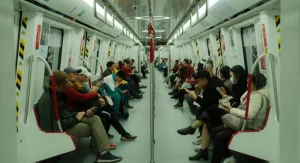
Many etiquette problems during travel come down to noise. Loud conversations, speakerphone use, or device audio can change the feel of a shared space quickly. Travelers often do better when they lower their voice slightly, use headphones carefully, and notice how quiet the setting already is before speaking.
This habit matters in transport, museum spaces, lodging hallways, and older neighborhoods where sound carries more than people expect. Travel.State.gov’s advice to keep a low profile supports this more restrained style of public behavior.
6. Treat local laws as part of everyday etiquette
Good travel manners are not only about being polite. They also include respecting the rules of the place being visited. Travel.State.gov says U.S. citizens must follow local laws abroad and warns that violations can lead to deportation, fines, or imprisonment. It also says travelers should review the laws for any place they are traveling to, even if they are only changing planes there.
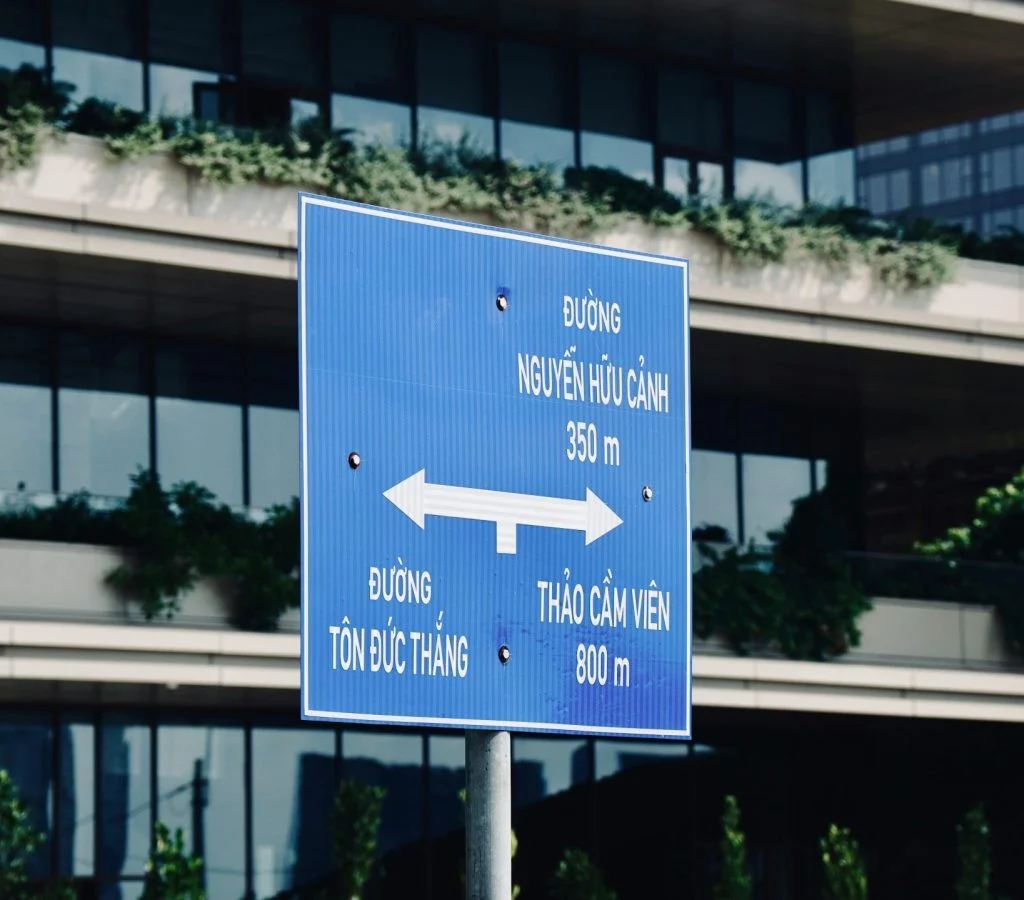
That means reading signs, following local instructions, and not assuming a familiar behavior is acceptable everywhere. Respect for rules is part of respect for place.
Credit: Tuan Vy / Pexels
7. Share important trip details privately, not loudly
Visitors sometimes talk through hotel names, room details, routes, or daily plans in crowded spaces without thinking much about it. A better habit is keeping important details more private and discussing them quietly or later in a calmer setting.
Travel.State.gov says travelers should tell someone at home their itinerary, hotel names, locations they will visit, and emergency contacts. That guidance supports sharing key details with trusted people instead of broadcasting them in public.
8. Let patience shape the day
One of the strongest travel etiquette habits is patience. Systems, queue behavior, service styles, and public routines often work differently across destinations. Travelers who assume everything should move like home often create tension for themselves and others.
Travel.State.gov’s planning guidance tells travelers to learn the destination, review local laws and customs, and prepare before they go. That supports a simple mindset: the visitor adapts to the place, not the other way around.
Frequently Asked Questions
Q: What are the most useful public-space habits for travelers?
A: The most useful public-space habits include observing first, stepping aside before checking directions, keeping a lower profile, controlling bag space, and being patient in shared places.
Q: Why should travelers learn local laws before going abroad?
A: Travel.State.gov says travelers must follow local laws abroad and that breaking them can lead to deportation, fines, or imprisonment.
Q: Why is stepping aside to check directions such a useful travel habit?
A: It keeps walkways clear and helps the traveler think more calmly. Travel.State.gov also recommends offline maps and charged phones so navigation is easier to manage.
Q: Why does “keeping a low profile” matter in travel etiquette?
A: Travel.State.gov advises travelers to keep a low profile abroad. In practice, that often supports both safer and more respectful behavior in shared public spaces.
Key Takeaway
Strong public-space habits help travelers show better respect abroad by turning awareness into simple daily behavior. Official guidance supports learning local laws and customs, keeping a low profile, and staying aware in shared places. Respectful travel usually starts with attention to the people and spaces already around you.




Post Comment