8 Trail Timing Habits That Help Outdoor Travelers Stay Safer All Day
Good trail timing habits can make a hike feel safer, smoother, and far less stressful. Many problems don’t come from major mistakes—they start with small timing misjudgments like starting too late, underestimating the return, or ignoring how weather and fatigue shift the day.
Official guidance from the National Park Service emphasizes planning ahead, checking conditions, leaving a trip plan, and setting a clear return time. These habits help hikers stay in control of the day instead of reacting under pressure.
1. Start earlier than your first estimate
One of the most useful habits is starting earlier than you think you need to. Trails often take longer due to uneven terrain, breaks, navigation pauses, weather changes, or simple fatigue.
The National Park Service advises tracking both time and distance and remembering that total hike time includes the return journey. It also notes that uphill sections can take significantly longer than expected.
An earlier start creates a buffer. It allows for normal delays without turning the hike into a rushed effort to get back before dark.
2. Set a turnaround time before the hike begins
Many hikers wait until they feel tired or uncertain before deciding to turn back. By then, the margin for error is often smaller. A better approach is to decide on a turnaround time before starting.
According to the National Park Service, setting and sticking to a turnaround time helps prevent getting caught out too late, especially as daylight fades.
This habit works because it removes guesswork. Instead of making decisions under fatigue or pressure, the plan is already set while you’re still fresh and thinking clearly.
 Credit: www.kaboompics.com / Pexels
3. Let the slowest hiker shape the pace
Group hikes often become less safe when stronger hikers set a pace that others quietly struggle to match. Good timing is not only about clocks. It is also about whether everyone in the group can keep moving safely and steadily.
The National Park Service says hikers should let the slowest hiker set the pace, keep the group together, and put the slowest hiker near the front. It explains that this reduces the chance of someone getting lost and makes it easier to help if someone is injured.
A steady group pace usually produces a better hiking day than a fast pace that creates separation and fatigue early on.
4. Build breaks into the schedule on purpose
Some hikers treat breaks as a sign that the group is falling behind. In reality, regular breaks are often one of the best timing habits on the trail.
NPS says hikers should take breaks often, know their limits, and pay attention to how they are feeling. It also says a good rule of thumb is that if a hiker can talk while walking, the pace is about right.
Planned breaks help hikers stay more consistent over the whole day. They often prevent the bigger slowdowns that come when the group pushes too hard too early.
5. Check the weather before leaving and watch it during the day
Trail timing and weather are closely connected. A route that feels easy in stable conditions may become much harder if rain, wind, storms, or temperature changes develop later in the day.
NPS says hikers should check the weather before heading out and be prepared to seek shelter if severe weather appears. It also says hikers should have a Plan B ready if conditions are not ideal.
This means timing choices should respond to conditions. Starting earlier, shortening the route, or choosing a different trail can all be signs of good judgment rather than signs that the day has failed.
6. Carry the Ten Essentials even on shorter hikes
Timing mistakes become easier to manage when hikers are properly equipped. A late return, slower pace, or weather shift feels very different when the group has the right basics packed.
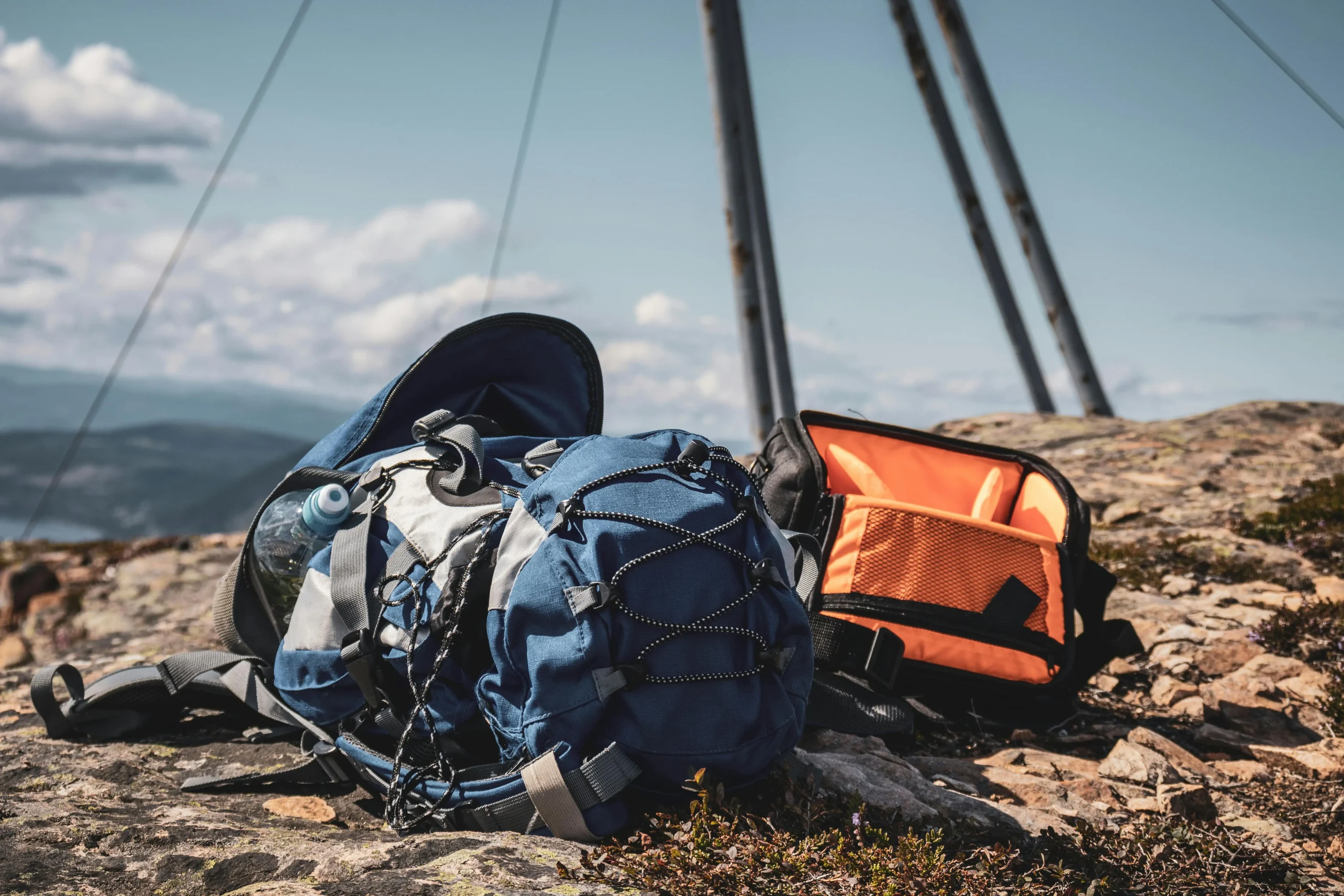
The National Park Service says hikers should always pack the Ten Essentials and notes that these minimum items should be with everyone recreating outdoors, even on short sightseeing hikes. NPS explains that the Ten Essentials help with minor injuries, sudden weather changes, or unexpected delays.
Good gear does not replace good timing, but it gives hikers more room to handle small problems without panic.
 Credit: Jędrzej Koralewski / Pexels
Frequently Asked Questions
Q: What are the most useful trail timing habits?
A: The most useful trail timing habits include starting earlier, setting a turnaround time, letting the slowest hiker set the pace, and planning regular breaks.
Q: Why is a turnaround time important for hiking?
A: NPS says hikers should set a turnaround time and stick to it so they do not get caught outside in the dark.
Q: Do hikers really need the Ten Essentials on short trails?
A: Yes. NPS says hikers should always pack the Ten Essentials, even on short sightseeing hikes, because they help with minor injuries, weather changes, and unexpected delays.
Q: Why should the slowest hiker set the pace?
A: NPS says this helps the group stay together, reduces the chance of someone getting lost, and makes it easier to help if someone gets injured.
Key Takeaway
Strong trail timing habits help outdoor travelers stay safer by giving the day more structure before the hike begins. Earlier starts, turn-around times, weather checks, the Ten Essentials, and realistic pacing often prevent common trail problems from growing into bigger ones.
INTERNAL LINKING SUGGESTIONS
- 8 Hiking Planning Habits That Help Outdoor Travelers Avoid Common Trail Problems
- 8 Outdoor Travel Habits That Help Hikers Stay Safer on the Trail
- How to Prepare for a Hiking Trip Without Overpacking











Post Comment