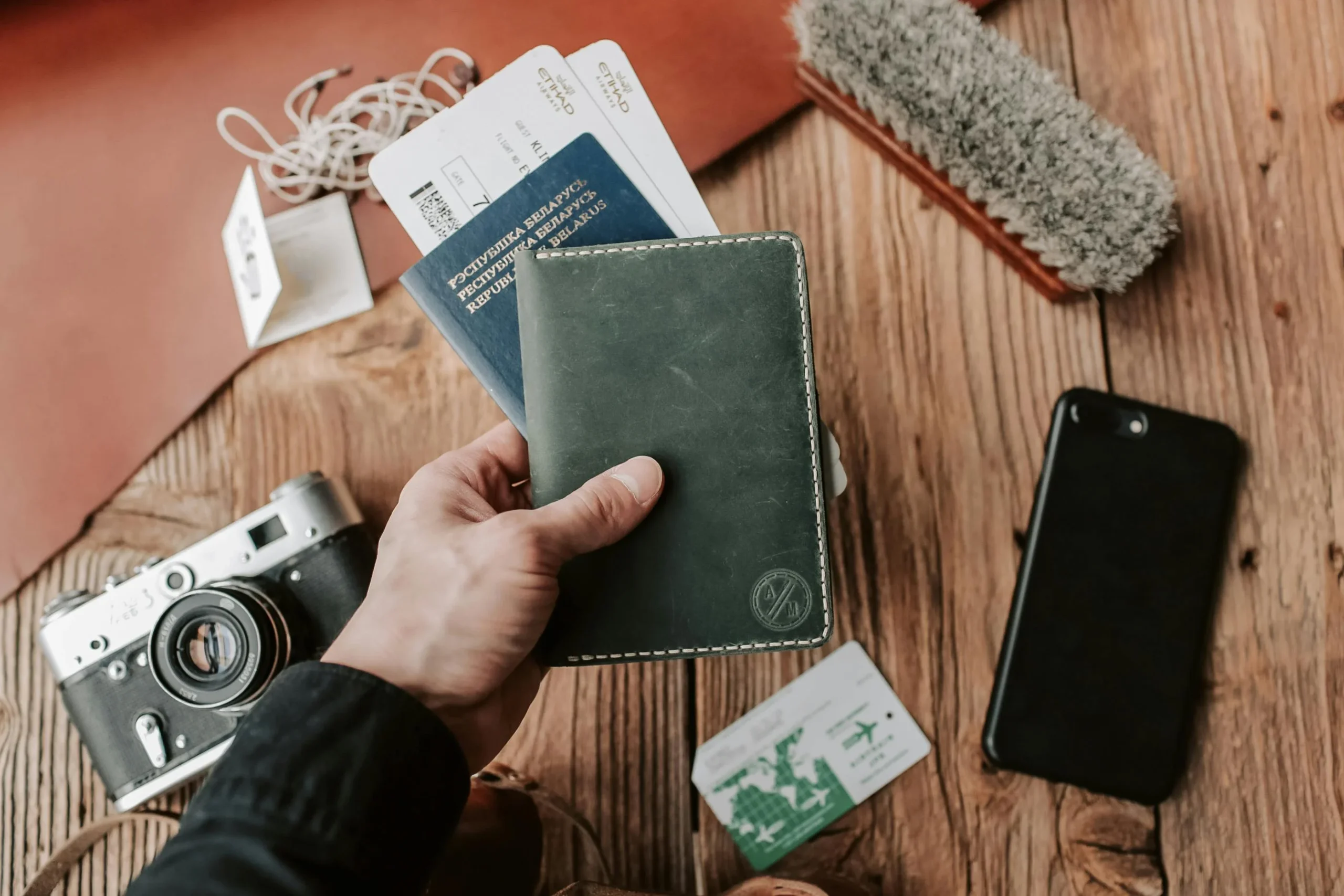
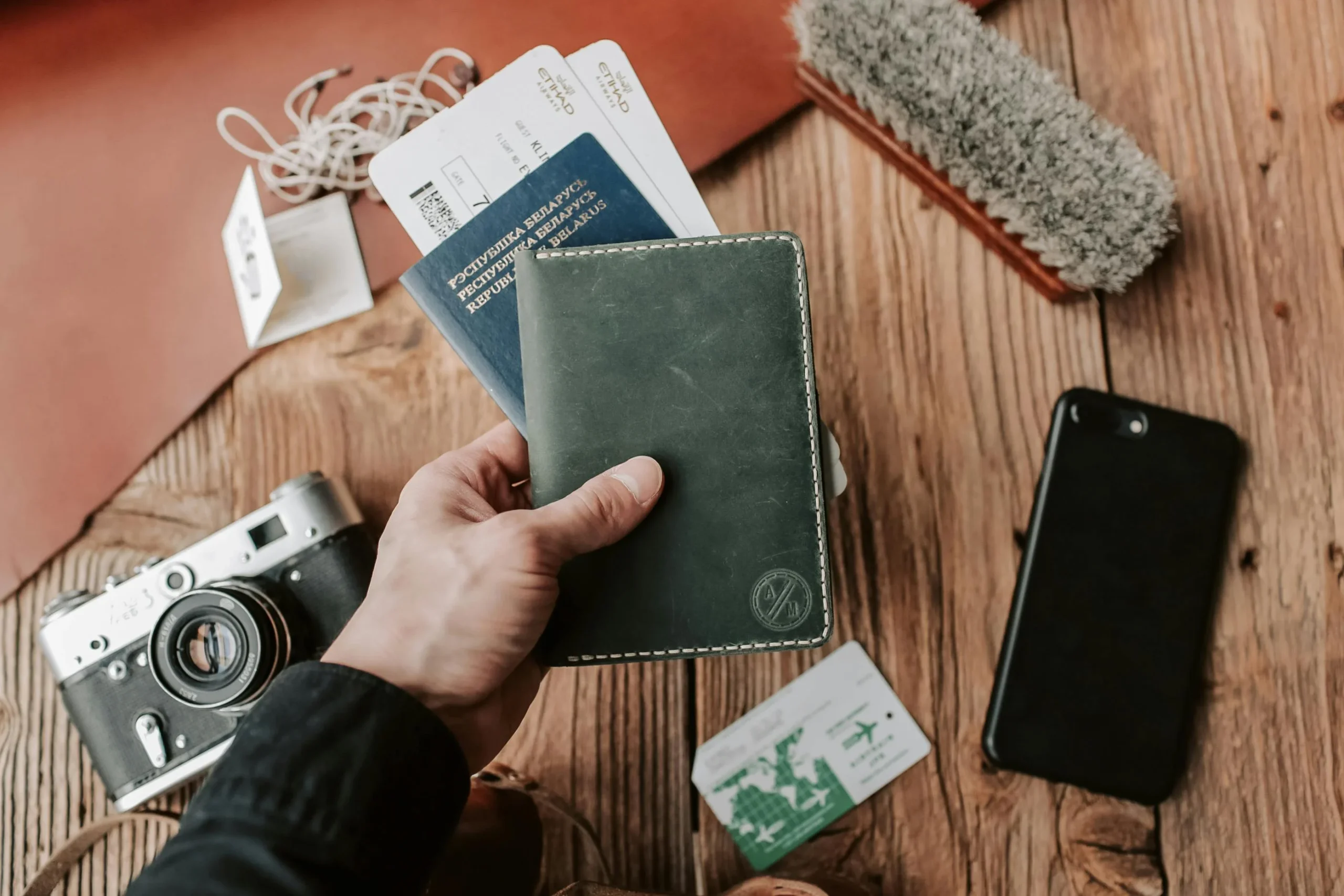
solo travel routines with an independent traveler organizing a passport phone and notebook before heading out

Good solo travel routines can make independent trips feel much easier from the very first day. Many people assume solo travel confidence comes from personality, but in practice it often comes from simple, repeatable habits. When a traveler has clear routines for documents, transport, timing, and daily planning, the entire experience usually feels more manageable.

Traveling alone can be rewarding, but it also means one person is responsible for every decision, every item, and every unexpected change. That’s why strong daily routines matter. They reduce stress, protect important belongings, and help travelers stay calm in unfamiliar places.

1. Start the Day With One Simple Plan

One of the most helpful solo travel routines is beginning each morning with a clear, simple plan instead of a packed schedule. It’s easier to feel settled when the first destination, the main route, and one backup option are already decided before leaving the hotel.

This doesn’t mean planning every hour. In fact, solo travel often works better with a lighter structure. One main goal and one smaller option usually lead to a smoother day than a long list of stops that becomes difficult to manage.

A short plan also helps reduce decision fatigue. Without a travel partner to share choices, even small decisions can become tiring over time.

2. Keep Important Items in the Same Place Every Time

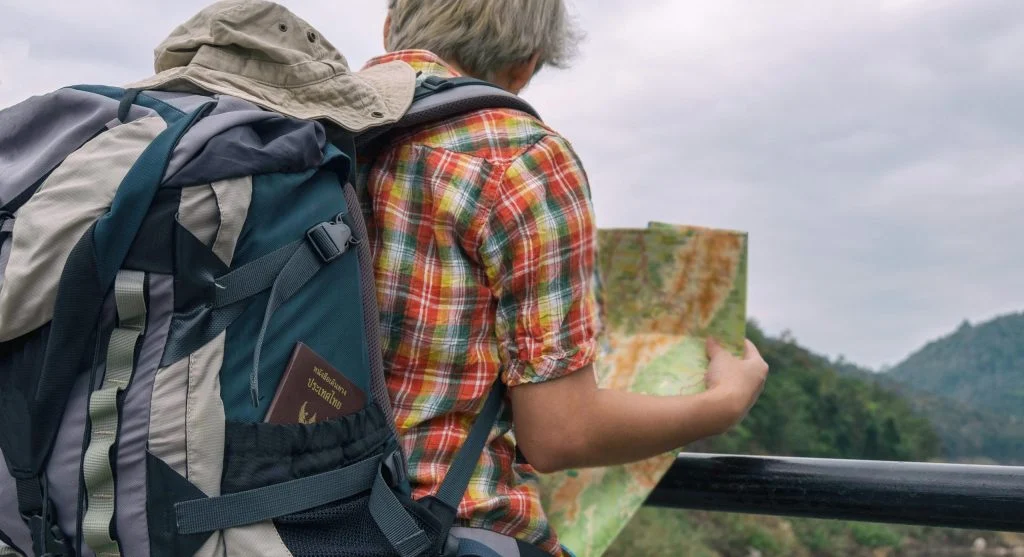
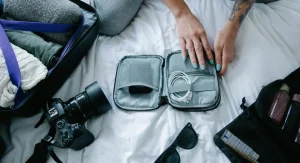
Staying organized is much easier when essentials like a passport, wallet, phone, charger, and room key are always kept in the same place. One of the most practical traveling-alone tips is to use the same pockets, pouch, or sections of a bag every day instead of constantly changing where things go.

This matters because solo travelers are fully responsible for their belongings. There’s no one to double-check or remind you if something is missing. A consistent system helps avoid the stress that comes from not being able to find something quickly.

Many independent travelers feel more confident when their bag follows a routine rather than feeling random or unpredictable.

solo-travel-routines-with-an-independent-traveler-organizing-a-passport-phone-and-notebook-before-heading-out-1-scaled

CreditTimur Weber  / Pexels

3. Decide the First Move After Arrival Before the Trip Starts

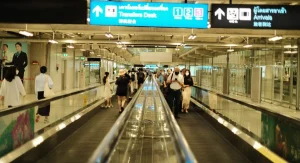
Arrival is often the most stressful part of solo travel. Airports and stations can feel crowded, noisy, and unfamiliar, especially after a long journey. That’s why one of the most useful solo trip organization habits is deciding your first move before you arrive.

This might mean knowing how you’ll get to your hotel, which transport option makes the most sense, or what you’ll do if plans change. Travelers tend to feel more confident when that first step is already clear.

The goal isn’t to figure out everything at once—it’s simply to reach your first safe stop with as little confusion as possible.

4. Step Aside Before Checking Directions

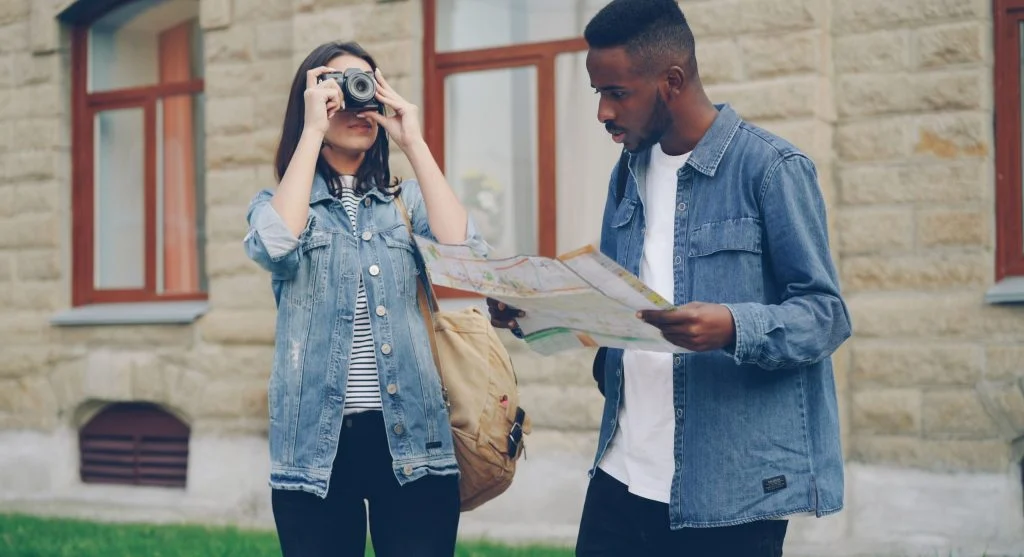
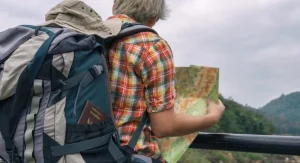
Many travelers pause in the middle of walkways or station entrances when checking directions. A better habit is to step to the side first, then look at your map in a calmer spot. It’s a small change, but it makes a noticeable difference.

Staying in the flow of moving crowds while checking your phone can create pressure and confusion. Taking a moment at the edge of the space gives you time to think clearly and avoids disrupting others.

For solo travelers, this habit turns navigation into a calm, controlled action instead of a stressful moment.

5. Build Breaks Into the Day on Purpose

Solo travel can be tiring in a different way than traveling with others. One person is responsible for every route, every meal choice, every item, and every timing decision. That’s why a strong routine includes planned breaks instead of waiting until exhaustion sets in.

Stopping at a café, sitting on a quiet bench, or taking a short indoor pause can reset energy and improve focus. Many solo travelers find they enjoy the experience more when they treat rest as part of the plan, not a sign that something is going wrong.

A slightly slower pace often makes an independent trip feel more enjoyable, not less.

6. Keep One Simple Contact Backup

Solo travel often feels more secure when one trusted person knows the general outline of your trip. This doesn’t mean constant updates—it simply means someone knows your destination, travel dates, and where you plan to stay.

It can also help to carry a written note with hotel details, key contacts, and a few emergency points. A simple paper backup is useful if your phone battery dies or your device becomes unavailable.

This habit adds a quiet layer of support without taking away the freedom of traveling alone.

7. End Each Day With a Reset Routine

One of the most valuable solo travel habits happens at the end of the day. A short reset routine can make the next morning much smoother. This might include charging your phone, checking documents, refilling water, reviewing your first move for the next day, and putting important items back in their usual places.

This works because solo travel runs more smoothly when the day begins with everything in order instead of scrambling to find things. A few calm minutes at night can prevent a lot of stress the next morning.

Many travelers also sleep better knowing everything is already set for the next day.

8. Keep Expectations Flexible, Not Rigid

One of the best solo travel routines is allowing room for change. Delays, weather shifts, low energy, or unexpected crowds can all affect the day. Trips tend to go more smoothly when plans have structure but don’t turn into strict checklists.

Flexibility helps turn changes into a normal part of travel instead of a problem. Solo travelers often feel more confident when they trust their ability to adapt rather than forcing every plan to go exactly as expected.

Independent travel usually feels more enjoyable when it stays organized but not overly rigid.

Frequently Asked Questions

Q: What are the most useful solo travel routines?
A: The most useful solo travel routines include starting each day with a short plan, keeping important items in the same place, taking planned breaks, and ending the day with a reset routine.

Q: Why is organization so important during solo travel?
A: Solo travelers manage every document, route, and item on their own. Good organization reduces stress and helps prevent small mistakes from becoming bigger problems.

Q: How can solo travelers feel more confident?
A: Confidence often grows from repeatable habits, not from luck. A clear first-arrival plan, simple daily structure, and consistent bag system usually help travelers feel more settled.

Q: Should solo travelers plan every hour?
A: No. A light structure often works better than a packed schedule. Solo trips usually feel smoother when there is room for breaks and simple changes.

Key Takeaway

Strong solo travel routines help independent trips feel more organized by turning important daily tasks into simple habits. A clear plan, consistent bag system, regular breaks, and a short evening reset often make solo travel feel calmer and more enjoyable. Confidence usually grows when the traveler has routines they can trust.

INTERNAL LINKING SUGGESTIONS

  • 8 Solo Travel Backup Habits That Help Independent Trips Feel More Manageable
  • 8 Solo Trip Planning Habits That Help Travelers Feel More Prepared
  • 8 Solo Arrival Habits That Help Travelers Feel More Confident in a New Place
Post Comment