8 Hiking Routine Habits That Help Outdoor Trips Feel Safer and More Organized
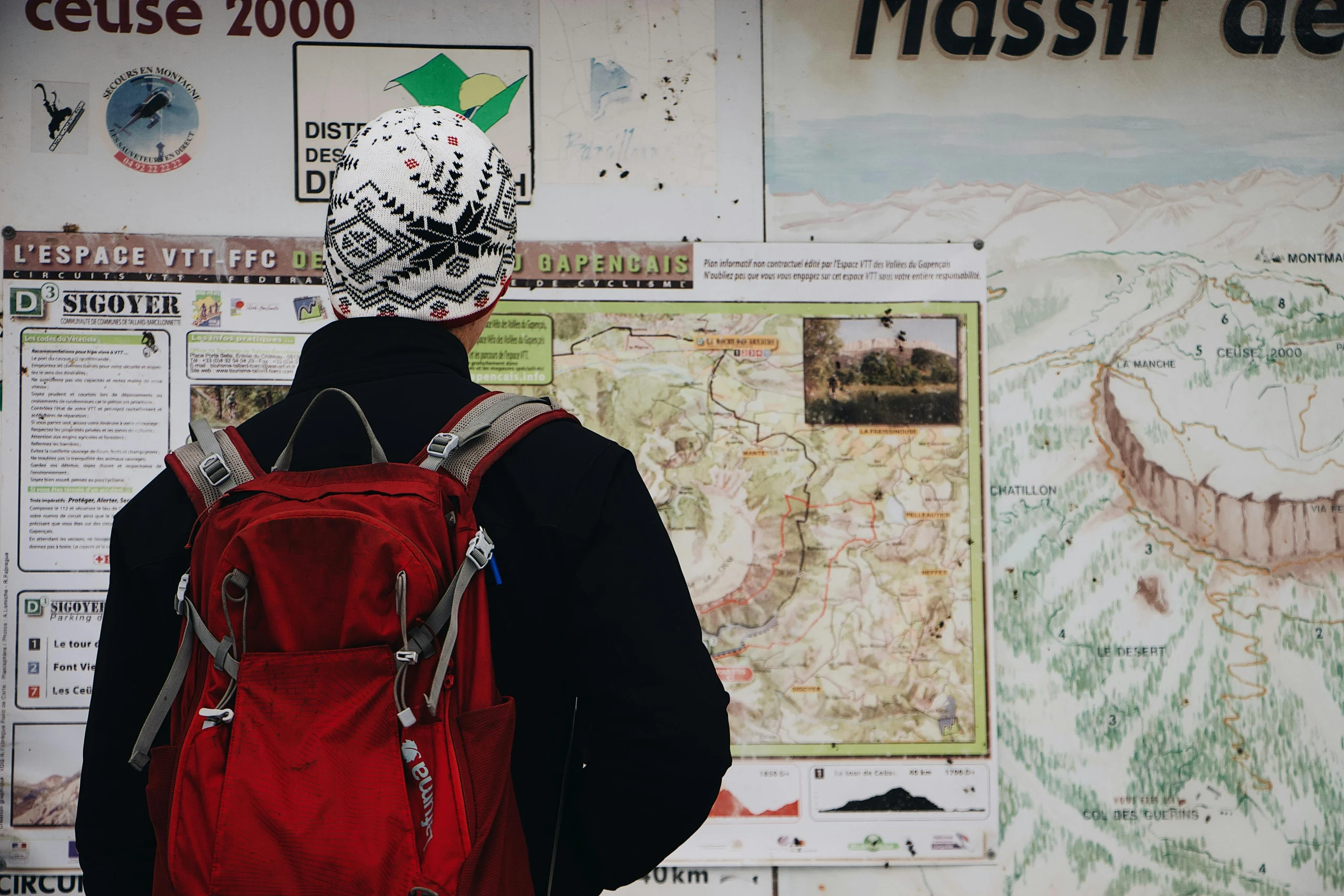
Strong hiking routine habits can make outdoor trips feel safer, calmer, and more organized before the trail even begins. Many hiking problems don’t start with major mistakes—they often come from small gaps in routine, like skipping a weather check, rushing route decisions, or forgetting essential gear.
Official guidance from organizations like National Park Service, NOAA, and Leave No Trace points in the same direction. Hikers tend to do better when they prepare early, expect changing conditions, and follow repeatable systems for planning and gear. The National Park Service recommends planning ahead, checking the weather, carrying the Ten Essentials, and setting a turn-around time. NOAA highlights weather risks like thunderstorms, while Leave No Trace emphasizes matching trips to skills, goals, and conditions.
1: Start every hike with the same planning routine
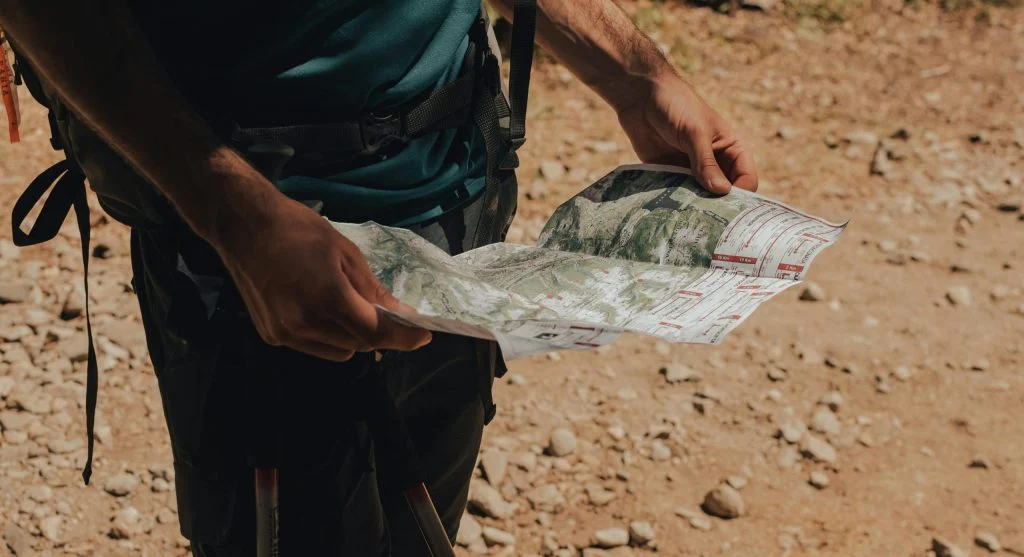
One of the most useful hiking habits is following the same planning steps before every trip. Instead of making decisions from scratch each time, it helps to review the route, distance, estimated return time, and trail conditions in a consistent order.
The National Park Service trip-planning guidance suggests using a trip plan, practicing emergency preparation, and reviewing essential gear before heading out. Leave No Trace also recommends identifying the purpose of the trip, understanding group skill levels, and learning about the area in advance.
A repeatable routine works well because it reduces last-minute decisions and makes preparation more reliable.
2: Check weather twice, not once
Another strong hiking habit is checking the forecast more than once. Looking at the weather the night before helps shape the plan, but checking again on the day of the hike is just as important. Conditions can change, and even small shifts can affect pace, clothing, water needs, and safety.
NOAA explains that outdoor activities can become dangerous due to weather hazards, especially thunderstorms. It advises scheduling hikes to avoid times when storms are likely—often in the late afternoon—and notes that there are no safe places outdoors during lightning.
This makes weather awareness one of the most important hiking routines, not just a quick check before leaving.
3. Carry the Ten Essentials every time
Some hikers still think emergency gear is only for long or remote trips, but official guidance says otherwise. The National Park Service says hikers should always pack the Ten Essentials, even on short sightseeing hikes, because they help with minor injuries, sudden weather changes, and unexpected delays. Leave No Trace also says hikers should pack the Ten Essentials for comfort, safety, and Leave No Trace qualities.
This makes essential gear part of a routine, not a special-case decision. The most effective hikers usually do not debate whether the basics matter. They simply carry them every time.
4. Set a turn-around time before the trail begins
One of the simplest and strongest routine habits is deciding the turn-around time before leaving the trailhead. Waiting until the group feels tired or uncertain often leads to worse decisions later in the day.
The National Park Service says hikers should keep track of time and distance, remember that total hike time includes the way out and the return, and set a turn-around time if the trip is taking longer than planned so they do not get stuck outside in the dark.
This habit works well because it removes one of the hardest trail decisions from the most tiring part of the day.
5. Let the slowest pace shape the group
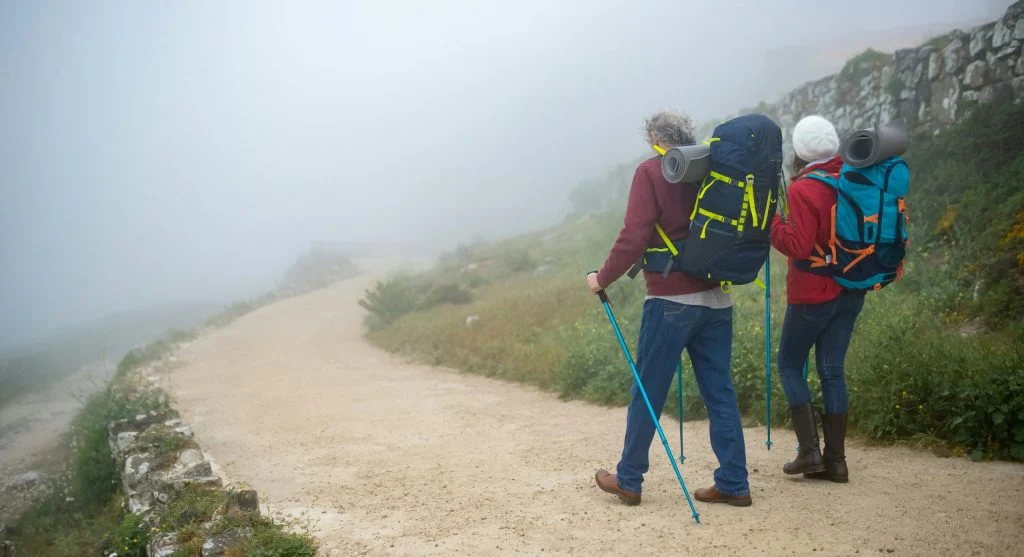
Many trail days become harder when the strongest hiker quietly sets the pace. A better routine is letting the slowest hiker guide the speed of the group. That usually keeps everyone together and reduces the chance of fatigue, separation, or rushed choices.
The National Park Service says hikers should let the slowest hiker set the pace, keep the group together, and take breaks often. It also notes that a good sign of an appropriate pace is being able to talk while walking.
This is one of the most useful outdoor routines because it supports both safety and enjoyment at the same time.
6. Share the route with one trusted person
A simple route-sharing habit can matter more than hikers expect. When someone outside the group knows the plan, it becomes easier to respond if the hike takes longer than expected or something goes wrong.
Mount Rainier National Park says hikers should always tell someone their travel plans so that person can notify the park if they fail to return. Death Valley safety guidance also says visitors should write down their planned itinerary, designate an emergency contact, and make clear when they expect to be back in touch.
This habit takes very little effort, but it creates a strong backup if the day changes unexpectedly.
Frequently Asked Questions
Q: What are the most useful hiking routine habits?
A: The most useful hiking routine habits include using the same planning steps, checking weather twice, carrying the Ten Essentials, setting a turn-around time, and sharing the route with one trusted person.
Q: Do hikers really need the Ten Essentials on short hikes?
A: Yes. The National Park Service says hikers should carry the Ten Essentials even on short sightseeing hikes because they help with weather changes, minor injuries, and unexpected delays.
Q: Why is a turn-around time important?
A: The National Park Service says hikers should set a turn-around time if the trip is taking longer than planned so they do not get caught outside in the dark.
Q: Why should hikers review the trip after coming back?
A: Leave No Trace says travelers should evaluate the trip upon return and note changes they will make next time.
Key Takeaway
Strong hiking routine habits help outdoor trips feel safer and more organized by turning planning into a repeatable system. Official guidance supports weather checks, route sharing, the Ten Essentials, turn-around times, and post-trip review as practical parts of a better trail day. Hikers usually feel calmer when good routines are already built into the trip.









Post Comment