8 Everyday Travel Habits That Help Visitors Show More Respect Abroad
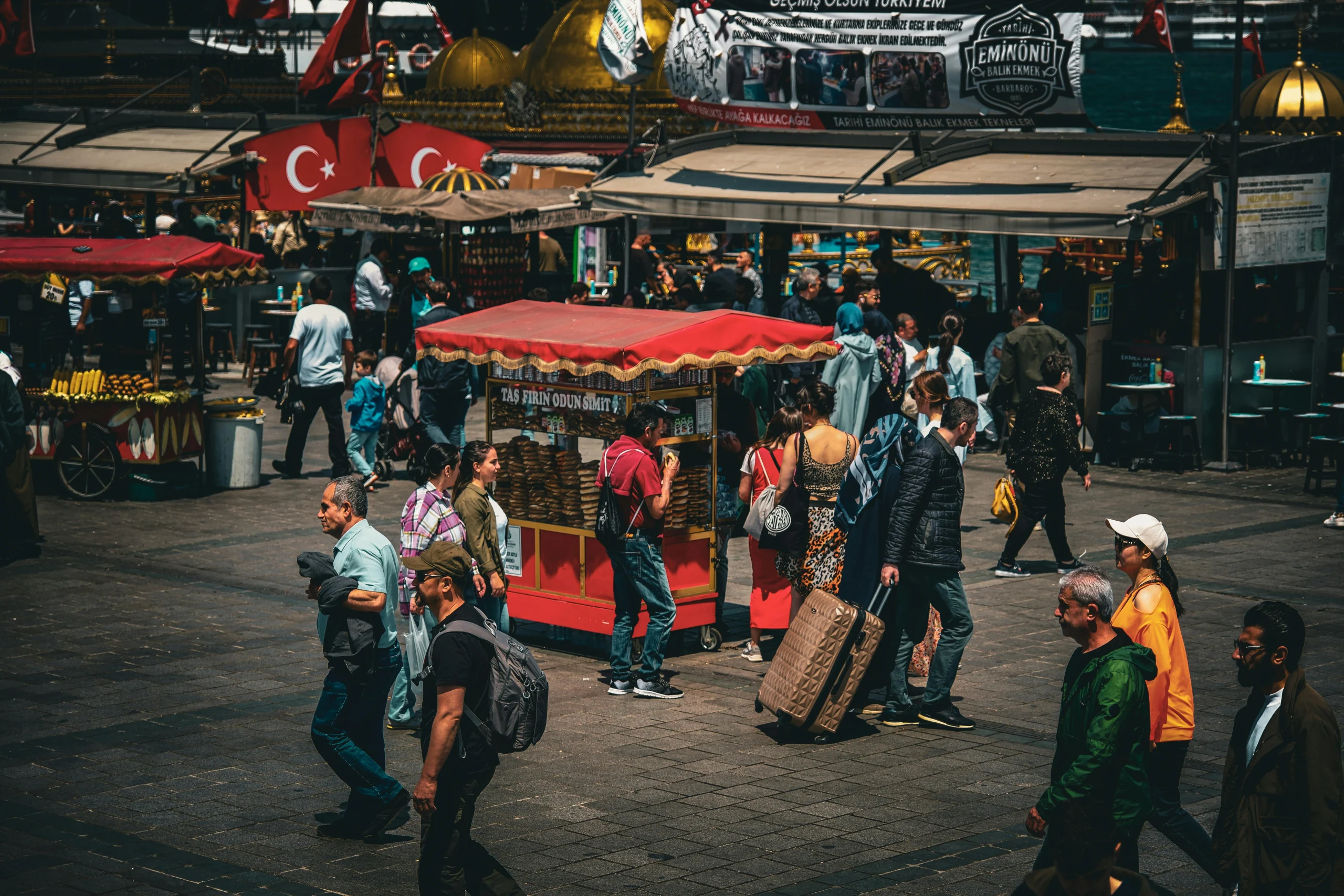
Strong everyday travel habits can help visitors move through new places with more respect and less friction. Many travel mistakes do not come from bad intentions. They come from moving too fast, assuming local routines are the same everywhere, or forgetting that public spaces are shared first by residents and only second by visitors.
Respectful travel often starts with simple awareness. A traveler does not need to know every local custom before arrival, but small daily habits can still make a big difference. Quiet observation, calmer movement, and more thoughtful choices often help visitors fit into a place more naturally.
1. Observe first before joining the flow
One of the most useful everyday travel habits is watching how a space works before stepping into it. This matters in station entrances, hotel lobbies, café lines, crosswalks, and older neighborhood streets. A short pause often shows where people stand, how quickly they move, and what behavior feels normal there.
This habit helps travelers avoid many small mistakes. Instead of guessing how a place works, they learn from the people already using it. That often creates smoother movement and fewer awkward moments.
Observation also helps lower stress. A traveler who takes in the space first usually feels less rushed when it is time to act.
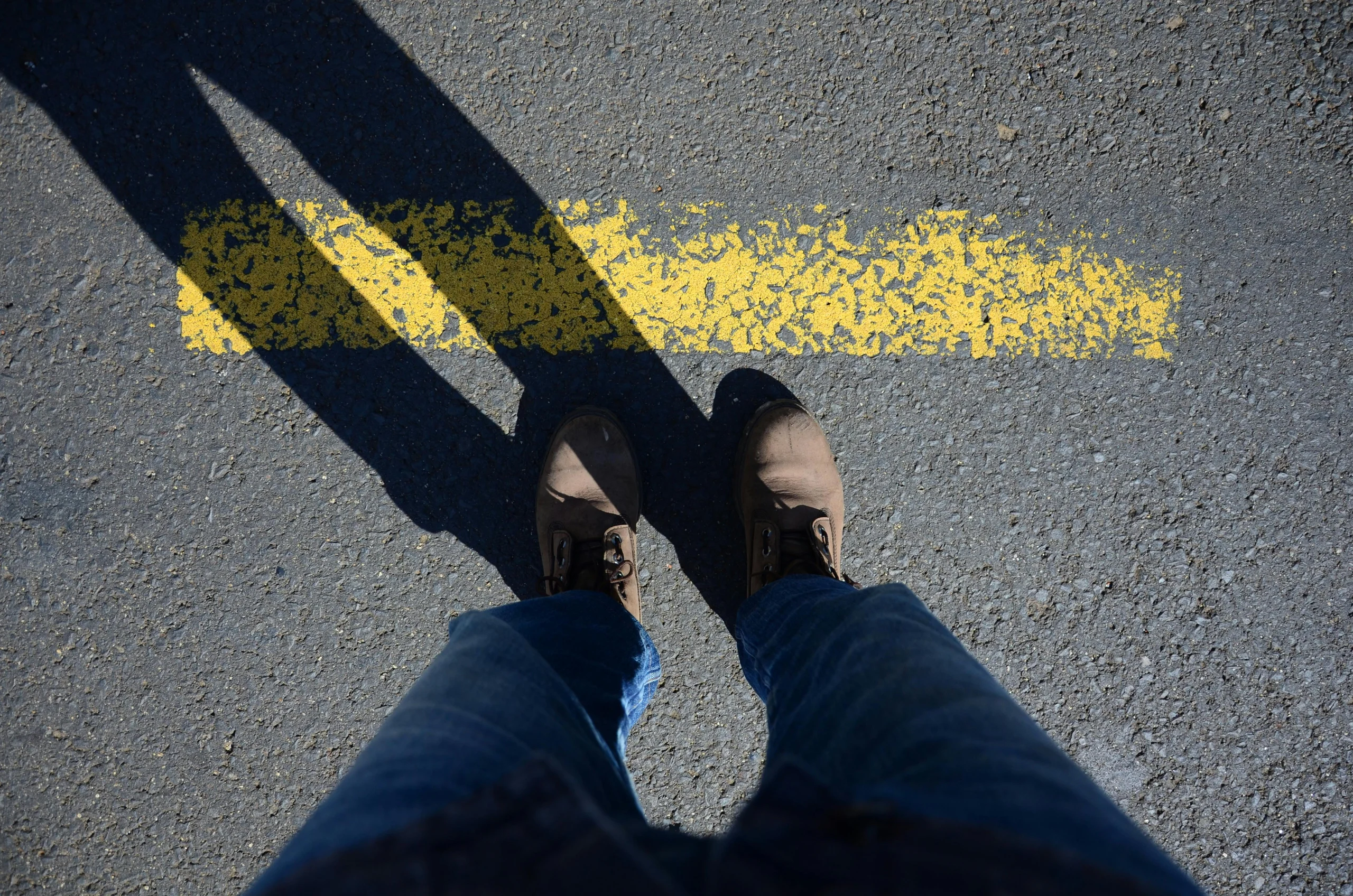
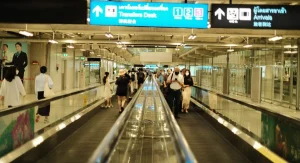
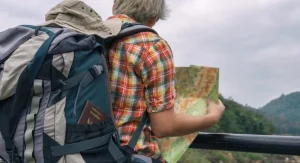
2. Step aside before checking maps or plans
Many visitors stop suddenly in the middle of a walkway when they need to check directions. A better habit is moving to the side first, then looking at the phone or the map in a calmer spot.
This simple routine works well because it respects the flow of the people around you. It also gives the traveler a better chance to think clearly instead of trying to solve the next step while standing in the busiest part of the path.
Good travel etiquette is often less about big gestures and more about these small choices in shared spaces.
Credit: Quan Tran / Pexels
3. Keep bags and belongings close to your own space
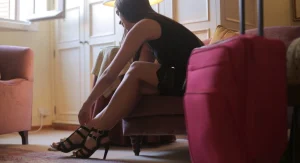
Public courtesy becomes much more visible when luggage, shopping bags, or backpacks enter the picture. A traveler who lets a bag block a seat, a doorway, or a narrow path may create frustration very quickly without meaning to.
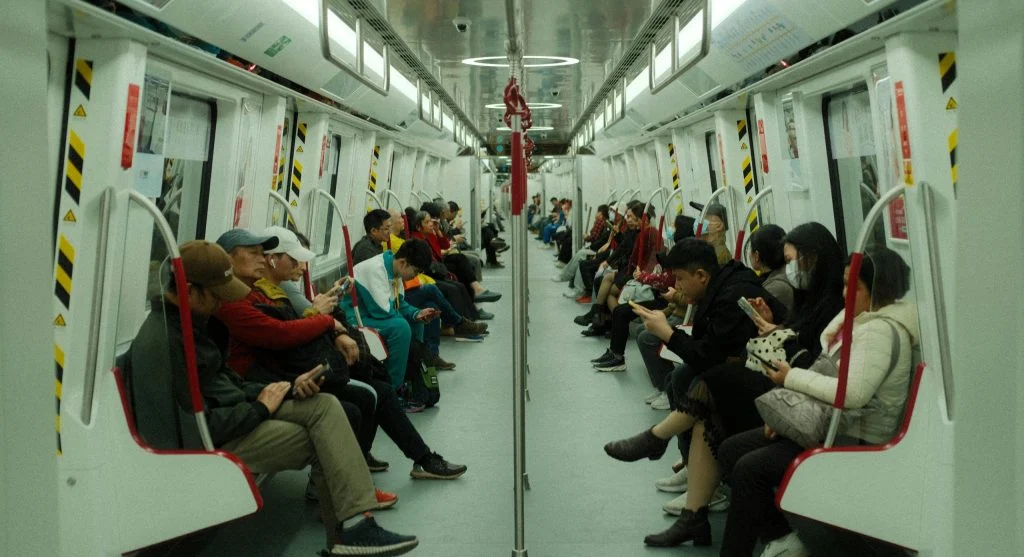
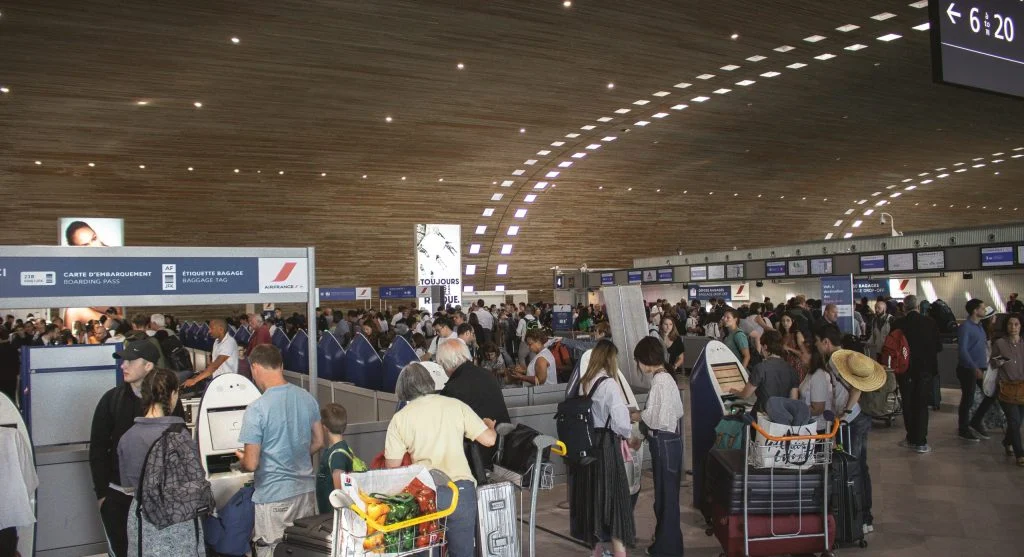
A stronger habit is keeping belongings close and being aware of how much room they take up. This matters on buses, trains, escalators, in queues, and in waiting areas where many people are trying to move through the same space.
Travel often feels smoother when visitors think not only about where they are standing, but also about where their bags are sitting.
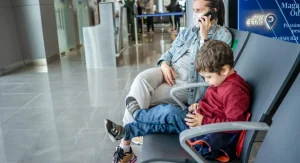
4. Keep public volume lower than you think you need
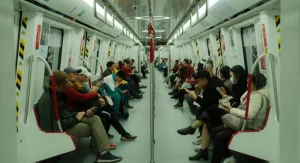
Many etiquette problems during travel come down to noise. Loud conversations, speakerphone use, or repeated audio from a device can change the feel of a shared space quickly.
Travelers often do better when they lower their voice slightly, use headphones thoughtfully, and notice how quiet or busy the setting feels before they speak. This is especially useful on transport, in lodging halls, in museums, and in older districts where sound carries easily.
A quieter travel style often makes a visitor feel more aware and more in control at the same time.
5. Treat local rules like part of everyday etiquette
Good travel manners are not only about behavior. They also include respecting the practical rules of the place being visited. Signs, queue systems, access rules, and local expectations are all part of moving respectfully through a destination.
Many travelers separate etiquette from rules, but the two usually overlap. A visitor who ignores posted guidance may inconvenience others even before any legal issue appears. That is why reading signs carefully and following local directions is part of respectful travel behavior.
This habit is especially useful in transport areas, cultural sites, and public buildings where expectations may be clearer than travelers first realize.
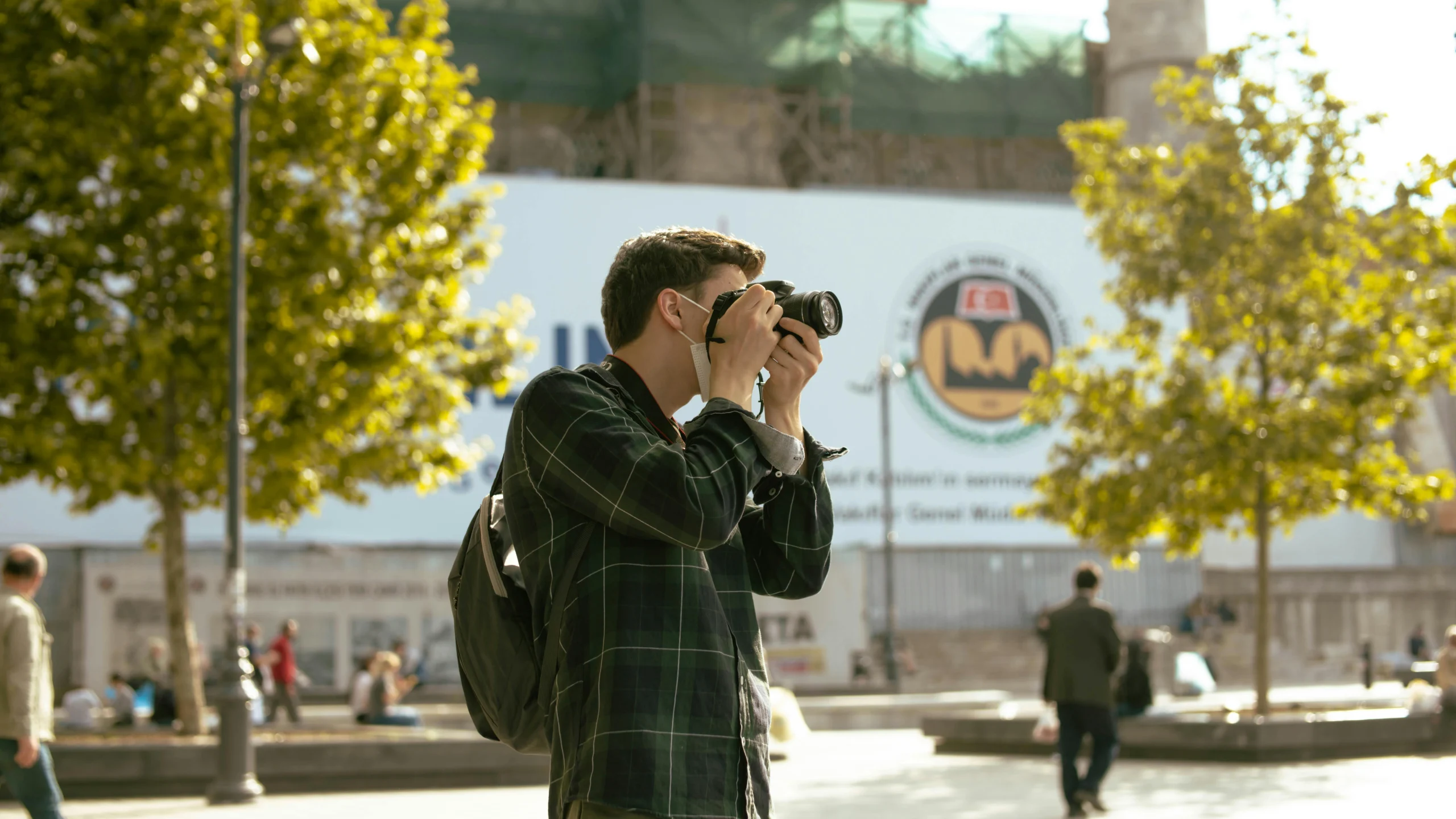
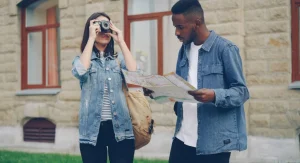
6. Ask before taking close photos of people
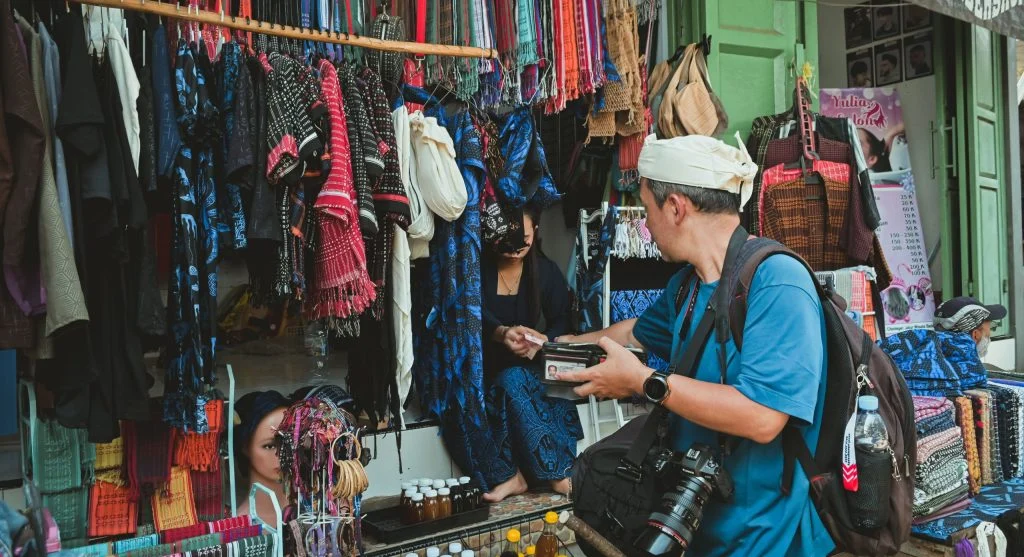
Travel photography feels natural, but not every public moment is meant to become part of someone else’s picture. A stronger habit is pausing before photographing people closely, especially in markets, residential areas, and quieter local settings.
This does not mean photography is a problem. It means awareness matters. A traveler who asks when appropriate or chooses a wider scene instead of a direct close-up often shows more respect.
In many places, that small pause can matter much more than the photo itself.
Credit: Ahmet Hezretov / Pexels
7. Share important travel details privately, not loudly
Visitors often talk through hotel names, room details, routes, or daily plans in crowded spaces without thinking much about it. A better habit is keeping important details more private and discussing them quietly or later in a calmer setting.
This supports both courtesy and comfort. It lowers unnecessary noise in shared places and helps the traveler stay more aware of what is being said and where.
Travel often feels more thoughtful when personal planning is handled with a little more care.
8. Let patience shape the day
One of the strongest travel etiquette habits is patience. Systems, service styles, queues, and timing often work differently from place to place. A visitor who expects every routine to match home habits may create stress for both themselves and others.
Patience helps travelers adapt more smoothly. It creates room to observe, adjust, and move with the place instead of against it. Many respectful travel habits become easier once the traveler stops trying to force the day into familiar patterns.
In the end, respectful travel usually comes less from perfect knowledge and more from steady attention.
Frequently Asked Questions
Q: What are the most useful everyday travel habits?
A: The most useful everyday travel habits include observing first, stepping aside before checking directions, keeping belongings close, lowering public volume, and being patient in shared spaces.
Q: Why is stepping aside to check directions important?
A: It helps keep walkways clear and gives the traveler a calmer moment to think. This small habit often improves both courtesy and confidence.
Q: Should travelers ask before taking photos of people?
A: In many situations, yes. Asking or choosing a wider photo can show more respect, especially in local markets, residential areas, or quieter public spaces.
Q: Is travel etiquette mostly about manners?
A: It includes manners, but it also includes awareness, patience, and respect for shared spaces and local rules. Small daily habits usually matter the most.
Key Takeaway
Strong everyday travel habits help visitors show more respect abroad by turning awareness into simple daily behavior. Small choices like observing first, stepping aside, keeping noise lower, and moving patiently through shared spaces often do more than big gestures. Respectful travel usually starts with attention to the people already around you.


Post Comment