8 Flight Prep Habits That Help Travelers Avoid Common Last-Minute Problems
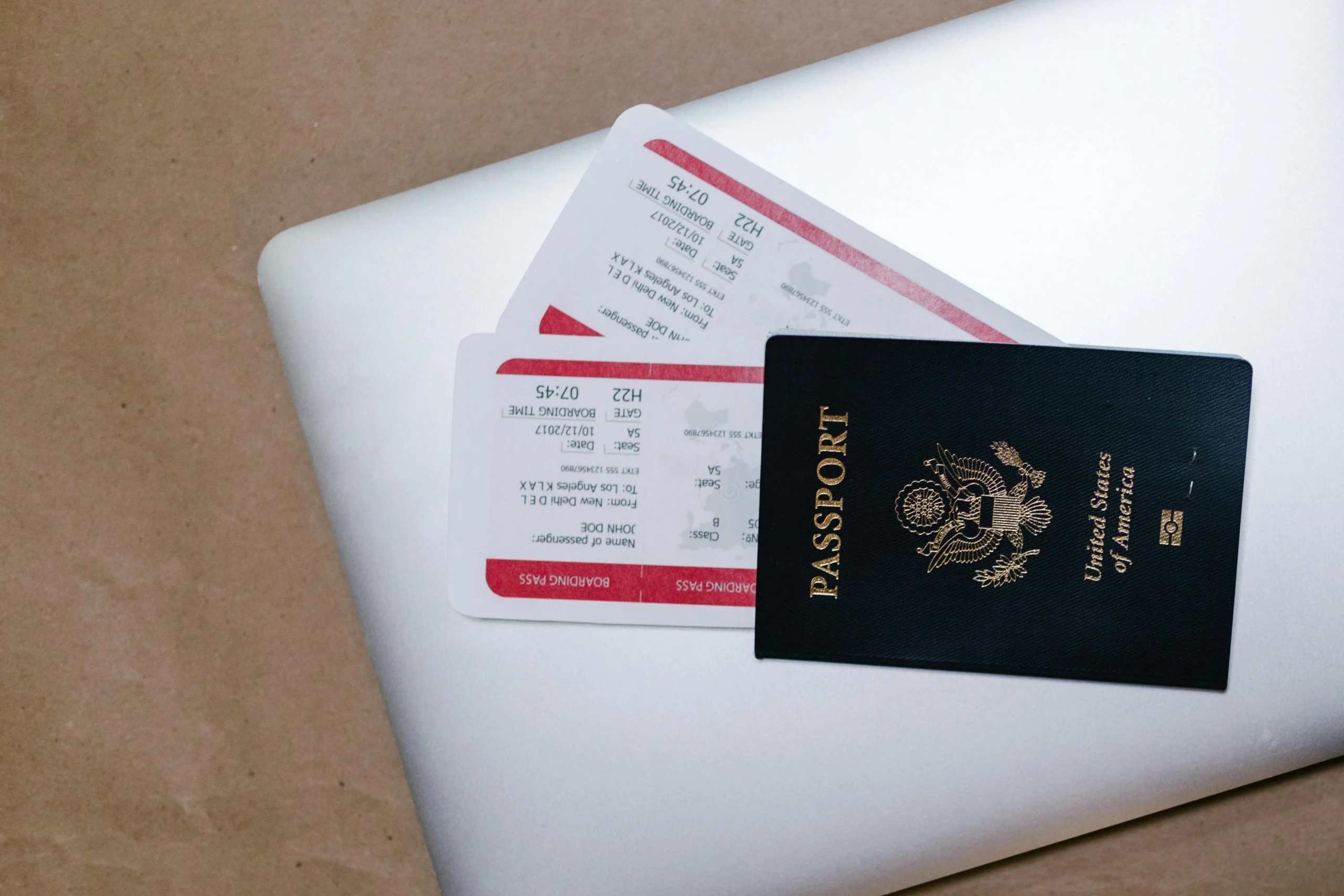
Strong flight prep habits can make airport day feel much easier before the traveler even leaves home. Many last-minute problems begin with small details such as unclear ticket rules, missing paperwork, or a booking that was never reviewed carefully after purchase. Official U.S. guidance supports preparing those details early rather than fixing them at the airport. The U.S. Department of Transportation says travelers should review ticket prices, restrictions, optional services, baggage fees, 24-hour cancellation rules, and international document needs before travel, while Travel.State.gov says travelers should organize important travel documents and review destination requirements before departure.
1. Review the ticket again after booking
One of the most useful flight prep habits is checking the booking again after purchase instead of assuming everything is already settled. Travelers often feel relieved once the payment is complete, but that is exactly when useful details can be missed.
DOT’s official ticket-buying guidance says travelers should pay attention to restrictions on tickets, optional services, baggage fees, and cancellation or refund rules. Those issues can affect the trip long after the booking is made, so reviewing them again before airport day often prevents confusion later.
2. Keep travel documents in one reliable place
Documents create a surprising amount of stress when they are packed too deeply or split between bags. A better habit is keeping passport, identification, reservation details, and any visa-related paperwork together in one document pouch or one easy-to-reach section of the bag.
Travel.State.gov’s International Travel Checklist specifically highlights important travel documents such as a valid U.S. passport, a visa when needed, medications, and traveling-with-children paperwork. It also tells travelers to review destination-specific entry, exit, and visa requirements before departure.

3. Check baggage rules before the day of travel
Many avoidable airport problems begin with bag assumptions. A traveler may think a carry-on is included, forget the checked-bag fee, or overlook size and weight limits until arrival at the terminal.
DOT says baggage fees are one of the top issues travelers should review before buying a ticket, and its consumer pages note that many airlines charge extra for checked baggage and other services. Budget travelers especially benefit from treating baggage rules as part of the fare, not as a separate surprise later.
4. Treat ticket restrictions like part of the trip plan
Some bookings look simple until the traveler needs more flexibility. A fare with stricter change rules, limited included services, or no helpful extras can become harder to manage than expected once travel day gets close.
DOT’s official guidance lists ticket restrictions among the key issues travelers should understand before travel. That means smart flight preparation includes knowing what the ticket allows and what it does not. A slightly higher fare can sometimes be easier to manage if it removes later problems.
5. Review international document needs before airport day
One of the most important flight prep habits for international travel is checking passport validity and visa requirements early enough to act on them. Travelers often focus on flights first and destination entry rules second, but that order can create major problems.
Travel.State.gov says some countries require a visa or electronic travel authorization to enter and says travelers should check the foreign embassy of the destination for the most up-to-date requirements. Its checklist also highlights that traveling with children may require legal documents showing custody or a notarized permission letter from the other parent.
6. Put medication and health basics near the top of the plan
Health items should not be treated as a late packing detail. A delayed bag, missed connection, or long airport day can become far more difficult if important medication is hard to reach or poorly documented.
Travel.State.gov’s medicine and health guidance says travelers should bring enough medicine for the whole trip plus a few extra days in case of travel delays, ask a doctor for a letter listing medicines by generic name, keep the letter with medicines in their original package, and take copies of prescriptions. Those steps often matter just as much as the ticket itself.

Credit: Gustavo Fring / Pexels
7. Use a simple checklist instead of memory alone
The strongest travel routines are often the simplest. A short pre-airport checklist can help cover passport or ID, booking details, baggage rules, medication, payment methods, and the first-arrival plan.
Travel.State.gov’s planning pages and official checklist are built around exactly that kind of structure. DOT’s ticket guidance works the same way by identifying the main issues travelers should review before travel. Together, they support using a repeatable system rather than depending on memory alone.
8. Leave room to catch small mistakes early
Even careful travelers can make small booking errors. Dates may be entered too quickly, ticket limits may be missed, or a more useful option may be found shortly after purchase. A good habit is checking the confirmation carefully soon after booking and again before airport day.
DOT says airlines must either allow a 24-hour cancellation with full refund or offer a 24-hour hold for tickets bought at least seven days before departure, with airlines free to choose which option they provide. That rule makes early review especially useful because small mistakes are easier to fix right away than much later. :contentReference[oaicite:8]{index=8}
Frequently Asked Questions
Q: What are the most useful flight prep habits?
A: The most useful flight prep habits include reviewing the ticket again after booking, keeping travel documents in one place, checking baggage rules, organizing medicine, and using a short checklist before airport day. These are all supported by official DOT and Travel.State.gov guidance.
Q: Why should travelers check ticket restrictions before airport day?
A: DOT says ticket restrictions are one of the top issues travelers should review before travel because they can affect flexibility, included services, and later costs.
Q: Why do baggage rules matter so much?
A: DOT says baggage fees are one of the main issues travelers should review, and its consumer guidance notes that many airlines charge extra for checked baggage and other services.
Q: What should international travelers check before flying?
A: Travel.State.gov says travelers should check passport validity, visa or electronic travel authorization requirements, destination entry rules, and any child-related travel documents before departure.
Key Takeaway
Strong flight prep habits help travelers avoid common last-minute problems by turning important travel details into simple routines. Official guidance supports reviewing ticket rules, baggage fees, documents, medication, and destination requirements before airport day. Travel usually feels smoother when the small checks happen early instead of under pressure at the terminal.














Post Comment