8 New-Area Habits That Help Solo Travelers Feel Oriented Faster After Arrival

1. Decide on one first stop before you arrive
One of the most useful new-area habits is knowing the first stop before the taxi, train, or walk begins. It might be the hotel, a café near the hotel, or one simple meeting point. Travel.State.gov’s planning pages emphasize organizing important travel details before a trip and reviewing the official checklist before moving through a destination.
This matters because solo arrival often feels hardest when every decision is still open at once. A clear first stop usually makes the area feel smaller and easier to read. That second sentence is an inference based on the State Department’s emphasis on advance organization.
2. Open the offline map before stepping into the street
Travel.State.gov says travelers should download offline map apps so they can navigate without internet connection.
This is one of the strongest solo-arrival routines because a traveler often feels most exposed when directions must be solved in public, with luggage, noise, and new surroundings at the same time. A map checked in advance usually creates a calmer start. That is an inference based on the State Department’s offline-map guidance.
3. Check phone charge before you need the phone most
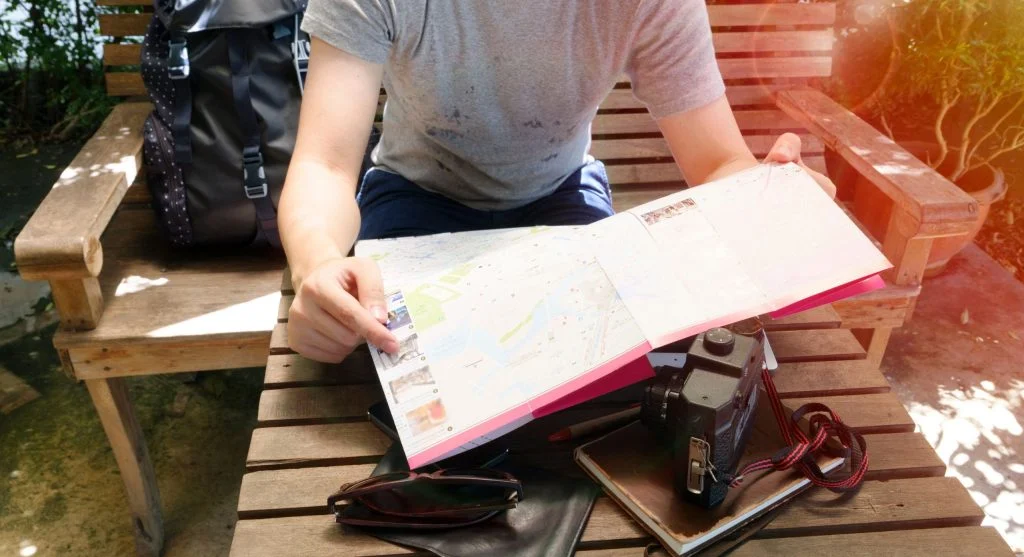
Travel.State.gov says travelers should keep their phone charged and carry a portable battery.
That guidance matters even more for solo travelers because the phone often becomes the map, hotel contact tool, booking record, and emergency backup all at once. A stronger first hour usually begins with a charged device, not with a search for power. Those points are inferences grounded in the same official advice.
4. Keep hotel details easy to reach but not public
Travel.State.gov says travelers should tell someone at home their hotel names and itinerary details while abroad. Its crime guidance also warns travelers not to share hotel information casually with strangers.
This supports a useful solo habit: keep the address and booking confirmation accessible on your phone or in a pouch, but do not say room or lodging details loudly in public. That is an inference based on the official guidance about itinerary sharing and hotel privacy.
5. Carry copies of important documents separately from the originals
Travel.State.gov’s International Travel Checklist says travelers should gather required travel documents, make multiple copies, give one set to a trusted friend or family member, keep one set with them separate from the originals, and take photos of their travel documents using a mobile phone.
This is especially helpful in a new area because the first day often includes more movement, more quick decisions, and more opportunities to misplace something. A backup system makes the new place feel less fragile. Those points are inferences based on the State Department’s document-copy guidance.
6. Share the broad outline of the day with one trusted person
Travel.State.gov says travelers should tell someone at home their itinerary, hotel names, locations they plan to visit, embassy or consulate information, and emergency contacts while abroad. It also recommends joining STEP so the nearest embassy or consulate can reach the traveler or emergency contact in a crisis.
This helps solo travelers feel more grounded because the day’s basics do not exist only in one tired mind or one phone. A shared outline often becomes a quiet form of support. That is an inference based on the official itinerary-sharing and STEP guidance.
7. Let the first loop be small instead of ambitious
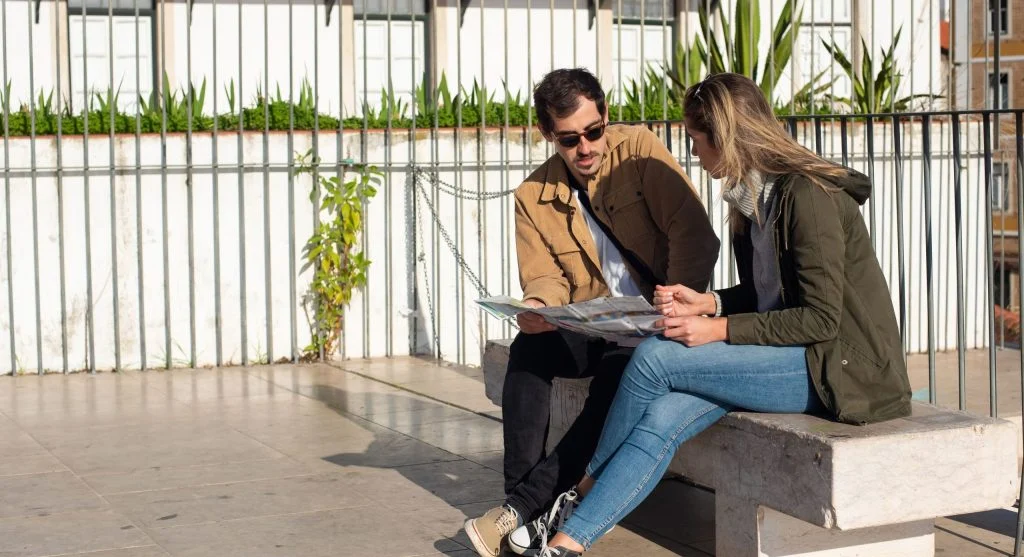
Travel.State.gov’s planning guidance tells travelers to review the International Travel Checklist, check the latest Travel Advisory, and learn about local laws and customs before and during a trip.
That supports one practical solo-travel habit: treat the first walk through a new area as an orientation loop, not a full sightseeing project. A smaller first loop usually gives more useful information than a bigger rushed one. Those points are inferences based on the official emphasis on preparation and destination awareness.
8. Keep one easy return option in mind from the beginning
Travel.State.gov’s crime guidance emphasizes offline maps, charged phones, and shared itinerary basics while abroad. Current destination pages also repeatedly remind travelers to prepare for changes and emergencies before they need them.
That leads to one final habit: when exploring a new area alone, it helps to know one easy way back before wandering farther out. A simple return option often makes the whole area feel easier to enjoy. That is an inference based on the broader official planning and safety guidance.
Frequently Asked Questions
Q: What are the most useful new-area habits for solo travelers?
A: The most useful new-area habits include choosing one first stop, opening the offline map before walking out, checking phone charge, keeping hotel details accessible but private, carrying document copies, sharing the broad plan with a trusted person, and keeping one easy return option in mind.
Q: Why are offline maps so important right after arrival?
A: Travel.State.gov says travelers should download offline map apps so they can navigate without internet connection.
Q: Why should solo travelers keep copies of travel documents?
A: Travel.State.gov says travelers should make multiple copies, keep one set separate from the originals, give one set to a trusted person, and take photos of travel documents on a mobile phone.
Q: Why share the day’s outline with someone at home?
A: Travel.State.gov says travelers should share itinerary details, hotel names, embassy or consulate information, and emergency contacts with someone at home while abroad.
Key Takeaway
Strong new-area habits help solo travelers feel oriented faster after arrival by turning the first hour into a simpler routine. Official guidance supports offline maps, charged phones, document backups, trusted itinerary sharing, and better pre-trip organization. A smoother solo arrival often starts before the first step into the new neighborhood.







Post Comment