8 Beginner Hiking Habits That Help First Trail Days Feel Easier and Safer
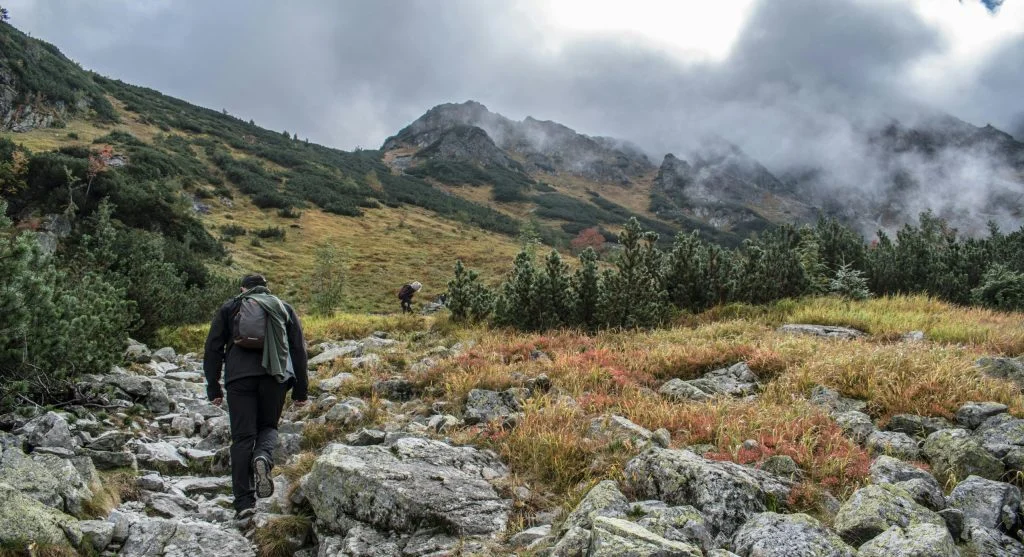
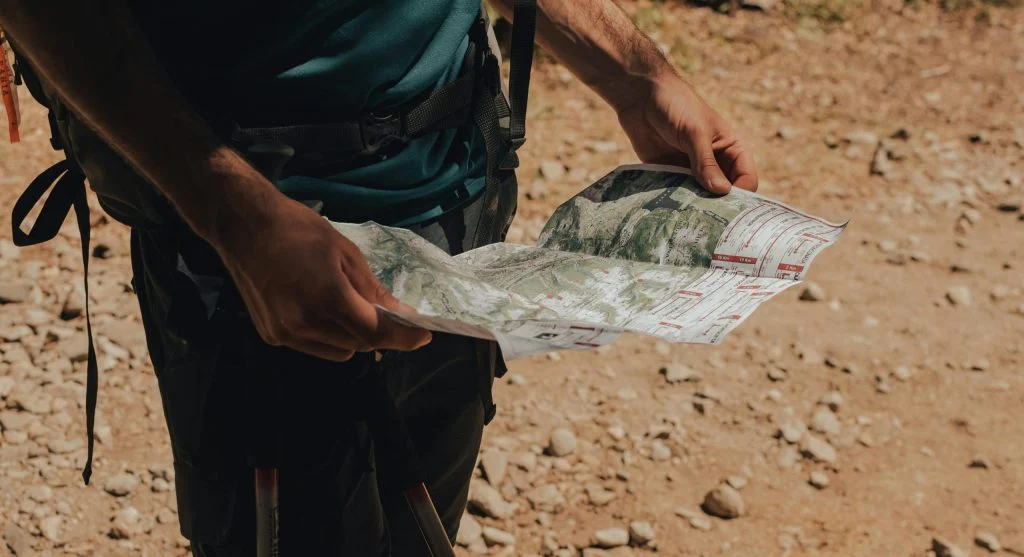
Strong beginner hiking habits can make a first trail day feel much less intimidating. Many new hikers do not run into trouble because they dislike the outdoors. They run into trouble because they choose a trail that is too ambitious, bring the wrong gear, or start the day without a clear plan. The National Park Service says hikers should know their limits, pick the right trail, leave a trip plan, check the weather, and always pack the 10 Essentials.
1. Start with an easier trail than you think you need
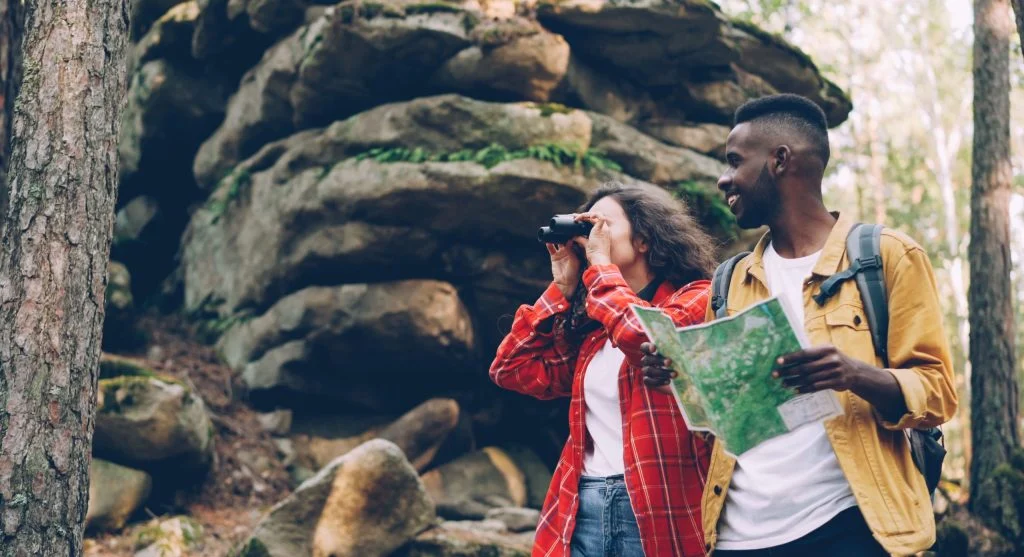
One of the most useful beginner hiking habits is choosing a trail that feels manageable, not impressive. The National Park Service says hikers should not overestimate their abilities and should pick a trail that everyone in the group can complete safely and enjoy. It also says easier trails still offer views, wildlife, and connection with nature.
This matters because a good first hike usually builds confidence for the next one. A difficult first hike often does the opposite.
2. Leave a trip plan with someone who is not going
New hikers often focus on the trail itself and forget the backup plan. The National Park Service says hikers should complete a trip plan with route details, contact information, and expected return timing, then leave it with a trusted friend or family member who is not on the trip. NPS says those details can help search and rescue teams in an emergency.
This is one of the simplest habits on the list because it takes only a few minutes but creates a strong safety layer before the hike begins.
3. Check the weather and keep a simpler backup plan
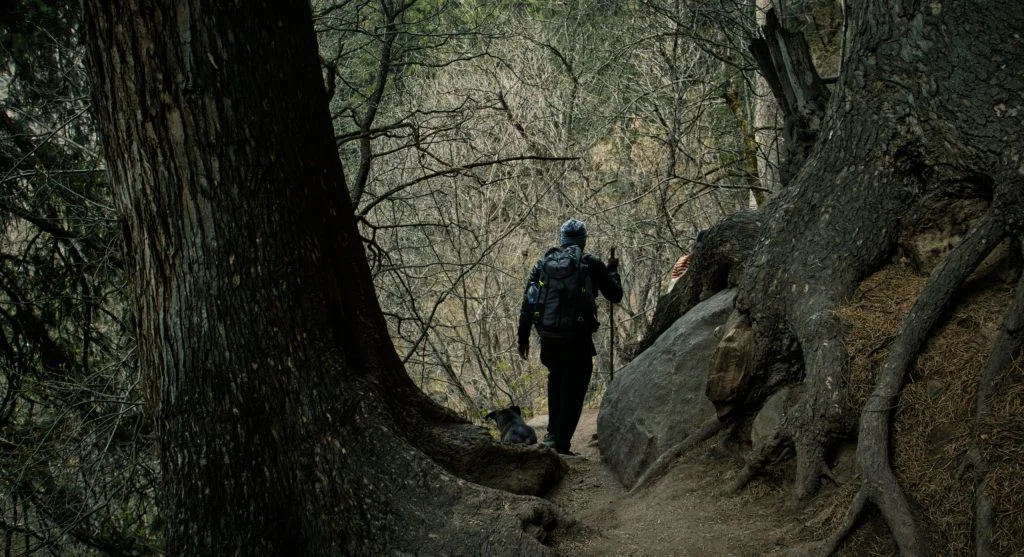
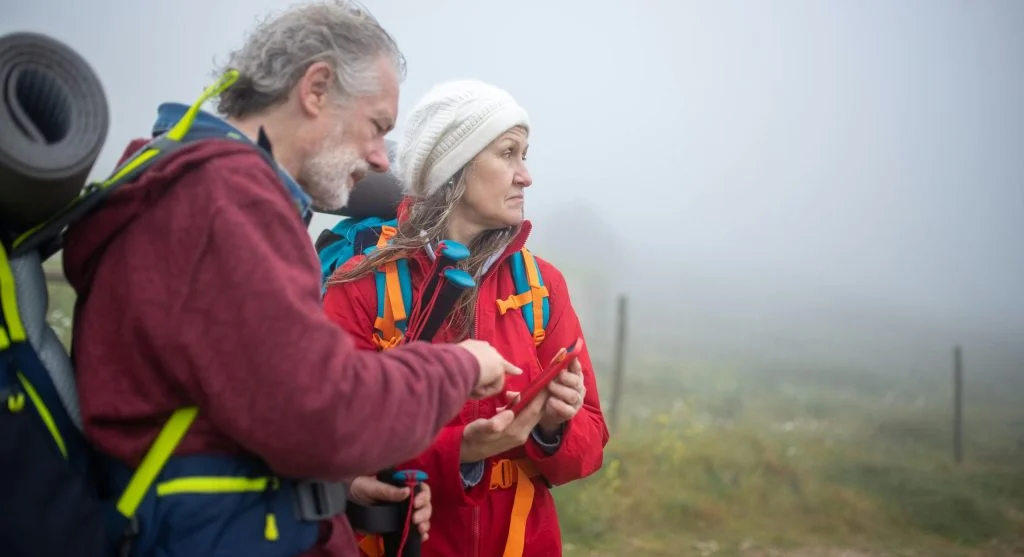
The National Park Service says hikers should check the weather before heading out and have a Plan B ready if conditions are not ideal. It also tells hikers to be ready to seek shelter if severe weather appears.
For beginners, that often means keeping a shorter trail or easier activity in mind. A changed plan is usually better than forcing the original one.
4. Pack the 10 Essentials every time
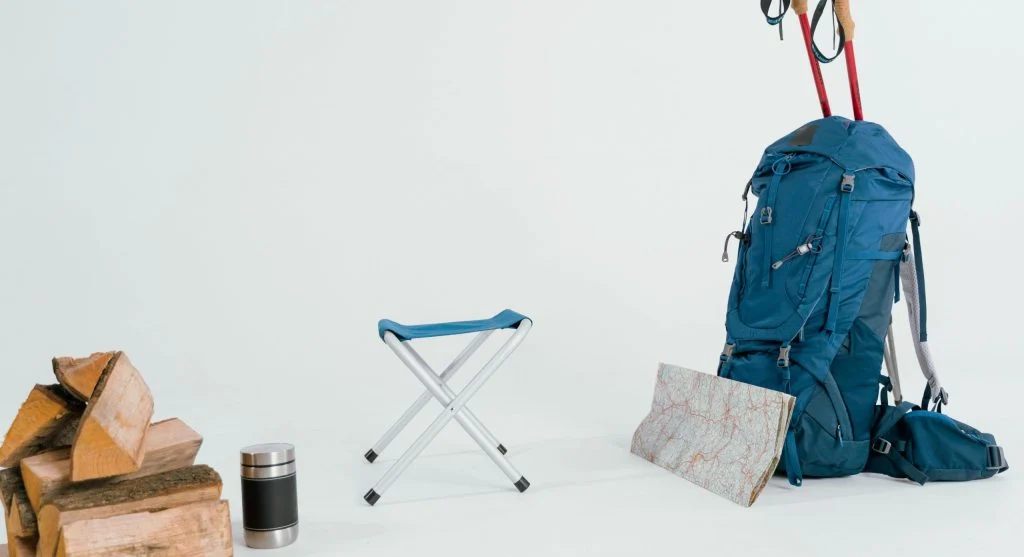
The National Park Service says hikers should always pack the 10 Essentials and describes them as the minimum items everyone should have while recreating outdoors. It also says hikers should carry them even on short sightseeing hikes because they help with weather changes, minor injuries, and unexpected delays.
That makes emergency gear part of a routine, not something only experienced hikers need.
5. Plan water and snacks before you think about pace
NPS says hikers should think about how much water they will need, especially in hot weather, and should plan ahead to prevent dehydration or heat-related illness. It also says hikers should bring food with good nutritional value and even carry an extra day’s supply of food just in case.
That is especially useful for beginners because thirst and low energy can sneak up before they recognize the signs.
6. Let the slowest pace become the right pace
The National Park Service says hikers should let the slowest hiker set the pace, keep the group together, and take breaks often. It also says a good rule of thumb is that if a hiker can talk while walking, the pace is about right.
This is one of the most helpful beginner habits because new hikers often start too fast and feel worn out much earlier than expected.
7. Set a turn-around time before you start walking
NPS says hikers should keep track of time and distance, remember that total hike time includes the return trip, and set a turn-around time if the trip is taking longer than planned. It says hikers should stick to that time so they do not get stuck outside in the dark.
This works well for beginners because it removes one of the hardest trail decisions from the tiredest part of the day.
8. Review the hike when you get back
Leave No Trace says travelers should evaluate their trip upon return and note changes they will make next time. It also says planning ahead and preparing helps people match the trip to their goals, skills, and abilities.
That habit helps beginners improve quickly. A short review of the trail choice, water needs, pace, and gear can make the next hike feel much easier.
Frequently Asked Questions
Q: What are the most useful beginner hiking habits?
A: The most useful beginner hiking habits include choosing an easier trail, leaving a trip plan, checking the weather, packing the 10 Essentials, planning water and food, and setting a turnaround time.
Q: Do new hikers really need the 10 Essentials?
A: Yes. The National Park Service says hikers should always pack the 10 Essentials, even on short sightseeing hikes.
Q: Why should beginners start with easier trails?
A: NPS says hikers should not overestimate their abilities and should choose a trail the group can safely complete and enjoy.
Q: Why is reviewing the hike afterward useful?
A: Leave No Trace says travelers should evaluate the trip upon return and note changes they will make next time.
Key Takeaway
Strong beginner hiking habits help first trail days feel easier and safer by turning route choice, weather checks, pacing, and gear into a repeatable system. Official guidance supports picking trails that match ability, packing the 10 Essentials, leaving a trip plan, and reviewing the day afterward. A better first hike usually starts with simpler choices, not harder ones.









Post Comment