8 Airport Morning Habits That Help Travelers Feel More Ready Before Leaving Home
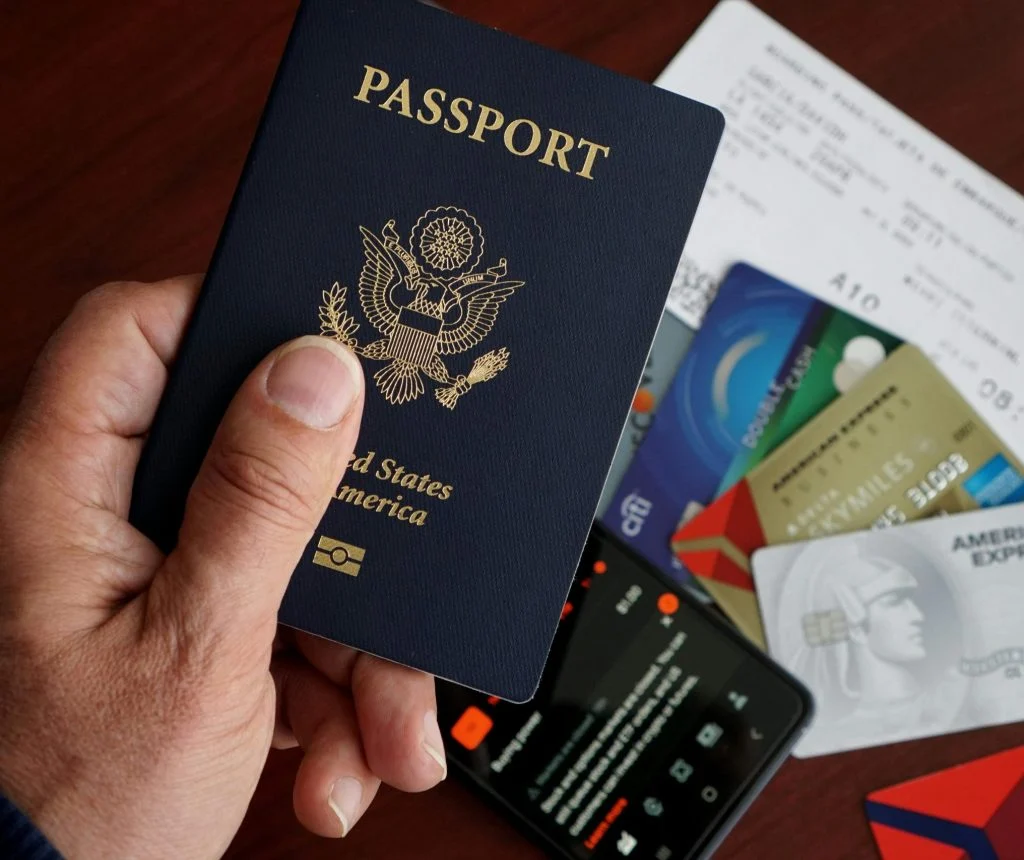
Strong airport morning habits can make travel day feel much easier before the traveler even reaches the terminal. Official guidance from TSA, the U.S. Department of Transportation, and Travel.State.gov all points toward the same idea: many airport problems become smaller when travelers organize their bags, documents, and booking details before leaving home.
1. Start with an empty carry-on before packing again
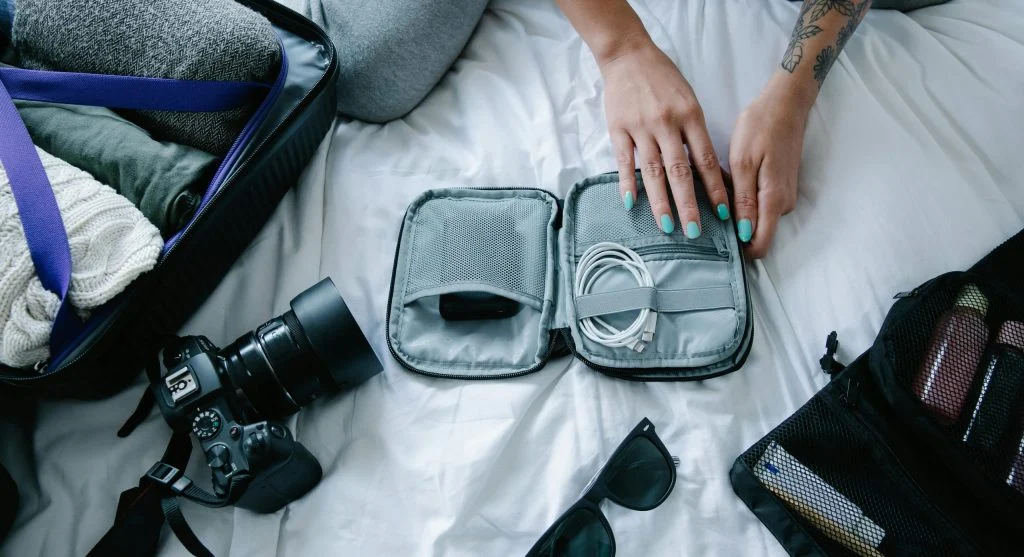
One of the most useful airport morning habits is checking that the bag is really empty before a new trip. TSA’s travel checklist says travelers should start with an empty bag and make sure pockets and compartments do not still contain items from an earlier trip.
This matters because forgotten items can create avoidable screening delays. A cleaner starting point usually makes the rest of packing easier to manage. That second sentence is an inference based on TSA’s checklist guidance.
2. Keep all important documents in one reliable place
Documents create a surprising amount of stress when they are buried too deeply or split between bags. Travel.State.gov’s International Travel Checklist says travelers should organize important travel documents before departure, including a valid passport, a visa when needed, medications, and traveling-with-children paperwork. It also says some countries may require a visa or electronic travel authorization and that child travelers may need legal documents or a notarized permission letter.
A document pouch or one dependable carry-on pocket usually works better than storing these essentials in several different places. That is an inference grounded in the checklist’s emphasis on organizing travel documents early.
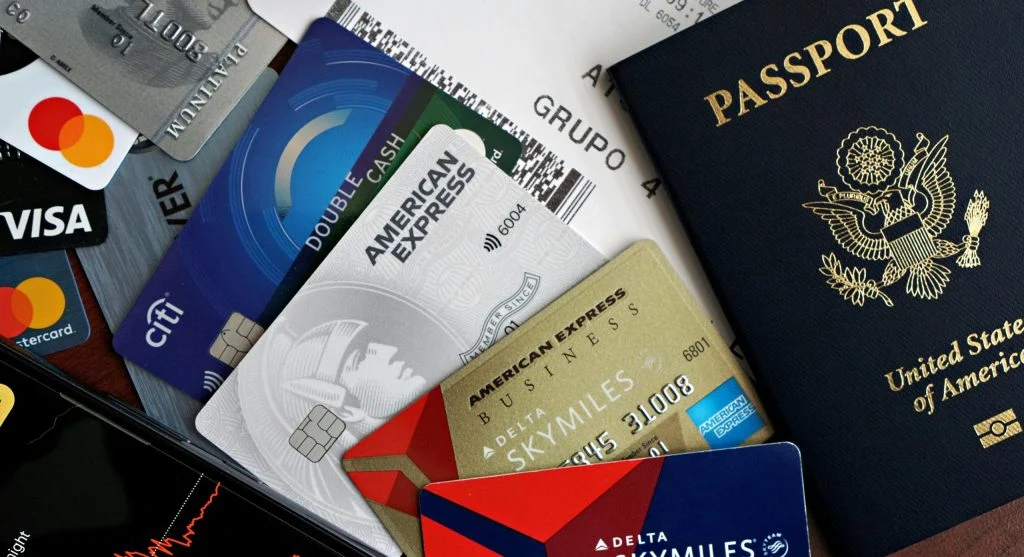
3. Pack liquids for screening, not just for space
TSA says liquids, aerosols, gels, creams, and pastes in carry-on bags must be in containers of 3.4 ounces, or 100 milliliters, or less, and recommends placing the 3-1-1 liquids bag in an easy-to-access part of the carry-on. TSA also says larger quantities over that limit should generally go in checked baggage unless they are medically necessary.
This often helps travelers move through security more smoothly because the items that matter most are already easy to reach. That practical takeaway is an inference based on TSA’s liquids and checklist guidance.
4. Keep larger electronics accessible
TSA’s travel checklist says travelers should pack large electronics on the top layer of the carry-on for screening accessibility. The same guidance is repeated in TSA’s checklist PDF.
That makes one practical habit very clear: pack for access, not only for tight compression. This is an inference based on TSA’s screening-access guidance.
5. Review baggage fees and ticket restrictions before you leave
Many travel-day frustrations begin long before security. DOT’s ticket-buying guidance says the top issues travelers should review include comparing ticket prices, restrictions on tickets, optional services, baggage fees, and cancelling or refunding a ticket within 24 hours of booking.
A better morning routine often includes checking whether the bag plan still fits the ticket the traveler actually bought. That is an inference based on DOT’s warning that baggage fees and ticket restrictions are core parts of the booking decision.
6. Put medicine near the top of the plan, not at the bottom
Travel.State.gov’s checklist includes medications among the important items travelers should organize before departure. It also says travelers should review destination guidance for entry, exit, visa, and other travel requirements before leaving.
This is one of the most practical flight-day habits because medication can become important very quickly on a delayed or complicated travel day. That second sentence is an inference based on the State Department’s advice to organize medications as part of core travel documents and needs.
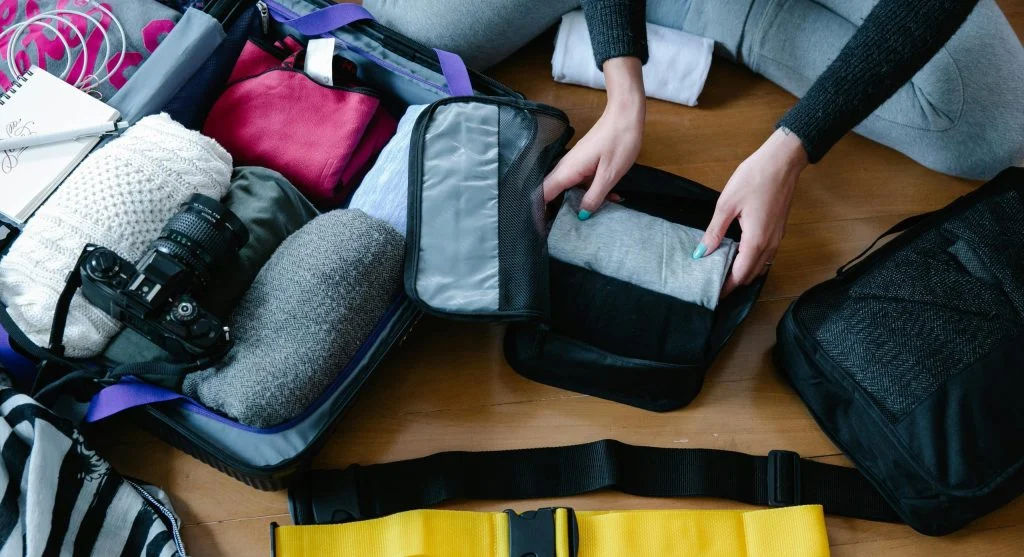
7. Use a short checklist instead of memory alone
TSA provides a travel checklist for bag organization and screening basics, while Travel.State.gov provides an International Travel Checklist covering passports, visas, medications, and child-travel paperwork. Together, those official pages support using a repeatable checklist instead of depending only on memory.
A simple routine often works best because it lowers the chance that one small missed detail turns into a bigger airport problem. That conclusion is an inference based on the structure of both official checklists.
8. Do one final review before walking out the door
TSA’s travel checklist, DOT’s ticket-buying guidance, and Travel.State.gov’s international checklist all emphasize preparation before travel rather than correction under pressure. A short final review of passport or ID, boarding details, bag rules, medication, and carry-on setup is a practical way to turn that official guidance into a real habit.
That last review often catches the small mistakes that feel much bigger once the traveler is already on the way to the airport. This is an inference based on the combined guidance from TSA, DOT, and Travel.State.gov.
Frequently Asked Questions
Q: What are the most useful airport morning habits?
A: The most useful airport morning habits include starting with an empty bag, keeping documents together, packing liquids for screening, keeping electronics accessible, and reviewing ticket rules before leaving home.
Q: What does TSA say about liquids in carry-on bags?
A: TSA says liquids, aerosols, gels, creams, and pastes in carry-on bags must be in containers of 3.4 ounces, or 100 milliliters, or less, and should follow the 3-1-1 rule.
Q: Why should travelers check baggage fees before the airport?
A: DOT says baggage fees are one of the top issues travelers should review before travel, and its consumer guidance notes that many airlines charge extra for baggage and other services.
Q: What should international travelers review before packing a carry-on?
A: Travel.State.gov says travelers should review passport validity, visa or electronic travel authorization needs, medications, and any child-related travel documents before departure.
Key Takeaway
Strong airport morning habits help travelers feel more ready before leaving home by turning important details into simple routines. Official guidance supports starting with an empty bag, organizing documents, packing liquids and electronics for screening, and reviewing ticket rules before airport day begins. A smoother airport experience usually starts at home, not at the checkpoint.









Post Comment