8 Hotel Check-In Habits That Help Solo Travelers Feel More Settled in a New Place
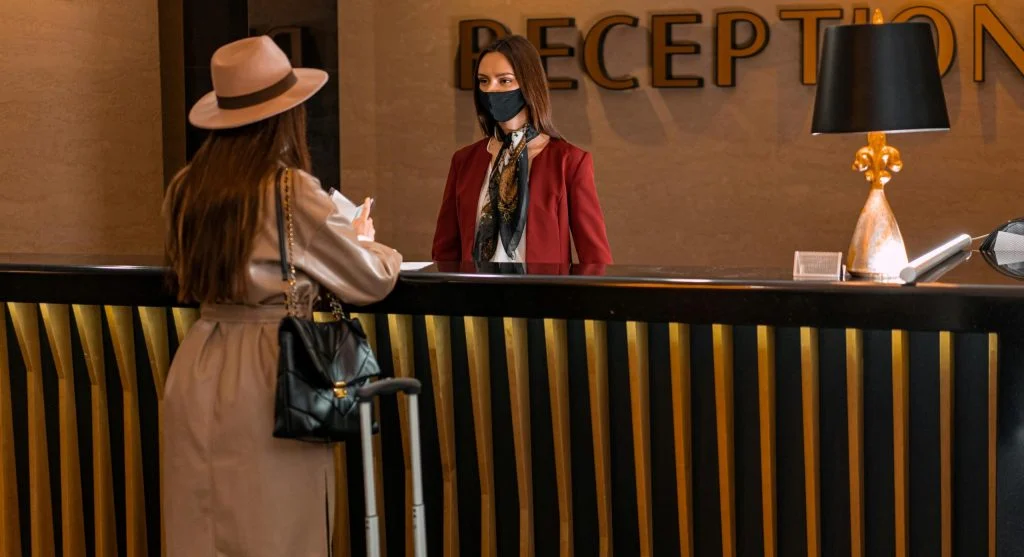
Strong hotel check-in habits can make solo travel feel easier from the first hour in a new place. Travel.State.gov says travelers should research hotels and read reviews for safety concerns, book accommodations before travel, avoid telling strangers where they are staying, secure keys and IDs, and lock doors and windows when they are in the room.
1. Research the hotel before the trip, not after arrival
One of the most useful hotel check-in habits is choosing lodging carefully before the trip begins. Travel.State.gov says travelers should research hotels and read reviews for safety concerns, and its lodging-safety page says travelers should check crime rates near the lodging area and consider properties with 24-hour lobby service, gates, or security guards.
This matters even more for solo travelers because the first night usually feels easier when the arrival point already feels predictable and well-chosen. That second sentence is an inference based on the State Department’s hotel-research and lodging-safety guidance.
2. Book before you travel instead of arriving without a plan
Travel.State.gov’s crime-prevention guidance says travelers should book accommodations before they travel and warns that arriving without a plan can make them more vulnerable.
For solo travelers, this is one of the strongest arrival habits because it removes one of the biggest first-hour decisions from the most tired part of the journey. That practical benefit is an inference based on the official guidance.
3. Choose lodging near transport and important services
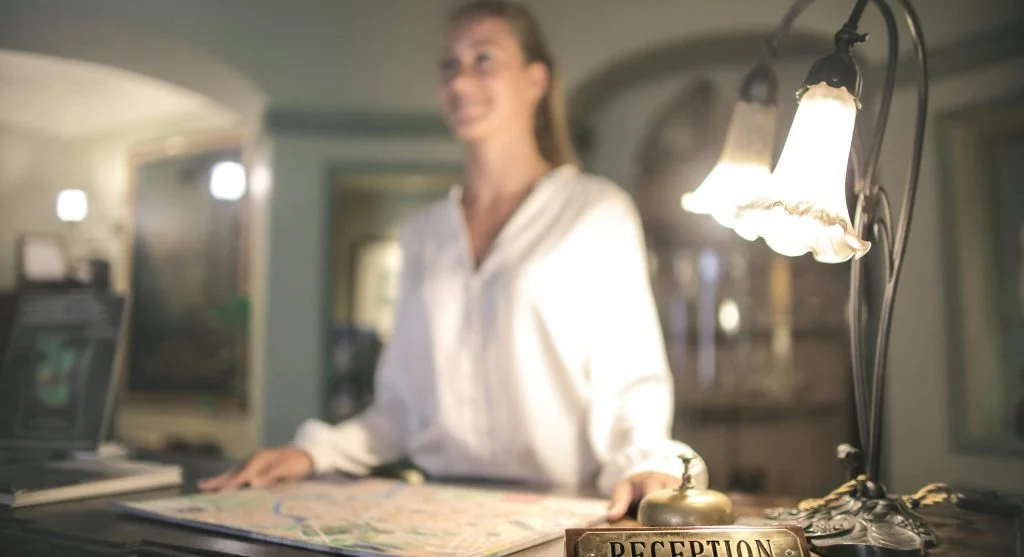
Travel.State.gov’s lodging-safety page says travelers should try to stay near public transportation and important services.
This often helps solo travelers feel more settled because the first day becomes easier when the area around the hotel is practical, not only attractive online. That second sentence is an inference grounded in the official lodging-safety guidance.
4. Keep the room number and hotel details private
Travel.State.gov’s crime guidance says travelers should not tell strangers where they are staying.
That supports a simple hotel habit: treat room details and lodging information as private information, not casual public conversation. This is an inference based directly on the State Department’s advice not to tell strangers where you are staying.
5. Secure your key, ID, and essentials as soon as you arrive
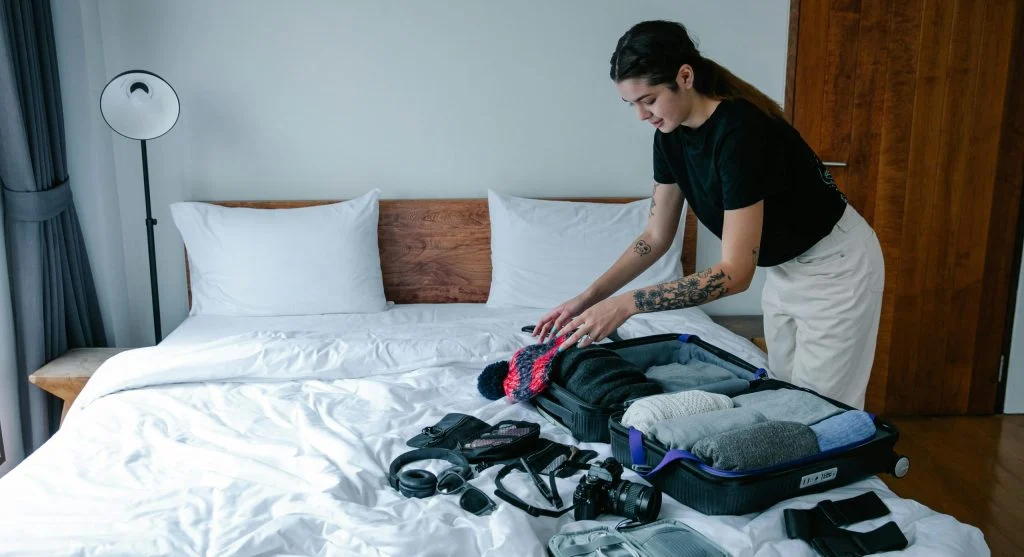
Travel.State.gov says travelers should secure their keys, IDs, and personal items.
This is one of the best solo-travel arrival habits because the first minutes in a room can feel rushed. A simple routine for passport, wallet, phone, and keycard often makes the stay feel more organized right away. That second sentence is an inference based on the official advice to secure keys, IDs, and personal items.
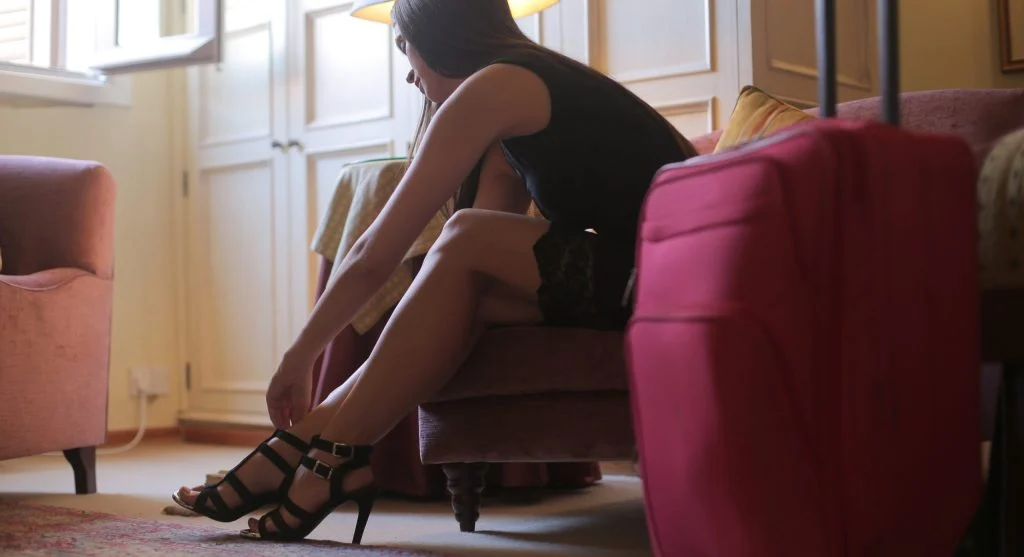
6. Lock the room and treat the first few minutes like a reset
Travel.State.gov says travelers should lock doors and windows when they are in their hotel room. :contentReference[oaicite:11]{index=11}
That makes one strong check-in habit very simple: once inside the room, secure the space before unpacking, messaging people, or lying down to rest. This is an inference based on the State Department’s room-security guidance. :contentReference[oaicite:12]{index=12}
7. Meet visitors in the lobby, not in your room
Travel.State.gov’s lodging-safety page says travelers should always meet new visitors or strangers in the public lobby, not in their room. It also says travelers should contact the front desk immediately if they see suspicious activity.
This is especially useful for solo travelers because public-space interaction usually keeps boundaries clearer and the stay more predictable. That second sentence is an inference grounded in the official lodging-safety guidance.
8. Treat the first evening like a settling-in routine, not a rush
Travel.State.gov’s broader guidance emphasizes planning ahead, keeping important details secure, and using safer lodging habits from the moment travelers arrive.
That points to one final habit for solo travelers: let the first evening be about getting settled, understanding the room, and feeling oriented, rather than adding unnecessary pressure right after arrival. This is an inference based on the official crime-prevention and lodging-safety guidance.
Frequently Asked Questions
Q: What are the most useful hotel check-in habits for solo travelers?
A: The most useful hotel check-in habits include researching the property in advance, booking before the trip, staying near transport and important services, keeping hotel details private, securing keys and IDs, locking the room, and meeting strangers in the lobby instead of the room.
Q: Why should solo travelers book accommodations before they arrive?
A: Travel.State.gov says travelers should book accommodations before they travel and warns that arriving without a plan can make them more vulnerable.
Q: Why should travelers stay near transport and important services?
A: Travel.State.gov’s lodging-safety page says travelers should try to stay near public transportation and important services.
Q: Should solo travelers meet new visitors in their hotel room?
A: No. Travel.State.gov says travelers should meet new visitors or strangers in the public lobby, not in their room.
Key Takeaway
Strong hotel check-in habits help solo travelers feel more settled in a new place by turning arrival into a calmer routine. Official guidance supports researching lodging, booking before travel, keeping hotel details private, securing keys and IDs, locking the room, and using the lobby for unfamiliar visitors. Solo travel often feels easier when the first hotel hour is organized instead of rushed.







Post Comment