8 Sunrise Hike Habits That Help Outdoor Travelers Start Trail Days More Smoothly
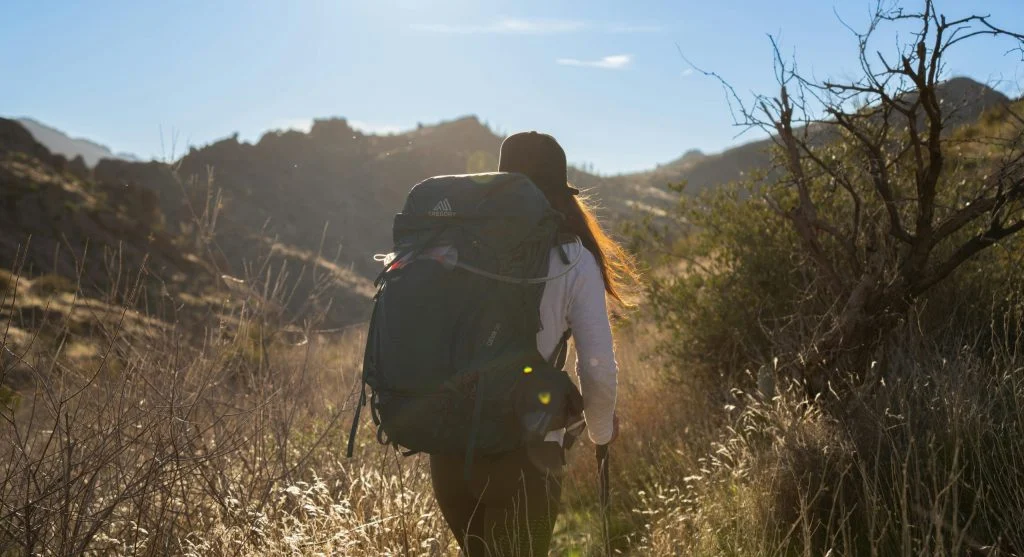
Strong sunrise hike habits can make an early trail day feel calmer long before the first step. The National Park Service says hikers should plan ahead, check the weather, choose the right trail, and always pack the 10 Essentials, while NOAA says hikers should avoid times when thunderstorms are possible, which often develop later in the day.
1. Build the whole hike around the early start, not just the alarm
One of the most useful sunrise hike habits is planning the full morning before going to sleep. An early trail start usually works better when hikers already know the route, parking plan, first walking direction, and turn-around idea. NPS says the best way to have a safe hike is to plan ahead and choose a trail that fits the group’s abilities.
This matters because sunrise hikes often feel hardest in the first few minutes, when everything is dark, quiet, and less familiar than it will feel later. That second sentence is an inference based on NPS guidance about advance planning. :contentReference[oaicite:2]{index=2}
2. Check weather the night before and again before leaving
NOAA says outdoor activities can become dangerous because of weather hazards, and it specifically advises hikers to schedule day hikes to avoid times when thunderstorms are possible, which typically form in the late afternoon. NOAA also warns there are no safe places outdoors during a lightning storm.
This makes weather one of the most important sunrise habits. An early start can be useful, but it only helps when the forecast still supports the plan. That final point is an inference based on NOAA’s official outdoor weather guidance.
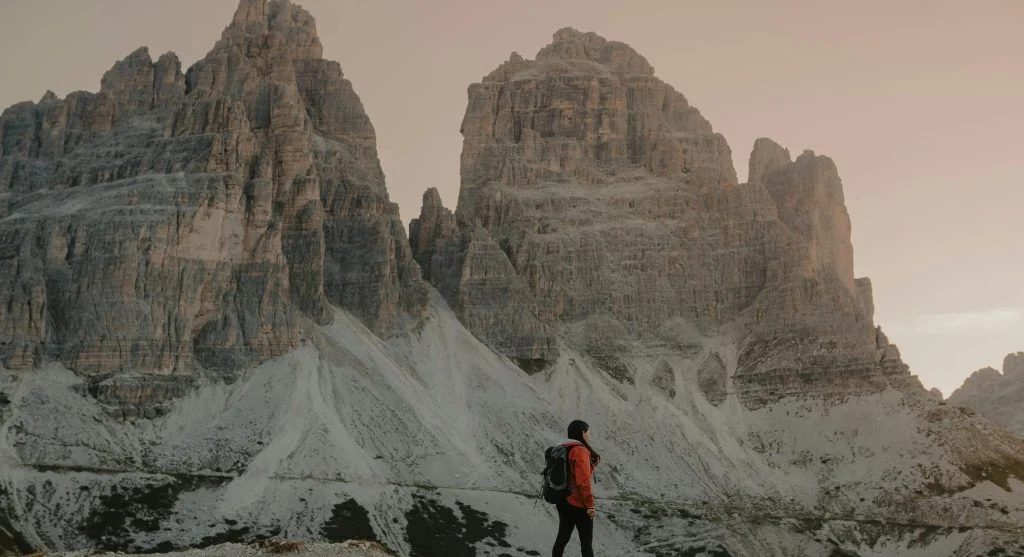
3. Pack the Ten Essentials even for a short early hike
The National Park Service says the 10 Essentials are a collection of first-aid and emergency items that help in minor injuries, sudden weather changes, or unexpected delays, and it says hikers should carry them even on short sightseeing hikes.
This matters even more for sunrise starts because an early trail often begins with less light, fewer people around, and less room for rushed decisions. That second sentence is an inference based on the NPS description of why the 10 Essentials matter.
4. Keep light sources easy to reach, not buried deep in the bag
Early starts usually mean at least part of the trail begins in dim light or darkness. NPS says hikers should always pack the 10 Essentials, and that collection includes illumination as part of emergency readiness.
A simple sunrise habit is keeping a headlamp or flashlight where it can be reached immediately. That way, the first minutes of the trail feel organized instead of rushed. This is an inference grounded in the official Ten Essentials guidance.
5. Plan water and food before the trail feels cool and easy
NPS hiking guidance says hikers should think about how long they will be out, bring enough water, and bring food with good nutritional value. Shenandoah National Park’s hiking basics page also says hikers should bring water and plan on one snack per person per hour.
This is important because sunrise hikes can feel cooler and easier at the start, which sometimes makes hikers underestimate what they will need later. That second sentence is an inference based on NPS guidance about food, water, and duration.
6. Set a turn-around time before the sky fully brightens
The National Park Service says hikers should keep track of time and distance, remember that total hike time includes both the way out and the return, and set a turn-around time if the trip is taking longer than planned.
This is one of the strongest sunrise habits because early starts can create false confidence. A trail that begins smoothly can still become slower, hotter, or more tiring later. That second sentence is an inference based on NPS guidance about timing and turn-around rules.
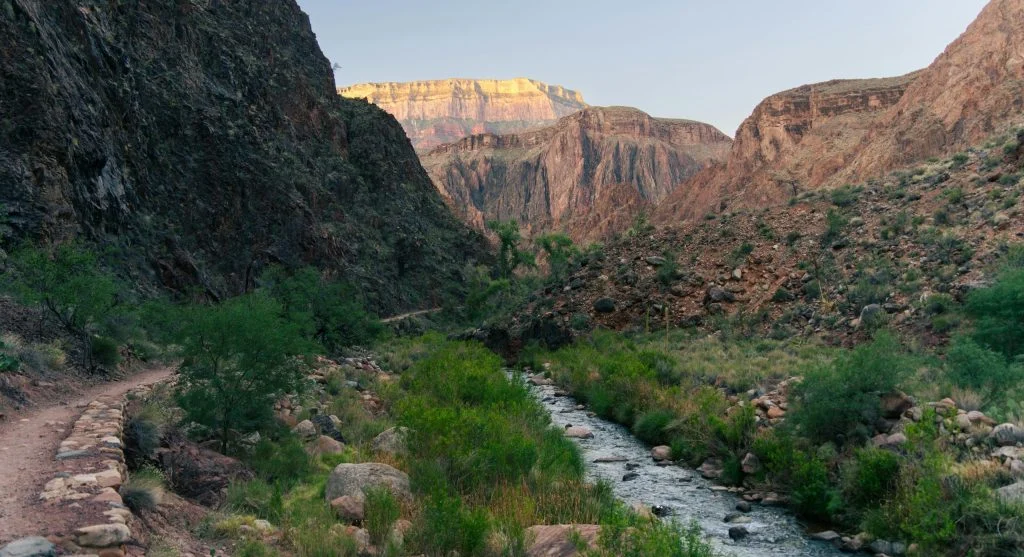
7. Tell someone the route before leaving home
Mount Rainier National Park says hikers should always tell someone their travel plans so that person can notify the park if they fail to return. NPS trip-planning guidance also points hikers to a trip plan template and emergency planning tools.
This is especially useful for sunrise hikes because they often begin before most daily communication starts. A shared route plan creates a backup even when the trail begins very early. The second sentence is an inference based on the official trip-planning guidance.
8. Review the hike afterward and adjust the next early start
Leave No Trace says travelers should evaluate their trip upon return and note changes they will make next time.
This habit often improves sunrise hikes more than people expect. A short review of start time, gear access, light use, food, pacing, and weather choices can make the next early trail day smoother and safer. That is an inference based on Leave No Trace guidance to evaluate and improve future trips.
Frequently Asked Questions
Q: What are the most useful sunrise hike habits?
A: The most useful sunrise hike habits include planning the early start the night before, checking weather twice, packing the 10 Essentials, keeping light sources easy to reach, setting a turn-around time, and sharing the route with someone trusted.
Q: Do hikers really need the Ten Essentials on short sunrise hikes?
A: Yes. The National Park Service says hikers should carry the 10 Essentials even on short sightseeing hikes because they help with injuries, weather changes, and unexpected delays.
Q: Why is weather so important for sunrise hikes?
A: NOAA says thunderstorms often develop later in the day and that hikers should schedule day hikes to avoid those times when possible.
Q: Why should hikers review the trip after coming back?
A: Leave No Trace says travelers should evaluate their trip upon return and note changes they will make next time.
Key Takeaway
Strong sunrise hike habits help outdoor travelers start trail days more smoothly by turning early-morning planning into a repeatable system. Official guidance supports planning ahead, checking weather, carrying the 10 Essentials, setting turn-around times, and reviewing the trip afterward. A smoother sunrise hike usually begins the night before.










Post Comment