8 Confirmation-Check Habits That Help Travelers Catch Small Mistakes Before They Matter
 Credit: nappy / Pexels
3: Check baggage rules before packing feels finished
DOT says airlines may charge extra or apply restrictions for overweight and oversized baggage, and that these details should appear on the carrier’s baggage policies or optional services pages. DOT’s consumer pages also list baggage fees as one of the main issues travelers should review before a trip.
This is one of the strongest pre-trip habits because a bag can look fully packed and still not match the ticket rules. A quick check of the baggage policy can often prevent costly or stressful surprises at the counter. That is an inference based on DOT’s baggage-fee and restriction guidance.
4: Confirm entry requirements close to departure
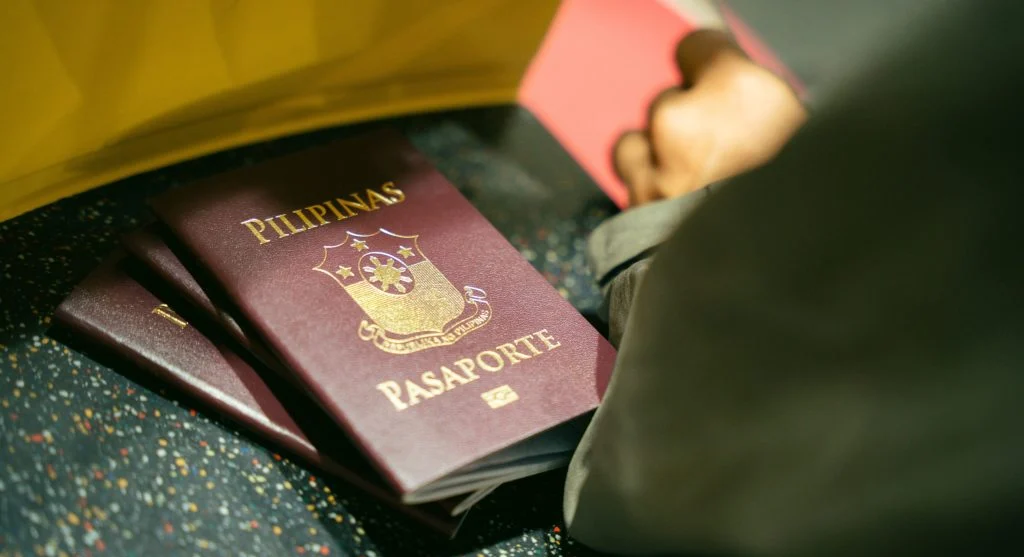
Travel.State.gov says some countries require a visa or electronic travel authorization for entry. It advises travelers to check with the foreign embassy of their destination and review the Entry, Exit, and Visa Requirements section in the destination guidance. It also notes that travelers with children may need custody documents or a notarized permission letter in some situations.
This matters because travel rules do not only affect the first booking step. A trip can look simple on paper while still depending on one missed entry requirement. Checking closer to departure often makes the whole journey feel more secure. That is an inference based on the State Department’s checklist and destination-guidance structure.
5: Review carry-on details with screening in mind
TSA says liquids, aerosols, gels, creams, and pastes in carry-on bags must follow the 3-1-1 rule. Its travel checklist also says the liquids bag should be easy to access, while large electronics should be packed in a way that makes screening easier.
This helps because carry-on organization is not only about making everything fit. It is also about how easily the bag can move through the screening process. A confirmation check done with the checkpoint in mind often works better than one focused only on packing space. That is an inference based on TSA’s screening-access guidance.
6: Recheck medication details before the last bag zip
Travel.State.gov’s checklist says travelers should organize medications before departure, and its guidance notes that some countries have special rules or permission requirements for certain medicines. It also advises travelers to pack enough medicine for the trip and keep medicines in original, labeled containers.
This supports one smart confirmation habit: medication should be reviewed before the bag is considered finished. A trip often feels easier when health-related details are checked with the same care as tickets and documents. That is an inference based on the State Department’s medication guidance.
 Credit: DΛVΞ GΛRCIΛ / Pexels
7: Use one short written checklist instead of memory
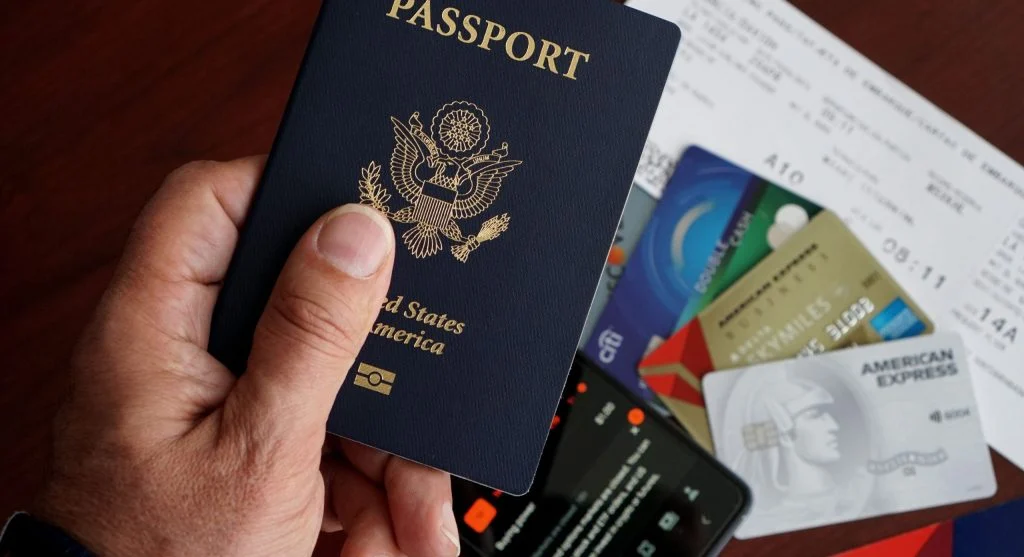
TSA provides a travel checklist, while Travel.State.gov offers an International Travel Checklist that covers passports, visas, medications, and child-travel paperwork. Taken together, these official resources support the habit of using a simple, repeatable checklist instead of relying only on memory.
This matters because many pre-trip mistakes are ordinary slips, not major failures. A checklist helps catch the items that seem too obvious to forget until they actually get missed. That is an inference based on how both agencies present travel preparation as a step-by-step review rather than guesswork.
8: Do one final quiet review after packing feels done
TSA’s checklist, Travel.State.gov’s checklist, and DOT’s travel-consumer pages all point to the same basic idea: preparation works best before the stressful part of travel begins.
That is why one final quiet review can help more than constant rechecking throughout the day. A traveler who pauses once to confirm tickets, names, documents, baggage rules, carry-on setup, and medication usually moves forward with more confidence. That is an inference based on the combined logic of the official guidance above.
Frequently Asked Questions
Q: What are the most useful confirmation-check habits before a trip?
A: The most useful confirmation-check habits include reviewing the booking name, checking the full departure plan, confirming baggage rules, rechecking entry requirements, reviewing carry-on screening details, and doing one final written-checklist review before departure.
Q: Why should travelers review baggage rules before the trip starts?
A: DOT says airlines may have extra restrictions and charges for oversized or overweight baggage and advises travelers to check those policies before travel.
Q: What does TSA say about carry-on liquids and electronics?
A: TSA says carry-on liquids must follow the 3-1-1 rule and that large electronics should be packed for easy screening access.
Q: Why should travelers recheck visas or entry permissions close to departure?
A: Travel.State.gov says some countries require a visa or electronic travel authorization and advises travelers to review destination-specific entry and exit requirements before travel.
Key Takeaway
Strong confirmation-check habits help travelers spot small mistakes before they become serious by turning tickets, documents, baggage rules, and carry-on setup into a short, repeatable review. Official guidance supports checking important details before departure instead of trying to fix them under pressure. A calmer trip often begins with one better check.














Post Comment