What First-Time Visitors Should Know About Amsterdam Before They Go
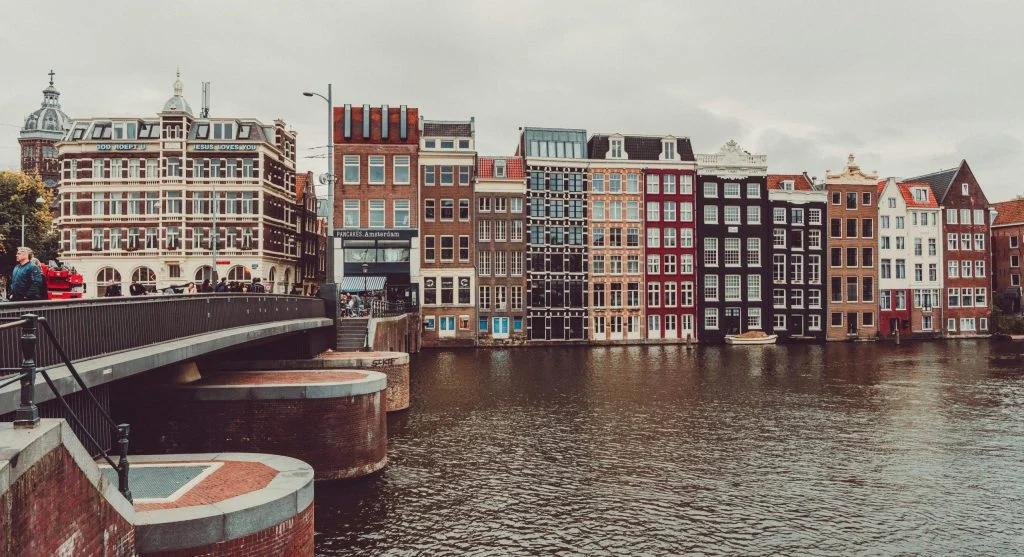
A practical Amsterdam travel guide should help first-time visitors understand that the city works best when the trip is built around public transport, neighborhoods, and a realistic daily pace. I amsterdam says public transport is one of the easiest ways to get around, and its city guides present Amsterdam as a collection of distinct neighborhoods rather than one single sightseeing zone.
Why an Amsterdam travel guide should start with transport
One of the most useful first-day lessons is that transport shapes the whole trip. I amsterdam’s transport pages explain that Amsterdam has metro, tram, bus, train, and ferry connections, and that the metro links the city and wider region.
This matters because hotel choice, sightseeing pace, and daily energy often depend on how easily travelers can move between areas. A place that looks attractive online may feel less practical if it creates repeated long transfers every day. That final point is an inference based on the official transport guidance.
What first-time visitors should know about tickets
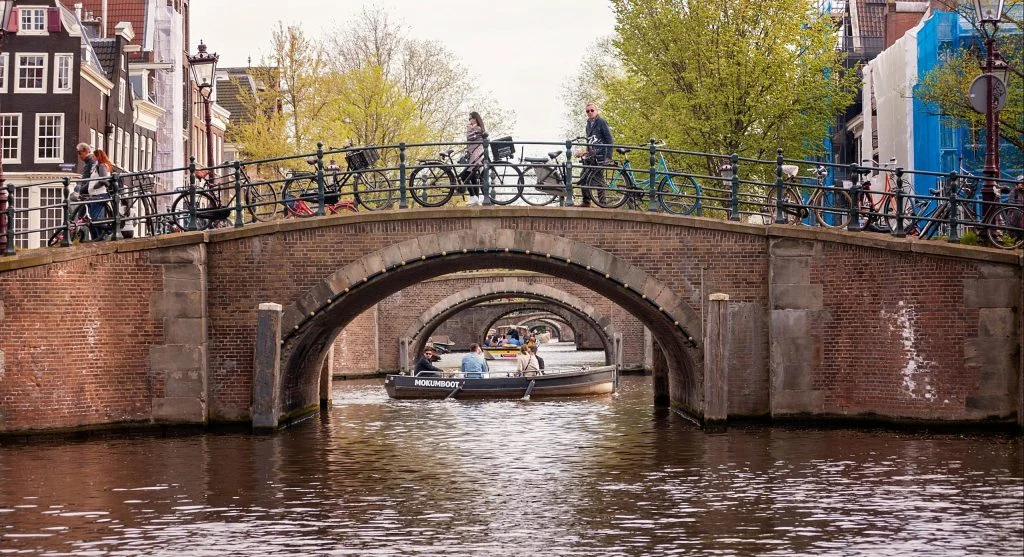
I amsterdam says GVB day and multi-day travel tickets provide unlimited travel on all GVB routes, regardless of distance, day or night. It also says the Amsterdam & Region Travel Ticket offers unlimited use of tram, bus, metro, and train services in Amsterdam and the wider region.
This is useful because a simple ticket plan often makes the city feel easier from the start. Travelers usually waste less time when they understand how they plan to move around before the first full sightseeing day begins. That is an inference based on the official ticket guidance.
Why first-time visitors should think in neighborhoods, not only landmarks
A strong Amsterdam travel guide should encourage visitors to think in neighborhoods instead of one long attraction list. I amsterdam presents Amsterdam through different areas and notes, for example, that Amsterdam Noord sits across the IJ and is reached by a free ferry from behind Central Station.
This matters because Amsterdam often feels more enjoyable when travelers choose one main area for the morning and one nearby area later in the day. A neighborhood-based plan usually leaves more room for canal walks, cafés, markets, and smaller discoveries between major sights. That is an inference based on the official neighborhood presentation.
What first-time visitors should know about city cards
I amsterdam says the City Card includes access to more than 70 museums and attractions and also includes ways to get around the city, such as public transport, canal cruises, and bike rental depending on the included activities. It also notes that the card activates on first use.
This can be helpful for first-time visitors who want a simpler structure instead of buying every part of the trip separately. That is an inference based on the official card description.
Why practical visitor basics matter in Amsterdam
I amsterdam’s visitor information pages collect practical trip essentials such as getting around, accessibility, and other useful advice before arrival. Its downloadable city map also covers neighborhoods, walking routes, museums, attractions, and major sights.
This matters because first-time visitors usually enjoy a city more when they understand the daily basics before arrival instead of learning them under pressure. That conclusion is an inference based on the official visitor-information pages.

What first-time visitors should know about sightseeing pace
I amsterdam highlights attractions, canal cruises, museums, walking routes, and neighborhood discovery instead of presenting the city as one rushed checklist.
That suggests Amsterdam is usually more rewarding when travelers leave room to slow down. A lighter plan often works better than trying to fit too many major sights into one day. This is an inference based on the way the official tourism site presents the city.
How first-time visitors can plan a smoother Amsterdam trip
The most effective first Amsterdam trip is often a simple one. Travelers can choose a few priority neighborhoods, use public transport for longer moves, and leave enough room for walking, canal views, and slower discovery. That approach matches the way I amsterdam presents the city through transport tools, visitor information, maps, and neighborhood-based exploration.
Frequently Asked Questions
Q: Is Amsterdam good for first-time international travelers?
A: Many first-time visitors find Amsterdam manageable because the official tourism site highlights strong transport options, practical visitor information, and city maps that organize neighborhoods and major sights clearly.
Q: What matters most in an Amsterdam travel guide?
A: Transport, tickets, neighborhood planning, and realistic daily pacing are among the most useful basics. These are strongly supported by I amsterdam’s official planning pages.
Q: Should first-time visitors use public transport in Amsterdam?
A: Yes. I amsterdam says public transport is one of the easiest ways to get around, and its guides explain metro, bus, tram, train, and regional ticket options.
Q: What ticket is useful for central Amsterdam and the wider region?
A: I amsterdam says the Amsterdam & Region Travel Ticket offers unlimited public transport by bus, tram, train, and metro in Amsterdam and the surrounding area.
Key Takeaway
A good Amsterdam travel guide helps first-time visitors focus on transport, tickets, neighborhoods, and a realistic daily pace. Official tourism information suggests the city is easiest to enjoy when travelers use public transport for longer moves, explore by area, and leave room for slower canal and neighborhood discovery.














Post Comment