8 Photo Courtesy Habits That Help Travelers Take Better Pictures Without Disrupting Others
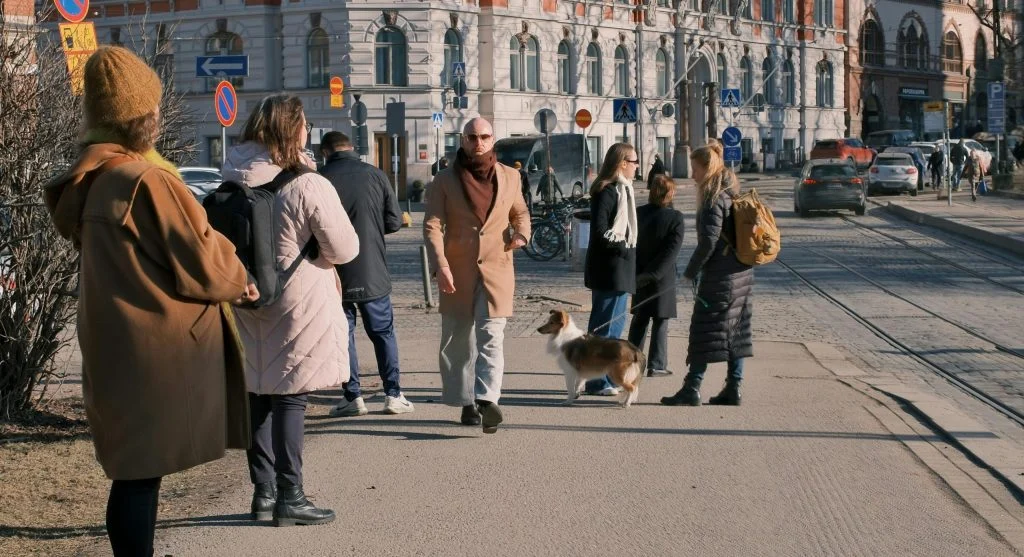
Good photo courtesy habits can help travelers take better pictures without turning shared places into personal photo sets. Many travel photography mistakes do not come from bad intentions. They come from stopping in the middle of foot traffic, ignoring local expectations, or treating everyday public spaces like private backdrops. Travel.State.gov says travelers should learn local laws and customs before going abroad and review the laws for any place they are visiting, even if only passing through.
1. Learn local rules before treating every place like a photo stop
One of the most useful photo courtesy habits is checking local rules and customs before the trip. Travel.State.gov says laws abroad are different from those in the United States and travelers should review local laws and customs for the places they visit.
This matters because a traveler may assume that a photo is harmless while the destination treats the space very differently. A little research usually prevents the kinds of mistakes that feel small to the visitor but serious to the place. That second sentence is an inference based on the State Department’s guidance to review local laws and customs in advance.
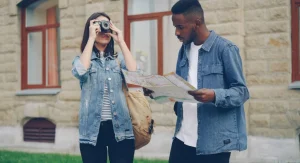
2. Step out of the flow before taking the picture
Many photo problems begin when travelers stop suddenly in the busiest part of a path. A better habit is stepping to one side first, then framing the shot. Travel.State.gov’s crime guidance says travelers should be aware of their surroundings and download offline maps so they can navigate more smoothly.
That guidance supports a simple etiquette rule: shared public movement comes first, and the photo comes second. This is an inference based on the State Department’s advice to stay aware and prepared in public spaces.
3. Keep your photo stop short when the space is crowded
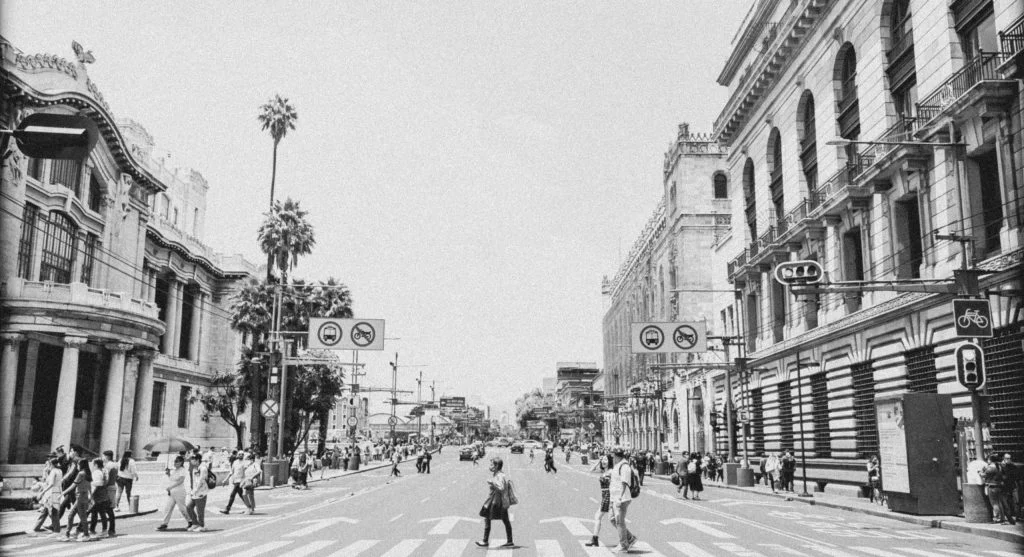
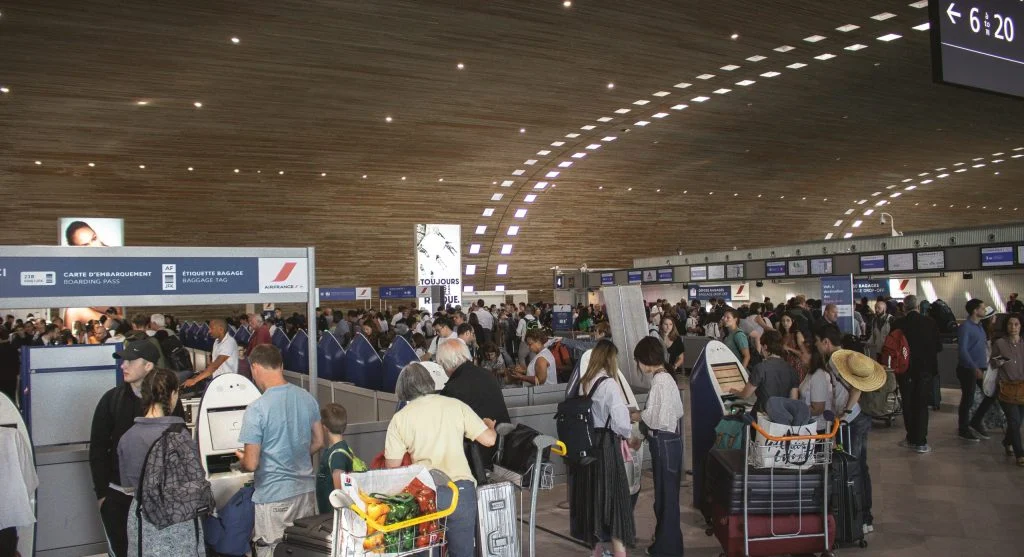
Busy places work better when everyone gets a moment instead of one person taking over the space. Travel.State.gov says travelers should keep a low profile while abroad and remain mindful of their surroundings.
In practice, that often means taking a few quick shots and moving on instead of holding one position for too long in a crowded area. This is an inference grounded in the official guidance to keep a low profile and stay aware of the people around you.
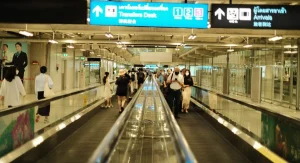
4. Avoid turning entrances, stairs, and narrow paths into photo sets
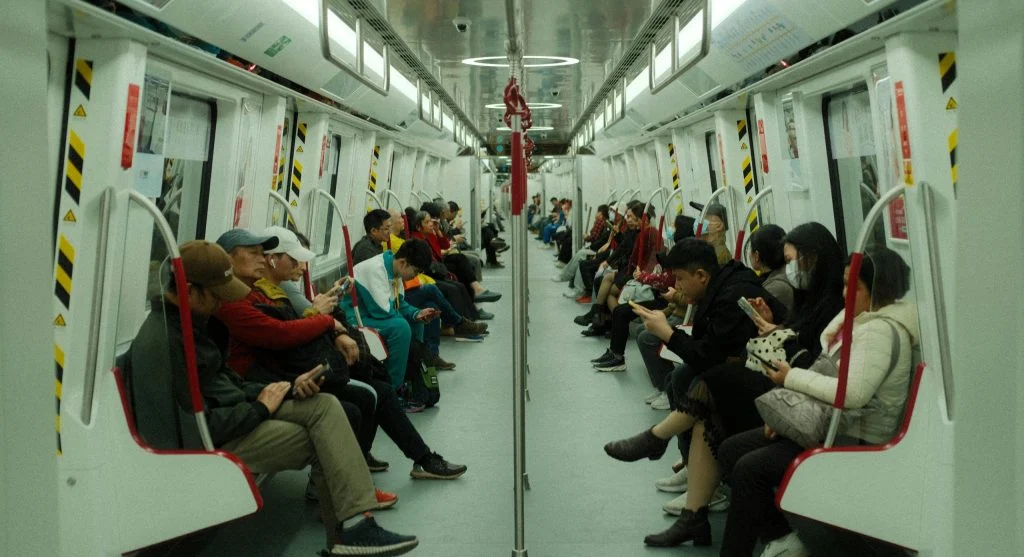
Some of the worst places for long photo stops are also the places other people need most. Doorways, station exits, stair landings, and narrow paths often serve movement before scenery. Travel.State.gov’s planning and crime guidance both emphasize awareness of surroundings and preparation for public movement.
That supports a very practical travel habit: if people need the space to keep moving, it is not the right place for a long pose or repeated retakes. This is an inference based on the official emphasis on public awareness and safe movement. :contentReference[oaicite:8]{index=8}
5. Keep valuables and gear less visible than necessary
Travel.State.gov’s crime guidance warns travelers not to display signs of wealth and to stay aware of their surroundings.
This applies to travel photography too. A lower-profile approach with gear often feels more respectful and can also reduce unwanted attention. That second sentence is an inference based on the State Department’s advice about valuables and public profile.
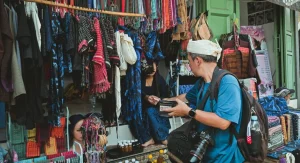
6. Ask yourself whether people are part of the picture or just in the way
Travel.State.gov says travelers should learn local customs and keep a low profile abroad.
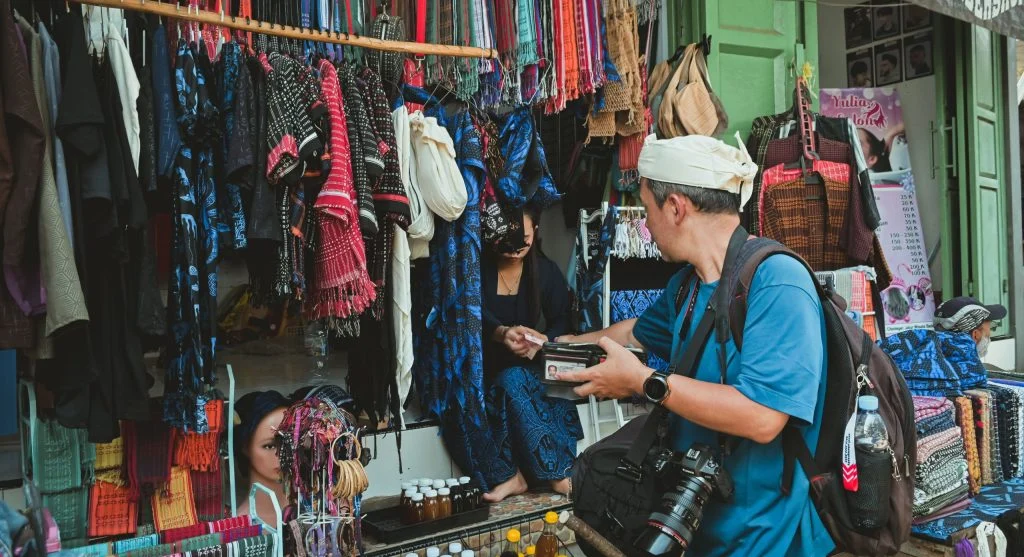
That supports a useful photo habit: if the image depends on getting very close to strangers, it is worth slowing down and thinking more carefully first. A wider scene often feels more respectful than treating nearby people like props. This is an inference grounded in the official guidance on customs and low-profile behavior.
7. Check the photo without standing in everyone’s way
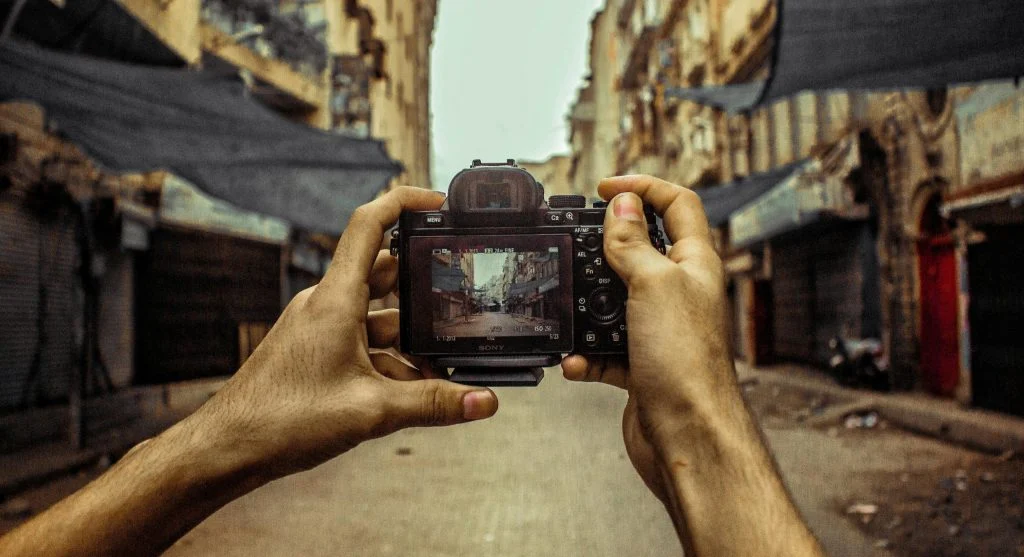
After taking a picture, many travelers pause exactly where they stopped to review it. A better habit is moving aside before checking the image, adjusting settings, or deciding whether to retake it. Travel.State.gov’s safety guidance emphasizes staying aware of your surroundings and keeping a low profile in public.
This is a small change, but it often makes shared spaces feel smoother for everyone around you. That practical takeaway is an inference based on the same official awareness guidance.
8. Let the place stay bigger than the photo
One of the strongest travel etiquette habits is remembering that the destination is not there to perform for the traveler. Travel.State.gov says travelers should learn local customs, review local laws, and keep a low profile abroad. :contentReference[oaicite:15]{index=15}
In practice, that means taking the picture without trying to control the whole space around it. The most respectful travel photos often come from working with the place as it is instead of making everyone else wait for the perfect frame. This is an inference based on the official guidance about customs, law, and low-profile travel.
Frequently Asked Questions
Q: What are the most useful photo courtesy habits while traveling?
A: The most useful photo courtesy habits include learning local rules, stepping out of the flow before taking a photo, keeping stops short in crowded areas, and using a lower-profile approach with gear and public behavior.
Q: Why should travelers learn local laws before taking photos abroad?
A: Travel.State.gov says laws abroad differ from those in the United States and travelers should review local laws and customs for the places they visit.
Q: Why is stepping aside before taking a picture such a useful habit?
A: Travel.State.gov emphasizes awareness of surroundings, and stepping aside helps keep shared public movement clear while the traveler takes or reviews the photo. The second part is an inference based on that guidance.
Q: Why does “keeping a low profile” matter for travel photography?
A: Travel.State.gov advises travelers to keep a low profile abroad. In travel photography, that often supports behavior that feels both safer and more respectful in shared spaces. Key Takeaway
Strong photo courtesy habits help travelers take better pictures without disrupting others by turning awareness into a simple routine. Official guidance supports learning local laws and customs, keeping a low profile, and staying aware in public spaces. Better travel photos often come from working with the place respectfully instead of trying to control it.


Post Comment