8 Transit Safety Habits That Help Travelers Feel More Secure in Unfamiliar Cities
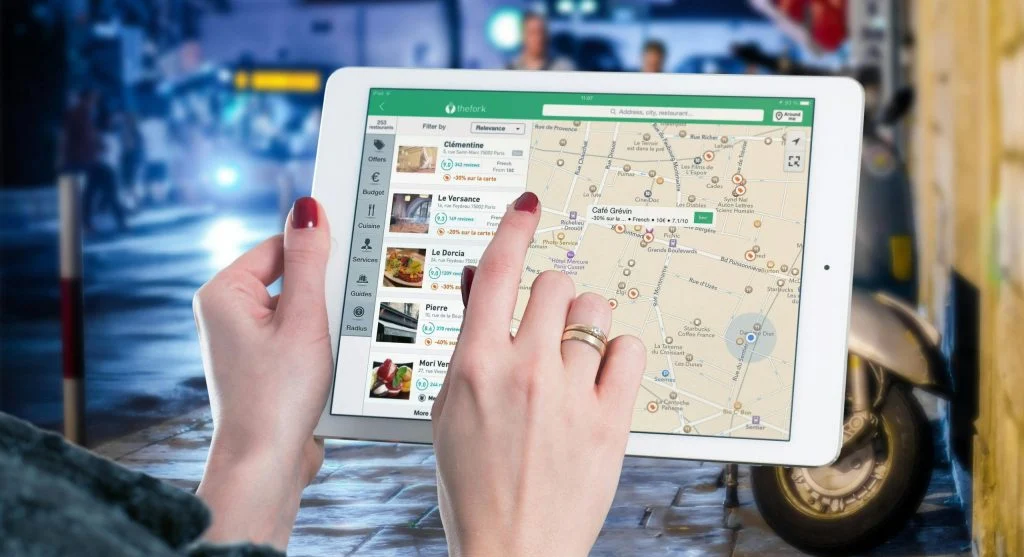
Strong transit safety habits can make unfamiliar cities feel much easier to manage. Travel.State.gov says travelers should download offline map apps, keep their phone charged, carry a portable battery, share hotel names and itinerary details with someone at home, and stay aware of their surroundings while abroad.
1. Download offline maps before the travel day begins
One of the most useful transit safety habits is downloading offline maps before leaving home. Travel.State.gov specifically tells travelers to download offline map apps so they can navigate without internet connection.
This matters because transport stress often grows when a traveler has to solve directions in real time without signal, Wi-Fi, or clear local signage. That second point is an inference based on the State Department’s offline-map guidance.
2. Keep your phone charged and carry backup power
Travel.State.gov says travelers should keep their phone charged and carry a portable battery. :contentReference[oaicite:3]{index=3}
That is especially important in transit because a phone often acts as map, ticket holder, hotel contact tool, and emergency backup at the same time. This is an inference grounded in the same official guidance about charged devices and navigation.

3. Share your broad transport plan with one trusted person
Travel.State.gov says travelers should tell someone at home their travel itinerary, share hotel names, locations they will visit, U.S. embassy or consulate information, and emergency contacts while abroad. :contentReference[oaicite:5]{index=5}
This is one of the simplest travel transport safety habits because important details do not live only on one phone or in one traveler’s memory. That practical benefit is an inference based on the State Department’s guidance.
4. Use trusted taxi and ride options instead of random approaches
Travel.State.gov warns in some destination guidance about false taxis and “unofficial” taxi drivers who approach travelers unsolicited. In Portugal, the department specifically flags false taxis and unofficial taxi drivers as a common scam, and in Malaysia it advises travelers to use a ride-hailing app or book a taxi by phone rather than hailing one on the street, especially at night.
This supports a useful routine for travelers in unfamiliar cities: choose transport through official stands, hotel help, authorized airport exits, or known apps instead of making rushed decisions after arrival. That is an inference based on those official warnings.
5. Be extra careful around airports and major transit hubs
Travel.State.gov notes in some destination advisories that airport and transit areas can create special risk. In Bulgaria, the department says taxi drivers often overcharge travelers in busy tourist areas and highlights a marked airport exit leading to authorized taxis, while in Venezuela it warns that travelers face increased risk using unregulated taxis from the main airport serving Caracas.
That means transport decisions made right after landing deserve extra care. Travelers often do better when the first ride is decided before arrival instead of in the middle of a crowded terminal. The second sentence is an inference based on those official airport transport warnings.
6. Keep valuables less visible while moving through stations and vehicles
Travel.State.gov’s crime guidance tells travelers to stay aware of their surroundings, and several country pages warn about theft risks on public transportation or in tourist areas. For example, Malaysia’s advisory mentions purse snatching and pickpocketing, and the Burkina Faso advisory says pickpocketing and purse snatching are common on public transportation.
This supports a simple transit habit: keep phones, wallets, passports, and bags close and avoid making them the most visible items in the crowd. That is an inference grounded in the official crime and transport warnings.

7. Treat local transport advice as destination-specific, not universal
Travel.State.gov’s country guidance can differ a lot by place. Egypt’s advisory says public buses, Nile taxis, microbuses, and trains are not safe and notes regular serious train accidents, while other destination pages focus more on taxi scams or petty theft.
This matters because travelers should not assume the same transport choice is equally safe everywhere. A stronger routine is checking the destination’s official transportation guidance before deciding how to move around. That is an inference based on the clear differences across official advisories.
8. Plan the first ride before you arrive
Travel.State.gov’s broader crime guidance says travelers should prepare with offline maps, charged phones, and shared itinerary details before they go abroad, and several country pages warn about problems with unofficial taxis or unsafe public transport. :contentReference[oaicite:15]{index=15}
That points to one final habit: the first ride of the trip should be the most planned ride of the trip. When travelers know the route, the pickup method, or the authorized transport option in advance, unfamiliar cities usually feel more manageable from the first hour. The second sentence is an inference based on the official guidance above.
Frequently Asked Questions
Q: What are the most useful transit safety habits for travelers?
A: The most useful transit safety habits include downloading offline maps, carrying backup phone power, sharing itinerary details with someone trusted, using official or booked ride options, and checking destination-specific transport guidance before arrival.
Q: Why should travelers avoid unofficial taxis?
A: Travel.State.gov warns in some destination guidance about false taxis and unofficial drivers who approach travelers unsolicited, and it advises safer booking methods in places such as Malaysia.
Q: Why are offline maps so important in unfamiliar cities?
A: Travel.State.gov says travelers should download offline map apps so they can navigate without internet connection.
Q: Should travelers assume public transportation is equally safe everywhere?
A: No. Travel.State.gov’s country guidance varies by destination. For example, Egypt’s advisory warns that several public transport options are not safe, while other countries focus more on scams or theft risks.
Key Takeaway
Strong transit safety habits help travelers feel more secure in unfamiliar cities by turning movement into a more prepared routine. Official guidance supports offline maps, charged phones, trusted ride choices, shared itinerary details, and destination-specific transport checks before arrival. A smoother first ride often shapes the whole trip.













Post Comment