8 Hotel Courtesy Habits That Help Travelers Respect Shared Spaces More Easily
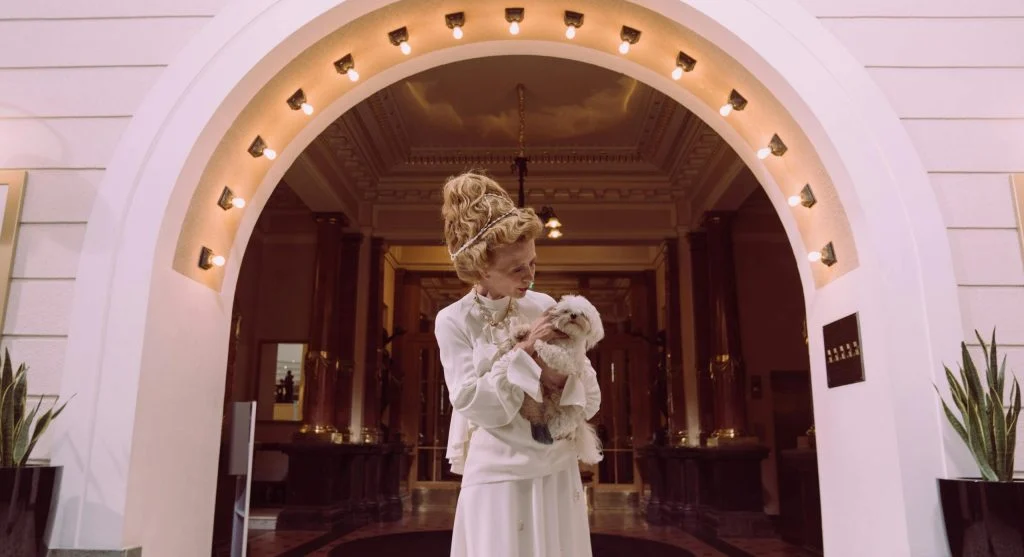
Good hotel courtesy habits can make travel feel smoother for both visitors and the people around them. Travel.State.gov says travelers should learn local laws and customs, keep a low profile, and be mindful of their surroundings while overseas. Those habits matter in hotels because lobbies, halls, elevators, breakfast spaces, and reception desks are all shared places where small choices affect other people quickly.
1. Learn the local expectations before arrival
One of the most useful hotel courtesy habits is understanding that hotel behavior is part of local culture too. Travel.State.gov says travelers should learn local laws and customs before and during a trip, and that they must follow local laws while abroad.
This matters because what feels casual in one country may feel rude, too loud, or too informal in another. A traveler who arrives with a little cultural awareness usually creates fewer awkward moments in shared hotel spaces. That second sentence is an inference based on the official guidance to learn local laws and customs.
2. Keep a lower profile in common areas
Travel.State.gov specifically tells travelers to keep a low profile and be mindful of their surroundings.
In a hotel, that often means calmer movement, less open display of valuables, and more awareness of how much attention a traveler is drawing in the lobby, elevator, or breakfast room. This is an inference grounded in the official “keep a low profile” guidance.

3. Treat the lobby like a shared space, not a private one
Travel.State.gov’s lodging-safety guidance says travelers should meet new visitors or strangers in the public lobby, not in their room.
That reminder also supports a courtesy habit: the lobby is for shared use, not for spreading bags across seating, blocking entrances, or speaking as if no one else is there. This is an inference based on the fact that the lobby is treated in official guidance as a public meeting space.
4. Keep room details private
Travel.State.gov says travelers should not tell strangers where they are staying.
This supports a simple etiquette habit as well as a safety one: avoid saying room numbers or hotel details loudly in public spaces where others can hear. That is an inference based directly on the official advice not to share where you are staying with strangers.
5. Keep public volume lower than you think you need
Travel.State.gov says travelers should keep a low profile and be mindful of their surroundings.
In practical hotel terms, that often means quieter calls, softer conversations in halls, and more care with audio in common areas. A lower public volume usually feels more respectful because other guests are resting, checking in, or trying to navigate the same space. This is an inference grounded in the official low-profile guidance.
6. Keep bags, doors, and walkways from becoming obstacles
Travel.State.gov advises travelers to stay aware of their surroundings.
That awareness applies to hotel space too. A traveler who notices where their luggage sits, how long a room door stays open, or whether they are blocking a narrow hallway usually moves more respectfully through the building. This is an inference based on the official guidance to stay aware of surroundings.

7. Handle unfamiliar visitors through the front desk, not on your own
Travel.State.gov’s lodging-safety page says travelers should contact the front desk immediately if they see suspicious activity and should meet unfamiliar visitors in the public lobby rather than in their room.
This also supports respectful hotel behavior because it keeps boundaries clear and avoids creating discomfort for staff or other guests. That is an inference based on the official lodging-safety guidance.
8. Let patience shape the stay
Travel.State.gov says travelers should learn the destination, follow local laws, and stay mindful of their surroundings.
That supports one final courtesy habit: accept that check-in pace, service style, breakfast routines, and public behavior may not work exactly like home. Hotel etiquette often becomes easier when the traveler adapts to the place instead of expecting the place to adapt first. The second sentence is an inference grounded in the official guidance on local laws, customs, and awareness.
Frequently Asked Questions
Q: What are the most useful hotel courtesy habits for travelers?
A: The most useful hotel courtesy habits include learning local customs, keeping a lower profile, treating the lobby as shared space, keeping room details private, lowering public volume, and moving through common areas with awareness.
Q: Why should travelers keep hotel details private?
A: Travel.State.gov says travelers should not tell strangers where they are staying.
Q: Why is the lobby treated differently from a hotel room?
A: Travel.State.gov’s lodging-safety guidance says travelers should meet unfamiliar visitors in the public lobby, not in their room, which reinforces that the lobby is a shared public space.
Q: Why do local customs matter so much in hotel etiquette?
A: Travel.State.gov says travelers should learn local laws and customs and follow local laws while abroad.
Key Takeaway
Strong hotel courtesy habits help travelers respect shared spaces more easily by turning awareness into simple daily behavior. Official guidance supports learning local customs, keeping a low profile, protecting room privacy, and using public hotel spaces thoughtfully. Small choices often shape the tone of a stay more than travelers expect.










Post Comment