8 Morning Start Habits That Help Family Trips Feel Easier With Children
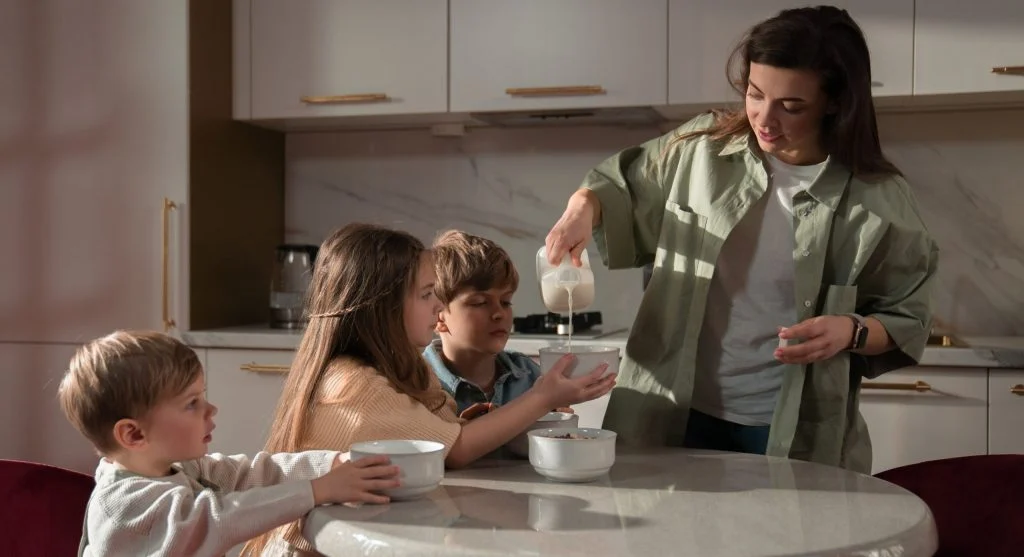
Strong morning start habits can make family trips feel much easier with children. The first hour of the day often shapes the rest of it. When children wake up in a new room, a new city, or a new routine, even small delays can feel bigger than they would at home. A calmer start usually helps the whole day feel more manageable.
That is why many families benefit from building a simple morning structure instead of trying to improvise every detail. The goal is not to make travel feel rigid. The goal is to make the beginning of the day feel predictable enough that children can adjust without extra stress.
1. Tell children the basic plan before the rush begins
One of the most useful morning start habits is explaining the broad plan before everyone starts moving fast. Children often handle the day better when they know what comes next. Even a simple outline like breakfast, short ride, then museum can make a morning feel smaller and easier to follow.
This works especially well on travel days because the morning often includes quick changes. When children already know the next step, parents usually spend less energy repeating last-minute explanations under pressure.
2. Keep one familiar part of the morning the same
Family travel mornings often feel easier when one small routine stays familiar. That might be the same breakfast item, the same brushing-teeth order, the same short story, or the same getting-ready phrase each day. A tiny repeated pattern can help children feel anchored even when the place is new.
This does not need to be complicated. In fact, the simpler it is, the easier it usually becomes to repeat from one stop to the next.
3. Put snacks and water in reach before anyone asks
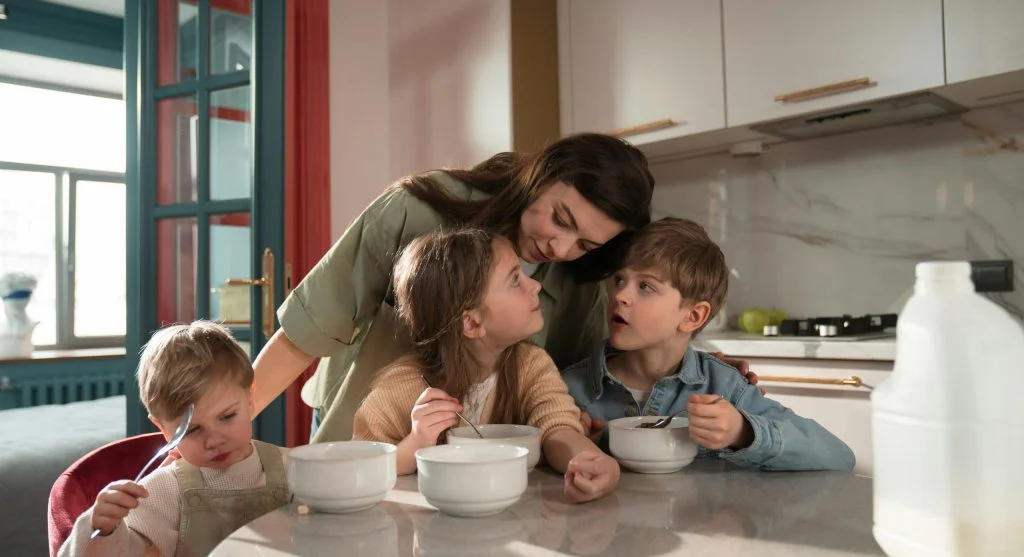
A strong family travel habit is getting snacks and water ready before the morning feels rushed. Children often feel the effects of hunger or thirst faster during travel because the day is already more stimulating than normal. A small snack plan can prevent a simple delay from becoming a bigger mood problem.
This is especially helpful when the family expects a check-out, transfer, line, or early outing. Easy access often matters more than having many choices.
4. Keep one comfort item available in the first bag
Mornings can feel harder when children wake up in a different room from the one they slept in the night before. A familiar comfort item can make that shift feel gentler. It may be a small toy, a favorite cloth, or a book that helps the child settle into the day.
The item does not need to be used for long. It simply needs to be easy to reach during that first adjustment period.
5. Do a short bag check before leaving the room
Another helpful morning habit is a quick family bag check before stepping out. Parents often do better when they look for the same essentials in the same order each day. That might include snacks, water, wipes, a comfort item, medications, and a small document pouch.
A short check can feel repetitive, but it usually saves time later. The best version is brief enough to repeat every day without turning into another source of stress.
6. Keep getting-ready steps in the same order
Family travel mornings often feel smoother when the sequence stays predictable. Clothes first, then shoes, then breakfast, then bags, for example. Children usually respond better to the same order than to a new order every day.
This matters because travel already introduces enough change on its own. A stable sequence can make the morning feel more controlled even when the day ahead is new.
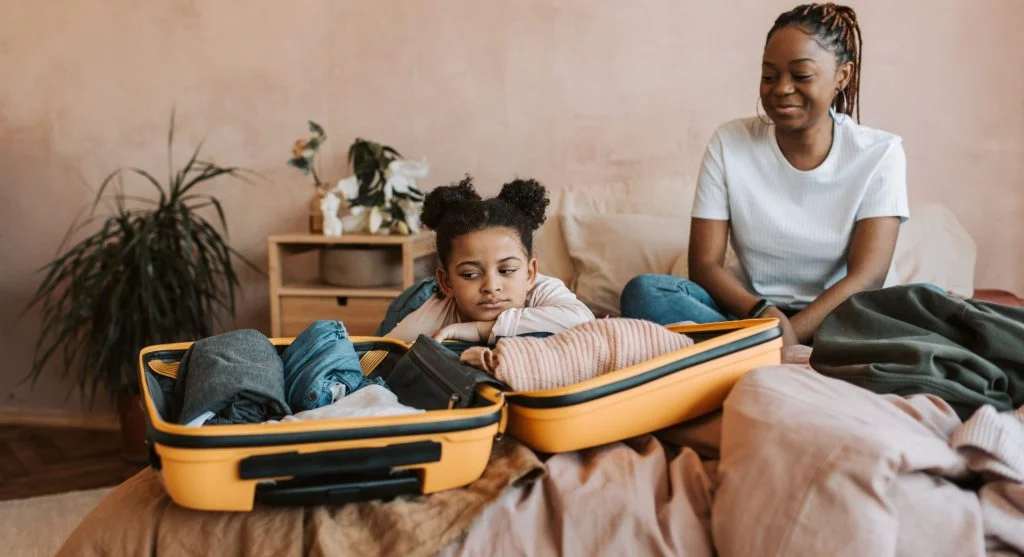
7. Protect the first 15 minutes from too many decisions
One of the smartest morning start habits is reducing choices early in the day. Too many options can make travel mornings feel heavier for both parents and children. A simpler breakfast plan, outfit plan, or departure plan often creates a better start than trying to keep everything open-ended.
This does not remove flexibility. It just protects the family from unnecessary decisions during the part of the day when energy and patience may still be building.
8. Let the morning feel calm before making it efficient
Efficiency matters on travel days, but the calm tone matters too. Families often do better when they aim for steady movement instead of constant speed. A rushed morning can create mistakes, forgotten items, and more tension than it saves.
A smoother start usually comes from fewer rushed moments, not from pushing every minute harder. When children begin the day feeling settled, the rest of the trip often benefits.
Frequently Asked Questions
Q: What are the most useful morning start habits on a family trip?
A: The most useful morning start habits include explaining the day early, keeping one familiar routine, preparing snacks and water in advance, doing a short bag check, and using the same getting-ready order each morning.
Q: Why do family travel mornings feel harder than mornings at home?
A: Travel mornings often include more change, more movement, and more decisions. A small routine can help children adjust more easily to that difference.
Q: Why should parents reduce decisions early in the morning?
A: Fewer choices can make the start of the day feel calmer and easier to manage for both children and adults.
Q: What should families keep ready in the first bag of the day?
A: A practical first bag often includes snacks, water, wipes, a comfort item, medications, and other small essentials that may be needed quickly.
Key Takeaway
Strong morning start habits help family trips feel easier with children because they reduce early stress and create a steadier beginning to the day. Familiar routines, easier access to essentials, and a simpler first hour often shape the whole travel day in a positive way.











Post Comment