


Blog

  • What First-Time Visitors Should Know About Kyoto Before They Go

    What First-Time Visitors Should Know About Kyoto Before They Go

    A practical Kyoto travel guide should help first-time visitors understand that the city is best experienced with patience, thoughtful planning, and a realistic pace. Many travelers arrive expecting a quick city break, but Kyoto tends to be more rewarding when the trip is built around exploring districts, using public transport wisely, and allowing time to walk through its historic areas at a slower rhythm.

    Travel planners often describe Kyoto as a place where atmosphere matters just as much as well-known landmarks. Temples, gardens, traditional streets, and quieter neighborhoods all shape the experience. Because of this, how the trip is planned can have a big impact on how enjoyable it feels.

    Why a Kyoto travel guide should start with districts, not only landmarks

    One of the most helpful ways to approach Kyoto is by thinking in terms of districts rather than trying to visit individual landmarks scattered across the city. Moving between too many areas in a single day can quickly make the trip feel rushed and tiring. A more relaxed plan groups nearby spots together and leaves space for walking, resting, and exploring at a comfortable pace.

    Kyoto rewards this approach because many memorable moments don’t come only from major attractions. Quiet temple paths, side streets, gardens, and local neighborhoods often leave just as strong an impression as the most famous sites.

    Travel advisers often suggest focusing on one main area in the morning and a nearby area later in the day. This keeps travel simple and reduces time spent switching between buses, trains, or routes.

    How Kyoto public transport shapes the whole visit

    A good Kyoto travel guide also prepares visitors for how much transport affects the overall experience. The city relies on a mix of buses, trains, and subways, and using a combination of these options often makes getting around easier than depending on just one.

    First-time visitors usually benefit from checking nearby stations or stops before choosing where to stay. A hotel that looks appealing online can become inconvenient if it requires long or complicated transfers each day.

    Transport planning also matters because popular areas can become crowded, especially during peak hours. Starting earlier, choosing trains or subways when possible, and staying flexible with routes can make moving around the city much more comfortable.

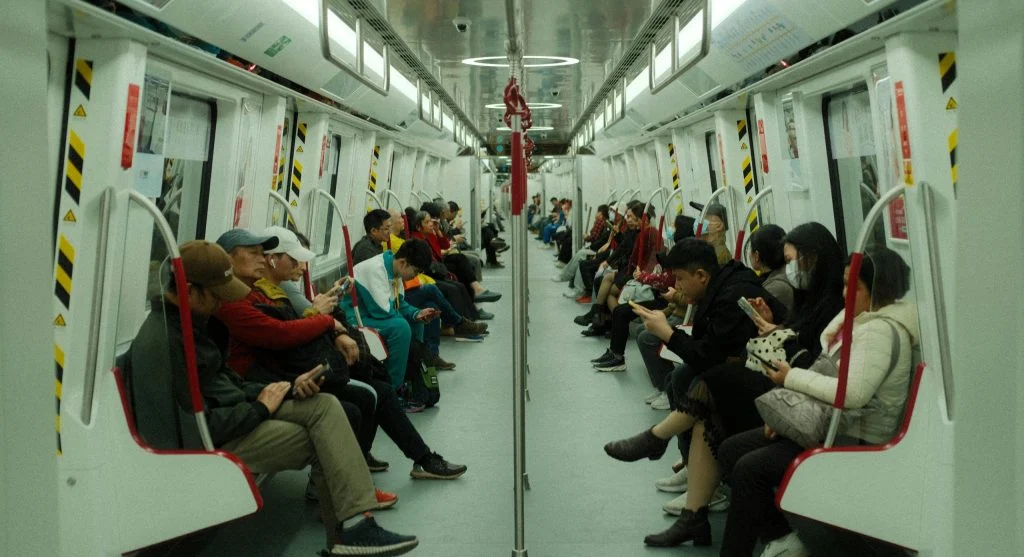
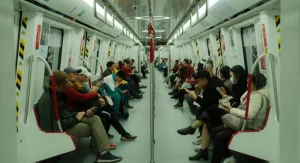
    Kyoto public transport scene in a Kyoto travel guide for first-time visitors

    Credit:  卓浩 虞  / Pexels

    What first-time visitors should expect from walking in Kyoto

    Walking is a big part of experiencing Kyoto, but it helps to approach it with realistic expectations. Historic districts and temple areas naturally encourage a slower pace. You’ll likely stop often—for views, photos, small details, or short climbs—especially in places where the atmosphere is part of the experience.

    Comfortable shoes make a bigger difference than many first-time visitors expect. A day that looks manageable on a map can feel much longer once stairs, crowds, and frequent توقفs are added. Kyoto tends to feel more enjoyable when the schedule allows for that slower rhythm instead of trying to move quickly from place to place.

    Travel experts often point out that Kyoto rewards attention. The experience becomes richer when you leave space for small, unplanned moments rather than focusing only on checking off major landmarks.

    Why timing matters in a Kyoto travel guide

    Timing can shape the entire experience in Kyoto. Starting early in the day often makes popular areas feel calmer and easier to explore. As the day goes on, some districts can become crowded, especially during peak travel seasons.

    That’s why many experienced travelers keep their mornings simple and well planned. Focusing on one strong location early in the day often works better than trying to cover multiple distant spots, which can create unnecessary pressure.

    Season also plays a role. Weather, daylight hours, and visitor numbers all affect how long it takes to move between places and how comfortable it is to spend extended time outdoors.

    How accommodation choice affects visiting Kyoto

    Where you stay can influence the entire flow of your trip. A convenient location doesn’t always mean staying in the busiest area. Some travelers prefer easy access to train lines, while others value quieter neighborhoods and more relaxed evenings. The right choice depends on how you plan to move through the city each day.

    A helpful way to decide is to think about the return at the end of the day, not just the morning departure. A place that makes it easier to get back and rest can improve the overall experience more than one chosen only for price or appearance.

    This is why a well-planned Kyoto travel guide focuses on practical rhythm as much as popular sights. A comfortable base often leads to a smoother and more enjoyable visit overall.

    Kyoto travel guide street scene showing a calm traditional district for first-time visitors

    Credit:  Satoshi Hirayama  / Pexels

    Why responsible travel matters in Kyoto

    Kyoto is a place where respectful behavior supports the trip itself. Historic neighborhoods, religious sites, and shared public spaces work best when visitors stay aware of local routines. Quiet observation, patient movement, and respect for signs or photography rules usually help travelers feel more comfortable too.

    First-time visitors often do better when they approach the city with flexibility rather than urgency. A destination built around culture and place usually feels more rewarding when explored with care.

    How first-time visitors can plan a smoother Kyoto trip

    The most effective Kyoto plan is often a simple one. Travelers can choose a few priority places, group them by district, use transport strategically, and leave room for walking breaks and quiet discoveries. Kyoto usually gives more to visitors who slow down than to those who try to cover everything too quickly.

    Travel professionals often remind first-time visitors that the goal is not to finish the city. It is to experience it well. A lighter schedule, an earlier start, and a calmer route often create a much stronger first impression than an overloaded checklist.

    Frequently Asked Questions

    Q: Is Kyoto good for first-time visitors to Japan?
    A: Many first-time visitors find Kyoto rewarding because it offers strong cultural atmosphere and clear district-based sightseeing. The trip usually feels easier with realistic daily pacing and basic transport planning.

    Q: What matters most in a Kyoto travel guide?
    A: District planning, transport choices, walking expectations, and timing are among the most useful basics. These often shape the trip more than a long list of attractions.

    Q: Is Kyoto better explored on foot or by transport?
    A: Most visitors use both. Walking helps travelers enjoy historic areas, while public transport often makes longer connections easier and less tiring.

    Q: How many days are useful for a first Kyoto trip?
    A: Many travelers prefer several days so they can explore at a slower pace. Kyoto often feels more rewarding when visitors do not rush from one district to another.

    Key Takeaway

    A good Kyoto travel guide helps first-time visitors focus on districts, smart transport use, realistic walking plans, and a slower daily pace. Kyoto often feels most rewarding when travelers group nearby places together and leave room for quiet observation. With simpler planning, the city becomes easier to understand and far more enjoyable to explore.

    INTERNAL LINKING SUGGESTIONS

    • What First-Time Visitors Should Know About Tokyo Before They Go
    • 8 Travel Etiquette Habits That Help Visitors Avoid Common Mistakes Abroad
    • 8 Carry-On Packing Habits That Help Travelers Move Through Airports More Easily
  • 8 Backup Travel Safety Habits That Help When Plans Go Wrong Abroad

    8 Backup Travel Safety Habits That Help When Plans Go Wrong Abroad

    Good backup travel safety habits can make a difficult travel day much easier to manage. Flights get delayed, phones run out of battery, luggage goes missing, and documents can be misplaced. These problems do not happen on every trip, but travelers often handle them better when they prepare simple backups before leaving home.

    Official travel guidance strongly supports that approach. Travel.State.gov recommends using an international travel checklist that includes important travel documents, visas, medications, and child-related planning, while CDC guidance says travelers should leave copies of important travel documents with someone at home, make sure someone can reach them in an emergency, and carry emergency contacts with them.

    1. Keep copies of important records in more than one place

    One of the strongest backup travel safety habits is creating copies of the documents that matter most. A passport, itinerary, lodging information, insurance details, and key payment information are much easier to replace or explain when there is a backup available.

    CDC’s pre-travel guidance says travelers should leave copies of important travel documents with someone at home in case they lose them during travel. Its packing guidance also lists copies of passports, travel documents, lodging information, and prescriptions as useful items to carry.

    This does not need to be complicated. One digital backup and one printed backup often give travelers far more flexibility than relying on a single original document.

    2. Make sure someone knows the broad plan

    Many travel problems feel worse when nobody else knows where the traveler is supposed to be. A simple shared plan can help if communication becomes difficult or if an emergency interrupts the trip.

    CDC says travelers should make sure someone at home knows how to reach them in an emergency and should carry emergency contacts with them at all times. These are simple steps, but they make a real difference when a traveler needs quick help or clear communication.

    A shared plan does not need every detail. Basic flight information, hotel name, travel dates, and one or two major destination notes are often enough.

    backup travel safety habits with document copies and emergency contacts organized before departure

    Credit:  Markus Winkler / pexels

    3. Treat medication as a priority item, not an afterthought

    Medication planning is one of the most practical travel safety habits because it becomes very important very quickly when something goes wrong. Delayed luggage, missing bags, or trouble finding the same medicine abroad can create problems that are harder to fix than a forgotten charger or shirt.

    Travel.State.gov’s checklist includes medications as a core part of travel planning. CDC packing guidance also recommends bringing copies of prescriptions and health information for use during the trip.

    Travelers often do best when medicine stays in carry-on baggage, along with prescription details and any other health items that would be difficult to replace quickly.

    4. Know where official help is available

    A traveler usually does not need embassy or consulate help abroad, but knowing where official support exists can reduce panic if a serious problem happens. Lost passports, crime-related issues, and travel document emergencies are easier to manage when travelers know where to turn.

    Travel.State.gov says U.S. embassies and consulates provide assistance during emergencies abroad, including lost passports, support for crime victims, and crisis help. It also says a lost or stolen passport abroad must be replaced before returning to the United States and that travelers should contact the nearest U.S. embassy or consulate for help.

    That is why a simple emergency note with embassy details, local lodging information, and a few phone numbers can be useful before the trip begins.

    5. Use a checklist before travel day, not during it

    Travel stress often comes from trying to remember too much at the last minute. A checklist reduces that pressure because it turns travel preparation into a repeatable system.

    Travel.State.gov’s International Travel Checklist highlights items such as a valid passport, visa needs, medications, and traveling with children. Its broader planning pages also direct travelers to use that checklist and practical guidance before going abroad.

    For many travelers, the best checklist is short and realistic. It covers documents, payments, medicine, contacts, transport, and the first move after arrival.

    6. Pack contact details that do not depend on your phone

    Phones are useful for navigation and bookings, but they are not perfect backups. Batteries die, connections fail, and devices can be lost. That is why one of the best backup habits is carrying a written version of the details that matter most.

    CDC guidance says travelers should carry emergency contacts with them at all times, and its packing advice includes contact cards with family or close-contact information, lodging details, and health-related contact information.

    A paper card with hotel address, emergency contacts, and important numbers takes very little space but can be extremely useful during a disrupted travel day.

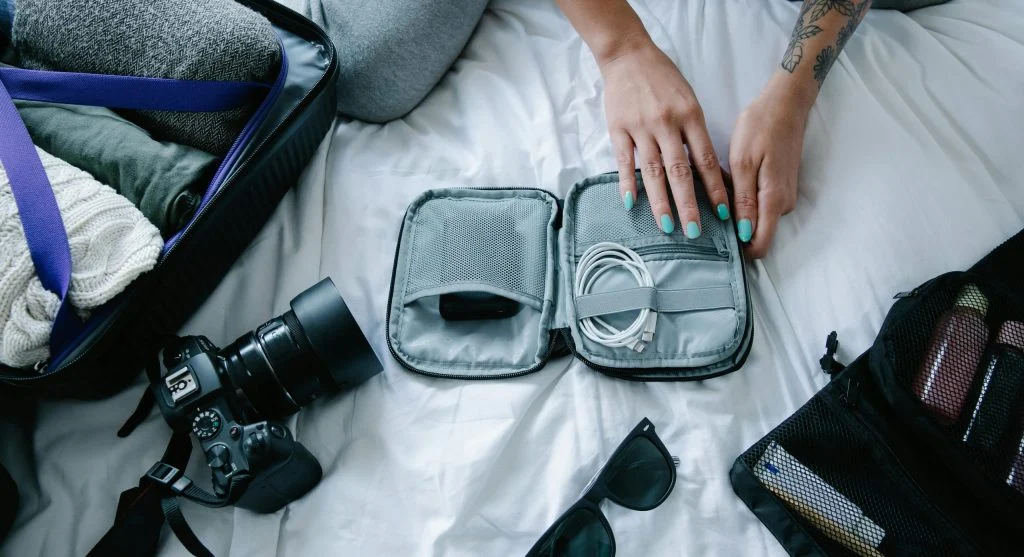
    backup travel safety habits with a pouch holding medicine charger passport holder and emergency contacts

    Credit: Towfiqu barbhuiya / Pexels

    7. Prepare for passport loss before it happens

    Passport loss is one of the problems travelers worry about most, and official guidance makes clear that preparation matters. A lost passport can interrupt the whole trip, especially if the traveler has no backup information to prove identity or support a replacement request.

    Travel.State.gov says that if a traveler loses a passport abroad, they need a new one before returning to the United States. The same guidance says travelers should report the passport lost or stolen and contact the nearest embassy or consulate, and notes that identification, proof of citizenship, and travel itinerary can help in the replacement process.

    That makes copies and basic recordkeeping far more than administrative details. They are part of safe international travel planning.

    8. Think in backups, not only in plans

    One of the strongest travel habits is shifting from a single-plan mindset to a backup mindset. Good travel preparation is not only about what should happen. It is also about what the traveler will do if one small part of the trip changes unexpectedly.

    Travel.State.gov’s broader travel guidance and planning pages emphasize practical preparation, safety basics, and travel tools before a trip. Combined with CDC’s emergency-preparation advice, that guidance supports a simple message: travelers usually feel safer when they build small backups into the trip before anything goes wrong. :contentReference[oaicite:8]{index=8}

    That may mean a second payment method, printed lodging details, a paper contact card, or a clearer first-day transport plan. Small backups often solve the most common travel problems quickly.

    Frequently Asked Questions

    Q: What are the most useful backup travel safety habits?
    A: The most useful backup travel safety habits include keeping copies of documents, carrying emergency contacts, planning for medicine needs, and sharing the broad trip plan with someone at home.

    Q: Should travelers leave copies of travel documents at home?
    A: Yes. CDC guidance says travelers should leave copies of important travel documents with someone at home in case they lose them during travel. :contentReference[oaicite:9]{index=9}

    Q: What help is available if a passport is lost abroad?
    A: Travel.State.gov says travelers should contact the nearest U.S. embassy or consulate, which can help with passport replacement and emergency support abroad. :contentReference[oaicite:10]{index=10}

    Q: Why should emergency contacts be written down and not only stored on a phone?
    A: CDC guidance says travelers should carry emergency contacts with them at all times. A written version remains useful if a phone battery dies or the device is lost. :contentReference[oaicite:11]{index=11}

    Key Takeaway

    Strong backup travel safety habits help travelers stay calmer when plans change abroad. Copies of documents, written emergency contacts, medication planning, and basic official support details can make common travel problems much easier to manage. Good travel preparation is not only about the ideal plan, but also about the backup plan that supports it.

    INTERNAL LINKING SUGGESTIONS

    • 8 Travel Safety Checks to Make Before an International Trip
    • 8 Carry-On Packing Habits That Help Travelers Move Through Airports More Easily
    • 8 Solo Travel Habits That Help Travelers Stay Calm and Organized
  • 8 Family Travel Checks Parents Should Make Before Leaving Home

    8 Family Travel Checks Parents Should Make Before Leaving Home

    Useful family travel checks can make trips with children feel calmer even before the journey begins. Many parents focus first on flights, hotels, and packing, but smoother family travel usually comes from handling a few practical basics early. Documents, medicines, transport plans, and simple routines often matter more than trying to plan every detail of the day.

    Official guidance supports this approach. U.S. Department of State advises families to review destination-specific entry and exit rules for children, since some countries require additional documents for minors, including notarized permission letters when only one parent is traveling. Centers for Disease Control and Prevention also recommends carrying emergency contacts, leaving copies of important documents with someone at home, and preparing a basic travel health kit before departure.

    1. Check Child Travel Documents Before Anything Else

    One of the most important family travel checks is confirming that every child has the correct documents. It’s easy to assume children follow the same rules as adults, but international travel often includes different requirements for minors.

    The U.S. Department of State notes that some destinations may require custody documents or a notarized letter of permission from a non-traveling parent. These requirements can apply even when one parent is traveling with the child.

    For this reason, document checks should happen well in advance—not the day before departure. Families usually feel more confident when passports, consent letters (if needed), and travel bookings are all confirmed early.

    2. Confirm the First Transport Step After Arrival

    Traveling with children often feels most challenging during the first hour after arrival. Fatigue, crowds, unfamiliar surroundings, and luggage can make simple decisions feel overwhelming. That’s why family trip planning works best when the first step is already clear.

    A helpful check is deciding how to get from the airport or station to the hotel, how long it will take, and what the backup plan is if something changes. This one decision can set the tone for the entire day.

    Parents don’t need to plan every detail in advance, but knowing the first move ahead of time can make arrival feel much more manageable.

    family travel checks with a parent reviewing child travel documents before departure
    Credit: [ Kampus Production / pexels ]

    3. Pack Medicine and Health Items With Children in Mind

    Health planning becomes more important when traveling with children. A missed medicine, a forgotten comfort item, or a delayed checked bag can quickly turn into unnecessary stress.

    Guidance from the Centers for Disease Control and Prevention recommends preparing a travel health kit based on the child’s needs and the type of trip. The same guidance suggests carrying emergency contacts and leaving copies of important documents with someone at home, so families are better prepared if something unexpected happens.

    In practice, parents often find it helpful to keep essential health items in a carry-on or easy-to-reach bag instead of placing everything in checked luggage.

    4. Review Food, Water, and Hand Hygiene Plans

    It’s easy to focus on the destination and overlook daily routines, but children are often more sensitive than adults to changes in food, hydration, and hygiene.

    According to the Centers for Disease Control and Prevention, families should follow safe food and water practices and encourage frequent handwashing to reduce the risk of illness while traveling.

    This makes it one of the most practical family travel checks. Packing familiar snacks where appropriate, planning for water refills, and carrying simple hand-cleaning supplies can help prevent small problems from becoming bigger ones.

    5. Check Road Safety Plans Before the Trip Starts

    Ground transport is a key part of family travel, especially after arrival. A child who manages a flight well may still need proper safety arrangements in cars, taxis, or transfers.

    The Centers for Disease Control and Prevention advises that children should always use seat belts or appropriate car and booster seats, and that parents should review car seat requirements for their destination. It also notes that children are safest when seated in the back.

    This means transport planning should go beyond simply booking a ride. Families benefit from thinking ahead about how children will be seated safely throughout the trip.

    6. Build Copies and Emergency Contacts Into the Plan

    Families often travel with more documents than solo travelers or couples—passports, medical details, school information, consent letters, and booking confirmations. Losing access to these can make an already stressful situation more difficult.

    The Centers for Disease Control and Prevention recommends leaving copies of important documents with someone at home, carrying emergency contact information, and making sure a trusted person knows how to reach you if needed.

    For families, this kind of backup is especially valuable. Children’s travel often depends on adults being able to confirm identity, explain plans, or reach the right contacts quickly when something changes.

    family travel checks with organized child essentials documents and medicine in a travel bag
    Credit: [ Timur Weber/ pexels ]

    7. Review Vaccine and Health Timing for Children

    Some trips require more detailed health planning, especially international travel with infants or younger children. While not every destination calls for extra steps, it’s important not to assume that routine preparation is always enough.

    The Centers for Disease Control and Prevention notes that children traveling abroad may need additional vaccines or earlier doses than the standard schedule. For example, infants between 6 and 11 months may need an early MMR dose before international travel.

    This doesn’t mean every trip requires the same preparation, but it does mean families benefit from checking destination-specific health guidance well before departure.

    8. Keep the First Day Lighter Than Expected

    One of the most overlooked family travel checks is simplifying the first day. After early departures, long travel hours, unfamiliar food, and disrupted routines, children are often more tired than expected.

    Family travel tends to go more smoothly when arrival day is treated as a transition rather than a full activity schedule. A relaxed meal, an easy check-in, and time to settle in can make a bigger difference than trying to fit in sightseeing right away.

    This approach also helps parents stay flexible if there are delays or low energy after arrival. A lighter first day often sets a calmer tone for the rest of the trip.

    Frequently Asked Questions

    Q: What are the most important family travel checks before a trip?
    A: The most important family travel checks usually include child travel documents, medicine planning, transport after arrival, and emergency contact backups.

    Q: Do children need special documents for international travel?
    A: In some cases, yes. Travel.State.gov says some destinations may require custody paperwork or a notarized permission letter for minors, depending on who is traveling with the child. :contentReference[oaicite:7]{index=7}

    Q: Why should families prepare a travel health kit?
    A: CDC guidance says a travel health kit helps travelers manage common minor illness and personal health needs during a trip, and that guidance applies especially well to families with children. :contentReference[oaicite:8]{index=8}

    Q: What road safety advice matters most for traveling with children?
    A: CDC guidance says children should wear a seat belt or use the correct car or booster seat, and that parents should review local car seat rules for the destination before traveling. :contentReference[oaicite:9]{index=9}

    Key Takeaway

    Strong family travel checks help parents handle small issues before they turn into stressful moments on the trip. Taking time to review documents, medicines, transport plans, and child routines in advance usually makes traveling with children feel more manageable. In most cases, family trips go more smoothly when preparation stays simple, practical, and done early.

    INTERNAL LINKING SUGGESTIONS

    • How to Plan a Family Trip Without Making the Schedule Too Busy
    • 8 Travel Safety Checks to Make Before an International Trip
    • How to Pack for a Trip Without Forgetting the Essentials
  • 8 Solo Travel Habits That Help Travelers Stay Calm and Organized

    8 Solo Travel Habits That Help Travelers Stay Calm and Organized

    Strong solo travel habits can make independent trips feel easier right from the start. Many travelers assume confidence comes first and habits follow, but in practice it often works the other way around. Simple routines, clear planning, and steady awareness tend to build the confidence people are looking for.

    Travel advisers often point out that solo travel feels smoother when unnecessary stress is reduced. A trip doesn’t have to be perfect to be enjoyable—it just needs enough structure to make everyday decisions feel manageable and safe.

    1. Start Each Day With a Simple Plan

    One of the most helpful solo travel habits is beginning the day with a basic plan rather than a packed schedule. Knowing your first stop, general route, and when you’ll likely head back can make the day feel much more settled.

    This doesn’t mean planning every detail. It’s more about choosing a direction—one main goal and maybe a backup option. Solo trip planning tends to work best when expectations stay realistic instead of trying to fit everything in.

    Travel planners often note that decision fatigue can feel stronger when you’re alone. A simple plan helps reduce that pressure and keeps the day moving comfortably.

    2. Keep Important Items in the Same Place Every Time

    Traveling alone becomes much easier when essentials like your documents, wallet, phone, charger, and room key always go in the same place. Without a companion to double-check things, staying organized becomes more important.

    Many experienced solo travelers rely on consistent habits, like using the same pocket or section of a bag each day. It may seem small, but it helps prevent unnecessary stress in busy places like airports, stations, or restaurants.

    This habit also helps at night. Taking a moment to check your essentials before sleeping can prevent problems the next morning and keep your routine running smoothly.

    solo travel habits showing organized passport wallet and phone in a small travel bag
    Credit: [ Vlada Karpovich / pexels ]

    3. Arrive With the First Move Already Decided

    The first moments after arrival often shape how the entire trip feels. One of the most useful traveling alone tips is deciding your first move before you get there. This usually means knowing how you’ll get from the airport or station to your accommodation, which transport option makes the most sense, and what your backup plan is if something changes.

    Solo travelers often feel the most uncertain during that first hour. There may be crowds, unfamiliar surroundings, tiredness, and low phone battery all at once. Having a clear next step removes much of that pressure.

    Travel safety specialists often point out that confidence in these moments comes from preparation, not boldness.

    4. Pause Before Checking Directions in Crowded Places

    While phones are essential for navigation, constantly checking them in busy areas can reduce awareness. A better habit is to step into a café, shop entrance, hotel lobby, or quieter space before looking at maps or adjusting plans. This helps you stay more focused and aware of your surroundings.

    This is one of the more practical solo travel habits because it supports both safety and confidence. What feels like public uncertainty often becomes easier to manage when you pause in the right place and take a moment to think clearly.

    Travelers who treat navigation as a brief reset instead of something to handle in the middle of a crowd often move through new places more smoothly.

    5. Build Breaks Into the Day on Purpose

    Solo travel can be rewarding, but it also requires constant decision-making. You’re choosing routes, managing belongings, and adjusting plans throughout the day. That mental effort builds up over time.

    Travel wellness experts often emphasize that breaks are part of the plan, not a sign that something is going wrong. Sitting down for a coffee, resting in a park, or taking a quiet meal can help reset your energy and improve decision-making.

    Many travelers find they enjoy their trips more when they allow for a slightly slower pace than they first expected.

    6. Share the Basic Outline of the Trip

    You don’t need to share every detail of your day, but it helps to give one trusted person a general outline of your trip. This might include your flight details, accommodation, major destinations, and travel dates.

    This habit adds a layer of reassurance. If communication becomes difficult, someone else still has the basic context of your plans. It also encourages more organized solo trip planning before you leave.

    Simple sharing is often more practical than complicated safety measures. The goal is to have a reliable backup, not to create unnecessary worry.

    solo travel habits with a traveler calmly reviewing plans at a café table
    Credit: [ Vlada Karpovich/ pexels ]

    7. Keep Expectations Flexible, Not Rigid

    Solo travel usually goes more smoothly when plans leave room to change. Delays, weather shifts, low energy, or crowded spaces can all affect the day. A rigid plan often leads to frustration, while a flexible one makes it easier to adjust without stress.

    One of the most useful traveling alone tips is to focus on one main priority and keep a few optional ideas in mind, rather than trying to follow a packed checklist. This allows the day to unfold more naturally and keeps decisions manageable.

    Flexibility often builds confidence, because the traveler learns that even when plans shift, the day can still work out well.

    8. End the Day With a Reset Routine

    Solo travel tends to feel easier when each day ends with a simple reset. This might include charging devices, checking documents, refilling water, reviewing the first step for the next day, and placing essentials in their usual spots.

    Travel coaches often recommend this kind of routine because it turns organization into a steady habit rather than a last-minute scramble. Knowing that the next morning is already partly prepared can make it easier to relax and rest.

    A few quiet minutes at the end of the day can remove much of the pressure from the one that follows.

    Frequently Asked Questions

    Q: What are the most important solo travel habits?
    A: Starting each day with a simple plan, keeping important items organized, and building in rest breaks are among the most useful solo travel habits.

    Q: How can solo travelers feel more confident?
    A: Confidence often grows through routine, preparation, and realistic daily planning. Travelers usually feel calmer when the first steps of the day are already clear.

    Q: Why is organization more important when traveling alone?
    A: Solo travelers manage every document, item, and decision without help from a companion. Good organization reduces stress and helps prevent small mistakes.

    Q: Should solo travelers plan every hour of the day?
    A: No. A short plan with room for flexibility often works better than an overloaded schedule. Too much structure can make the day feel harder, not easier.

    Key Takeaway

    Strong solo travel habits can make independent trips feel calmer, safer, and more enjoyable. Confidence often grows when travelers rely on simple routines, stay organized, and leave space for slower moments. A solo trip usually becomes easier not through perfect planning, but through steady habits that reduce stress and make each day more manageable.

    INTERNAL LINKING SUGGESTIONS

    • Solo Travel Tips That Help New Travelers Feel More Confident
    • 8 Travel Safety Checks to Make Before an International Trip
    • How to Pack for a Trip Without Forgetting the Essentials
  • 8 Travel Safety Checks to Make Before an International Trip

    8 Travel Safety Checks to Make Before an International Trip

    Simple travel safety checks before departure can prevent many common issues during an international trip. It’s easy to focus first on flights, hotels, and activities, but safety often comes down to handling the basics early. A few thoughtful steps before leaving home can reduce stress if plans shift, luggage is delayed, or documents go missing.

    Official travel guidance consistently highlights the value of preparation. The U.S. State Department recommends reviewing destination-specific advisories, entry requirements, local laws, health considerations, transportation, and weather risks before traveling abroad. The CDC also advises preparing a travel health kit, carrying emergency contacts, and bringing necessary medications from home instead of relying on finding them at the destination.

    1. Review destination rules before anything else

    One of the most important travel safety checks is understanding the rules and conditions of your destination. Entry requirements, local laws, safety concerns, and transportation systems can vary widely. Even experienced travelers can run into problems when they assume every country operates the same way.

    Government travel resources usually organize this information by destination. Official guidance recommends checking travel advisories along with entry rules, local regulations, and transportation details before departure.

    2. Make copies of important documents

    Passports, identification, travel confirmations, insurance details, and reservations should never exist in just one place. A lost bag, a dead phone battery, or a rushed moment at the airport can become much more complicated if everything is stored in a single location.

    Travel health and safety guidance suggests carrying both physical and digital copies of important documents, along with key contact information. For some travelers, this also includes prescription details. Having backups gives you more flexibility if something goes wrong.

    travel safety checks with printed document copies and trip details before departure

    Credit: RDNE Stock project / Pexels

    3. Pack medicines the right way

    Medication mistakes can quickly turn into serious travel problems. Some travelers pack important medicine in checked bags, bring too little for the trip, or overlook rules about carrying certain medications across borders.

    CDC guidance recommends bringing enough medication for the entire trip, plus extra in case of delays. Medicines should stay in their original labeled containers, and it helps to carry copies of prescriptions with generic names. Keeping medications in your carry-on is especially important in case checked luggage is lost or delayed. It’s also wise to check country-specific rules about medications before traveling.

    4. Build a small travel health kit

    A travel health kit does not need to be extensive to be effective. The goal is to cover common minor issues and personal needs that may be harder to manage in an unfamiliar place.

    The CDC Yellow Book recommends that all travelers bring a basic health or first-aid kit tailored to their needs and the type of trip. These kits can help manage minor illnesses, recurring conditions, or small injuries without needing to search for supplies right away.

    5. Keep emergency contacts easy to reach

    Emergency details are easy to overlook when everything is going smoothly, but they become critical when something goes wrong. Losing a phone, misplacing a bag, or needing urgent help is much easier to handle when key information is already accessible.

    CDC travel guidance recommends carrying emergency contacts, including family details, accommodation information, and important phone numbers. Having at least one written copy that does not depend on a phone battery can be especially helpful.

    6. Know where help is available abroad

    Most travelers won’t need emergency assistance, but it’s still important to know where to turn if something happens. Situations like lost passports, legal issues, or urgent travel problems are easier to manage when you already know which official offices can help.

    The U.S. State Department explains that embassies and consulates can assist with emergencies abroad, including lost documents and support in difficult situations. Looking up this information in advance can save time and reduce stress if you need it.

    travel health kit and emergency contact list as part of travel safety checks

    Credit: Roger Brown / Pexels

    7. Do not assume everyday items will be easy to replace

    It’s common to assume that anything forgotten can be purchased after arrival. That may be true for some items, but not always for medications, health supplies, important documents, or specific personal items. Small oversights can become bigger challenges when you’re tired, delayed, or unfamiliar with your surroundings.

    CDC guidance warns that counterfeit medications are common in some areas and recommends bringing necessary medicines from home. The same idea applies more broadly to other essential items—having them with you is often more reliable than trying to replace them later.

    8. Share the basic trip plan with someone you trust

    Sharing a simple version of your travel plans can be helpful if communication breaks down or schedules change. This doesn’t need to be detailed—flight information, accommodation details, key contact numbers, and general travel dates are usually enough.

    Safety experts often recommend this as a basic precaution. When combined with document backups, emergency contacts, and destination research, it helps create a more complete and reliable pre-trip safety routine.

    Frequently Asked Questions

    Q: What are the most important travel safety checks before an international trip?
    A: Reviewing destination rules, copying documents, packing medications properly, and carrying emergency contacts are some of the most important steps.

    Q: Should travelers keep medicine in checked luggage?
    A: No. CDC guidance recommends keeping medications in carry-on bags in case checked luggage is lost or delayed, along with original labels and prescription copies.

    Q: Why is a travel health kit useful?
    A: A travel health kit helps manage minor illnesses, injuries, and ongoing conditions without needing to find supplies immediately in a new location.

    Q: Where can travelers get official help abroad in an emergency?
    A: Embassies and consulates, as noted by the U.S. State Department, can assist with emergencies such as lost passports and other urgent issues.

    Key Takeaway

    Strong travel safety checks begin before the traveler reaches the airport. Reviewing destination rules, copying documents, preparing medicines, and carrying emergency contacts can prevent many common travel problems. A simple, organized pre-trip routine often makes international travel feel safer, calmer, and easier to manage.

    INTERNAL LINKING SUGGESTIONS

    • 8 Travel Mistakes First-Time Flyers Often Make and How to Avoid Them
    • How to Pack for a Trip Without Forgetting the Essentials
    • Solo Travel Tips That Help New Travelers Feel More Confident
  • 8 Budget Travel Habits That Help Travelers Avoid Extra Costs

    8 Budget Travel Habits That Help Travelers Avoid Extra Costs

    Strong budget travel habits often save more money than chasing last-minute discounts. Many travelers focus only on finding the lowest headline price, but trips tend to become more expensive because of added fees, poor timing, and small planning oversights. A cheaper ticket or room does not always mean a cheaper trip overall.

    Official travel guidance supports a more careful approach. The U.S. Department of Transportation notes that travelers can compare fares and schedules across airline websites and third-party booking platforms. Recent DOT rules also require airlines to show baggage, change, and cancellation fees more clearly upfront. This makes comparison easier, but it is still important to review the full cost before booking.

    1. Compare the full trip cost, not just the ticket price

    One of the most effective budget travel habits is to look at the total cost of the journey, not just the base fare. A lower airfare can end up costing more if it includes high baggage fees, inconvenient airport transfers, or arrival times that require a more expensive hotel stay.

    DOT consumer guidance highlights how easy it is to compare fares and schedules online, making it simpler to evaluate multiple options. With clearer fee disclosures now required, travelers can better assess the true cost before purchasing. This matters because smart travel decisions come from comparing overall value, not just the first number on the screen.

    2. Check extra airline fees before booking

    Budget travel plans often fall apart when extra charges are overlooked. Fees for baggage, seat selection, and ticket changes can quickly increase the final price, especially on longer trips or when traveling with others.

    The DOT has introduced rules to reduce surprise airline fees by requiring upfront disclosure. While this helps, it is still important to check baggage limits and optional charges before completing a booking. A low base fare may not remain a bargain once those extras are included.

    budget travel habits showing a traveler comparing airfare and baggage fees before booking

    Credit: Jakub Zerdzicki  / Pexels

    3. Use planning checklists to avoid buying things twice

    One of the simplest ways to save money while traveling is to avoid forgetting essentials. Replacing items like chargers, medication, weather gear, or toiletries in airports or tourist areas often costs more than expected.

    Travel planning guidance from the U.S. State Department recommends using an international travel checklist before departure. The CDC also advises bringing medications from home and packing a travel health kit suited to the trip. These steps help prevent unnecessary purchases after arrival.

    4. Pack with fees and convenience in mind

    Budget-friendly packing is not just about packing less—it is about packing smart. Travelers who understand airline baggage rules and avoid overpacking can reduce both fees and stress on travel day.

    CDC guidance suggests bringing enough medication for the entire trip, along with extra in case of delays, and keeping essential items within easy reach. While this advice focuses on health and preparedness, it also supports budget travel by reducing the need for costly replacements later.

    5. Choose practical lodging, not just the lowest room price

    Travelers often save more by choosing a well-located place to stay rather than the cheapest option available. A hotel that is far from key areas can lead to higher daily costs through transportation, longer travel times, and added inconvenience.

    Official travel planning resources encourage thinking through transportation and day-to-day logistics before booking accommodation. In many cases, a slightly higher room rate in a better location can reduce the total cost of the trip.

    6. Expect small disruptions and avoid expensive last-minute fixes

    Unexpected changes are a common source of extra costs. Missed connections, delays, or forgotten items can lead to rushed decisions and higher spending. Travelers usually do better when they build some flexibility into their plans and carry a few essentials, such as snacks, charging cables, and important documents.

    Travel.State.gov planning guidance emphasizes preparing for practical needs ahead of time. This kind of preparation is not only about safety—it also helps avoid paying premium prices in stressful situations.

    budget travel habits with an organized carry-on to avoid extra replacement costs

    Credit:  / Pexels

    7. Use official travel information to make smarter choices

    Budget travel is not only about watching prices. Reliable, official travel information can also help protect your budget. Misunderstanding local transport, entry requirements, or safety conditions can lead to wasted bookings, unnecessary transfers, or other avoidable costs.

    Travel.State.gov provides destination-specific guidance, travel advisories, and planning tools. Reviewing this information in advance can help prevent costly mistakes caused by poor preparation.

    8. Think of value over the whole trip

    The most effective budget travel strategy is not always the cheapest option in a single category. It is usually the most balanced choice across flights, accommodation, timing, and daily convenience. Spending slightly more on a practical flight or a better-located hotel can still reduce overall costs.

    DOT guidance makes it clear that travelers now have better tools to compare fares and schedules. The best results come from using those tools carefully and paying attention to the details that shape the full cost of the trip.

    Frequently Asked Questions

    Q: What are the best budget travel habits for beginners?
    A: Comparing full trip costs, reviewing airline fees, and using a packing checklist are some of the most effective habits. These steps help avoid common overspending mistakes.

    Q: Why do low-cost trips become expensive later?
    A: Costs often increase due to extra fees, last-minute purchases, poor hotel location, or forgotten essentials. The initial price does not always reflect the full cost of the trip.

    Q: Can official travel guidance help with budget travel?
    A: Yes. Official planning tools and checklists can help travelers avoid costly mistakes related to documents, transportation, and missing essentials.

    Q: Why is baggage planning part of budget travel?
    A: Baggage rules and fees can significantly affect the total cost of a flight. Reviewing them before booking or packing helps avoid unexpected charges.

    Key Takeaway

    Strong budget travel habits come from checking the full cost of the trip, not only the cheapest headline price. Travelers often spend less when they compare fees carefully, choose practical lodging, and use planning checklists before departure. Low-cost travel usually works best when it is organized, realistic, and built around total value.

    INTERNAL LINKING SUGGESTIONS

    • 8 Travel Mistakes First-Time Flyers Often Make and How to Avoid Them
    • How to Pack for a Trip Without Forgetting the Essentials
    • 8 Travel Safety Checks to Make Before an International Trip
  • How to Prepare for a Hiking Trip Without Overpacking

    How to Prepare for a Hiking Trip Without Overpacking

    Understanding how to prepare for a hiking trip can make an outdoor day feel safer, easier, and far more enjoyable. Many hiking problems do not begin on the trail itself. They start earlier, with rushed planning, poor weather awareness, the wrong clothing, or a backpack filled with things that are not needed.

    Outdoor safety educators often explain that preparation matters more than speed or experience. A shorter hike with the right gear and a realistic plan is usually more comfortable than a longer hike planned in a hurry. Good outdoor travel habits help hikers carry what matters without turning the backpack into extra weight.

    Why how to prepare for a hiking trip starts with the trail choice

    The first step is choosing a trail that matches the hiker’s comfort level, fitness, and available time. Many outdoor travelers make the mistake of selecting a route based only on photos or popularity. A trail may look simple online while still including steep sections, uneven ground, or longer walking times than expected.

    Park guides and hiking educators often recommend checking distance, elevation, surface type, and estimated duration before leaving home. This helps hikers choose a route that fits the day instead of creating pressure halfway through the walk.

    A realistic choice usually leads to a better outdoor experience. Hikers who match the trail to their current ability often feel more confident and less tired by the end of the day.

    How weather affects how to prepare for a hiking trip

    Weather can change the whole meaning of a hike. Heat, wind, cold, or rain may turn a comfortable trail into a much harder one. That is why weather awareness is one of the most important parts of how to prepare for a hiking trip.

    Outdoor safety specialists often suggest checking the forecast more than once, especially the evening before and again on the same day. It also helps to think beyond temperature. Strong sun, muddy trails, sudden rain, or changing mountain conditions can affect clothing, water needs, and walking pace.

    When conditions look uncertain, hikers often benefit from choosing a shorter route or keeping a backup plan. Changing the plan is not a failure. It is often the smarter outdoor decision.

    how to prepare for a hiking trip by checking trail details and weather before departure

    Credit:  Israyosoy S / Pexels

    What belongs in a simple hiking trip checklist

    A practical hiking trip checklist should focus on essentials, not extras. Water, weather-appropriate clothing, sun protection, snacks, a phone or map, and basic personal items often cover most day hikes. Outdoor guides usually recommend thinking in terms of need rather than possibility.

    For many hikers, the most useful items are the least dramatic ones. A hat, light rain layer, refillable water bottle, and trail-friendly shoes often matter more than carrying too many gadgets. Emergency educators also note that a charged phone, identification, and a small first-aid item can be helpful even on shorter routes.

    Day hike packing becomes easier when items are grouped by purpose. One pocket for hydration, one for quick-access items, and one for food or spare layers keeps the bag organized and easier to use on the trail.

    Why overpacking makes hiking harder

    Many people assume it is safer to carry as much as possible. In reality, extra weight can make a hike less comfortable, especially for beginners. Heavier bags increase strain on shoulders, lower energy levels, and can make uphill sections feel much harder.

    Outdoor travel tips often stress balance. Hikers should bring enough to stay comfortable and prepared, but not so much that walking becomes tiring before the best part of the trail begins. This is especially important on warm days when heavy packs can add to fatigue.

    One helpful question is simple: will this item likely be used today? If the answer is no, it may not belong in the backpack for a short or moderate hike.

    How clothing choices change the whole hike

    Clothing should support movement and changing conditions. Light layers often work better than one bulky piece because they give hikers more control as the day warms or cools. Outdoor specialists often recommend comfortable fabrics that dry faster and allow easier movement than heavy everyday clothing.

    Shoes also deserve careful attention. A beautiful trail becomes much less enjoyable when feet hurt early in the walk. Supportive shoes with grip usually matter more than fashion or brand appearance. Socks can matter too, especially on longer trails where friction may become a problem.

    Sun exposure should not be ignored either. A hat, light long sleeves, or sunscreen can make a major difference on exposed routes.

    hiking trip checklist showing how to prepare for a hiking trip with light essential gear

    Credit:  www.kaboompics.com / Pexels

    Outdoor travel tips for timing, food, and hydration

    Start time can shape the whole day. Many hikers prefer earlier starts because trails may be cooler, quieter, and easier to manage before the busiest hours. This can be especially helpful on warm-weather routes or popular locations.

    Hydration is one of the simplest but most important outdoor travel tips. Hikers often underestimate how much water they need, especially on sunny or uphill routes. Outdoor health educators usually recommend bringing enough water for the full walk and drinking before feeling overly thirsty.

    Food should be practical too. Light snacks that are easy to carry and easy to eat during a short break often work better than heavy meals. The goal is steady energy, not a large bag of unnecessary food.

    Common mistakes hikers should avoid before leaving

    One common mistake is starting too late in the day. Another is assuming a short trail does not require planning. Even simple routes can feel harder when the sun is strong, the weather changes, or the hiker has not eaten or packed well.

    Another mistake is forgetting to tell someone the plan. Outdoor safety groups often recommend sharing a basic route and expected return time with a trusted person, especially for quieter trails or less familiar areas.

    The final mistake is ignoring the body’s signals. If a route feels harder than expected, a smart hiker can slow down, rest, or turn back. Outdoor travel does not have to become difficult to feel worthwhile.

    Frequently Asked Questions

    Q: What is the first step in how to prepare for a hiking trip?
    A: The first step is choosing a trail that fits the hiker’s time, ability, and comfort level. A realistic route makes planning easier from the start.

    Q: What should be on a hiking trip checklist?
    A: A hiking trip checklist should include water, suitable clothing, snacks, sun protection, navigation help, and basic personal essentials. The exact list depends on the trail and conditions.

    Q: Why is overpacking a problem for hiking?
    A: Overpacking adds weight and can make walking more tiring, especially on hills or warm days. Most hikers do better with essential items only.

    Q: How much water should hikers carry?
    A: Water needs vary by trail length, weather, and effort, but hikers should bring enough for the full route and not rely on finding water later. Hot or exposed trails often require more.

    Key Takeaway

    Learning how to prepare for a hiking trip means choosing the right trail, checking the weather, packing light, and focusing on essentials. Hikers often have a better outdoor experience when they avoid unnecessary gear and plan for real trail conditions. A well-prepared hiking day usually feels safer, lighter, and far more enjoyable from start to finish.

    INTERNAL LINKING SUGGESTIONS

    • Travel Safety Tips That Help Travelers Avoid Common Risks
    • Budget Travel Tips for National Park and Nature Trips
    • How to Pack for a Trip Without Forgetting the Essentials
  • How to Plan a Family Trip Without Making the Schedule Too Busy

    When you’re figuring out a family vacation, the most important thing to remember is to make the days’ plans work for everyone in the family, not forcing your family to work for the plans. So many trips are a headache because moms and dads attempt to fit a lot into a short amount of time. A family will almost certainly have a nicer time if things move at a sensible speed and your itinerary has space for rests, food, and anything that might hold you up.

    Those who really know about family travel say that kids do best with a routine, a sort of steady beat to the day, rather than a huge pile of things to do. And parents? They will likely enjoy themselves a lot more if they concentrate on a small number of things that are special to them, instead of attempting to see absolutely everything a place has to offer.

    Why how to plan a family trip starts with realistic expectations

    Families all travel at their own pace. Some kids are fine with lots of looking around all day, but others require breaks, food, and a little peace and quiet. Mum and Dad usually find things go smoother if they create the holiday around what the youngest child can manage, and don’t try to do what adults would do.

    Really thinking about how much energy everyone has is a very good part of planning a family holiday. Somewhere might have loads to do, but you don’t have to cram it all in on one trip. Experts in how children grow say that smaller children can get overloaded by lengthy queues, staying up late, and being on the go all the time.

    A good way to go is to pick a main thing and something more relaxed for each day. This gives the holiday a framework, but doesn’t turn it into a draining experience.

    How to choose the right destination for family vacation planning

    Some places naturally work better for family travel than others. A family-friendly destination often offers simple transport, easy food options, safe walking areas, and activities for different age groups. Parents may also find it helpful to think about distance before choosing a location.

    Travel advisers often suggest matching the trip length to the effort required. A very long journey for a very short stay can be tiring for children and adults alike. In many cases, a nearby destination with smoother logistics may be a better family travel choice than a more ambitious location.

    Accommodation matters too. A hotel or rental that looks attractive online may not be practical if it is far from transport, food, or quiet evening routines. Family vacation planning usually becomes easier when daily needs are close at hand.

    how to plan a family trip with parents organizing travel details and schedule

    Credit: www.kaboompics.com / Pexels

    How to build a daily schedule that works for traveling with kids

    When you’re going places with children, it’s generally a good idea to have a fairly easy routine each day. You’ll probably find that you can do more substantial things in the morning when everyone has more energy. Then you can use the afternoons for quieter pastimes, a rest, or just being able to do whatever comes up. Doing things in that order frequently stops meltdowns as the day goes on.

    Advice for families on trips is often about getting from one place to another. Moms and dads might remember the fun of the place you’re going to, but overlook the time you’ll spend eating, going to the bathroom, buying tickets, getting there, and standing around. These little holdups happen on family vacations and you should expect to include them in your schedule.

    And try not to schedule something for absolutely every moment. Having free periods allows your family to be more relaxed, adapt to if the weather changes, or cope with someone being tired, without ruining the entire day.

    Why packing is a major part of how to plan a family trip

    When you’re getting ready for a family trip, it’s about more than just the clothes everyone will wear. Thinking about everyday comfort is important too. Snacks, a water bottle you can fill up, wipes, phone/tablet chargers, any medicines needed, all the travel documents, plus a little something to remind each person of home can really help on long journeys.

    Lots of people who plan trips suggest packing for each person separately, and breaking things down by what they’re for. So you could have a section for clothes to wear each day, another for things to do with looking after everyone, and a final section for the stuff you will absolutely need to get at easily whilst travelling. With this, you’re generally able to get something to a child much faster at the airport, on a train or when stopping in the car.

    Mums and dads are often grateful for having a spare set of clothes for each younger child within easy reach.

    How meals, rest, and timing affect family travel tips

    What you eat (or don’t eat!) really sets the tone for how the trip goes. Kids who are hungry get tired and grumpy, and this happens fast, particularly if you’re doing a lot of looking around. Travel experts with families generally say to have easy snacks with you and to plan when you’ll eat during the day; don’t just assume you’ll happen upon food when you need it.

    And don’t underestimate the importance of resting. Even bigger kids might need to slow down after a lot of activity in the morning. While you don’t have to go back to the hotel every single day, most families enjoy a peaceful pause in a park, at a cafe, or in a relaxed public place.

    Plus, it’s best to avoid being out really late. A packed day, a late dinner and then getting up very early the next day will likely make everything harder for everyone.

    family travel tips showing children and parents taking a quiet break during a trip

    Credit:  Kampus Production  / Pexels

    Common mistakes families make when planning trips

    One common mistake is trying to turn the trip into a perfect checklist. That often leads to rushed movement from one place to another. Families usually remember how the trip felt more than how many attractions they completed.

    Another mistake is choosing plans made mainly for adults. Travel researchers often note that a family trip works better when children have a few moments designed for their interests too, even if those moments are simple.

    A third mistake is ignoring recovery time after arrival. Long flights, road trips, or transport changes can affect everyone’s patience. Families often do better when the first day stays light and manageable.

    How to plan a family trip that feels enjoyable for everyone

    Generally, the best way to plan a family trip is to keep it uncomplicated. Moms and dads can pick a place you won’t feel rushed at, go at a relaxed speed, and be prepared to do things differently than planned. A trip doesn’t have to be flawless to be important and special.

    What travel experts are always saying to parents is that the things you do together as usual are important. A peaceful breakfast, something fun to do, a period of rest, and an evening that can be altered to suit the moment will likely be what you remember most, and certainly more than a schedule packed with tons of things. Family vacations are at their best when they focus on being comfortable, exploring what you find interesting, and being with each other.

    Frequently Asked Questions

    Q: What is the first step in how to plan a family trip?
    A: The first step is setting realistic expectations about energy, timing, and budget. A family trip becomes easier when the plan matches the family’s real pace.

    Q: How many activities should families plan each day?
    A: Many families do well with one major activity and one lighter activity. This leaves time for meals, transport, and rest without making the day feel rushed.

    Q: What are the most useful family travel tips for parents?
    A: Smart packing, flexible timing, regular snacks, and a simple daily routine are among the most useful family travel tips. These habits help reduce common stress points.

    Q: Why does traveling with kids require a slower schedule?
    A: Children often need more breaks, predictable meals, and easier transitions. A slower schedule helps the whole family stay calmer and enjoy the trip more.

    Key Takeaway

    Understanding how to plan a family trip means choosing a realistic pace, building simple daily routines, and leaving room for rest. Parents often get better results when they focus on comfort, timing, and a few meaningful activities instead of a crowded schedule. A well-paced family trip usually feels calmer, smoother, and more enjoyable for everyone.

    INTERNAL LINKING SUGGESTIONS

    • How to Pack for a Trip Without Forgetting the Essentials
    • Budget Travel Tips That Can Lower Family Trip Costs
    • Travel Safety Tips That Help Families Avoid Common Problems